Quick, fresh, and full of bright herb flavor, Basil Pesto Linguine is a simple pasta dinner that feels special without asking much from your kitchen. This cashew pesto pasta is creamy, lively, and reliable for busy lunches or easy weeknight meals.
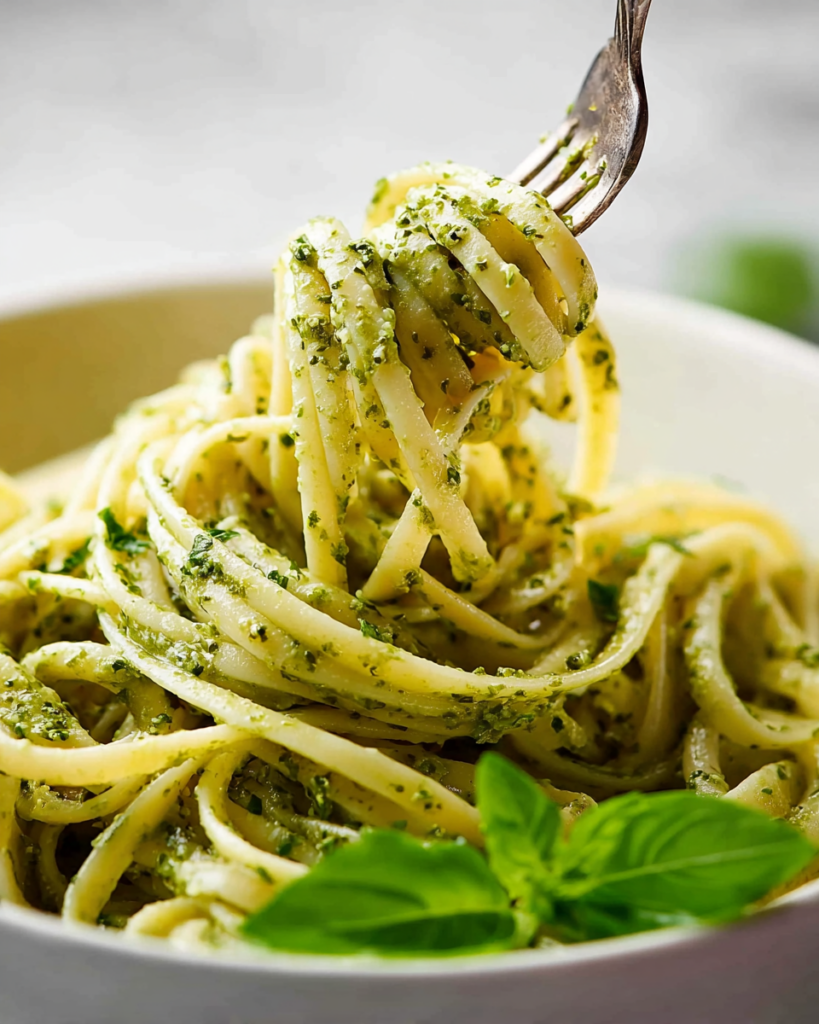
This is the kind of pasta you make when you want something homemade and satisfying, but you do not want to spend all evening at the stove. The sauce comes together fast, and the finished dish tastes far more layered than its short ingredient list suggests.
The basil and garlic bring that classic pesto character, while the cashews give the sauce a softer, mellow richness. Lemon juice keeps everything tasting fresh, and good olive oil helps the whole dish cling beautifully to the noodles.
It also works well for real life. You can serve it straight from the pot for a quick dinner, plate it up for guests, or pair it with a simple side and call it done. It is uncomplicated, dependable, and exactly the sort of meal you will be glad to keep in rotation.
Serving Ideas for Basil Pesto Linguine
Because this pasta is vibrant and herb-forward, it pairs best with simple sides that do not compete with the pesto. A crisp green salad with a light lemon vinaigrette is a natural match, especially if you want to keep the meal feeling fresh and balanced.
Warm bread also works beautifully here. Something crusty on the side gives you a way to catch any extra pesto left in the bowl, which is never a bad thing. If you are serving this for dinner, that small addition can make the meal feel a little more complete.
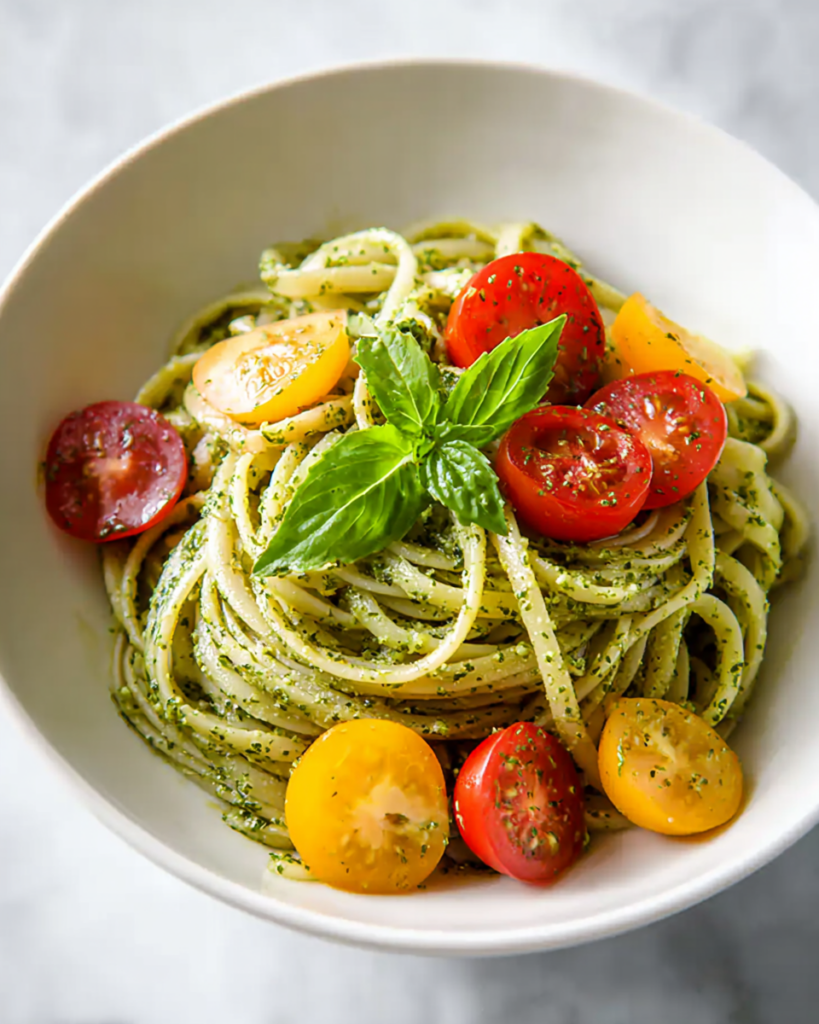
For a little color and contrast, roasted or blistered tomatoes fit especially well. Their sweetness plays nicely with the basil, garlic, and lemon, and they add a juicy bite that makes the pasta feel even more inviting.
What You Need to Make This Basil Pesto Linguine
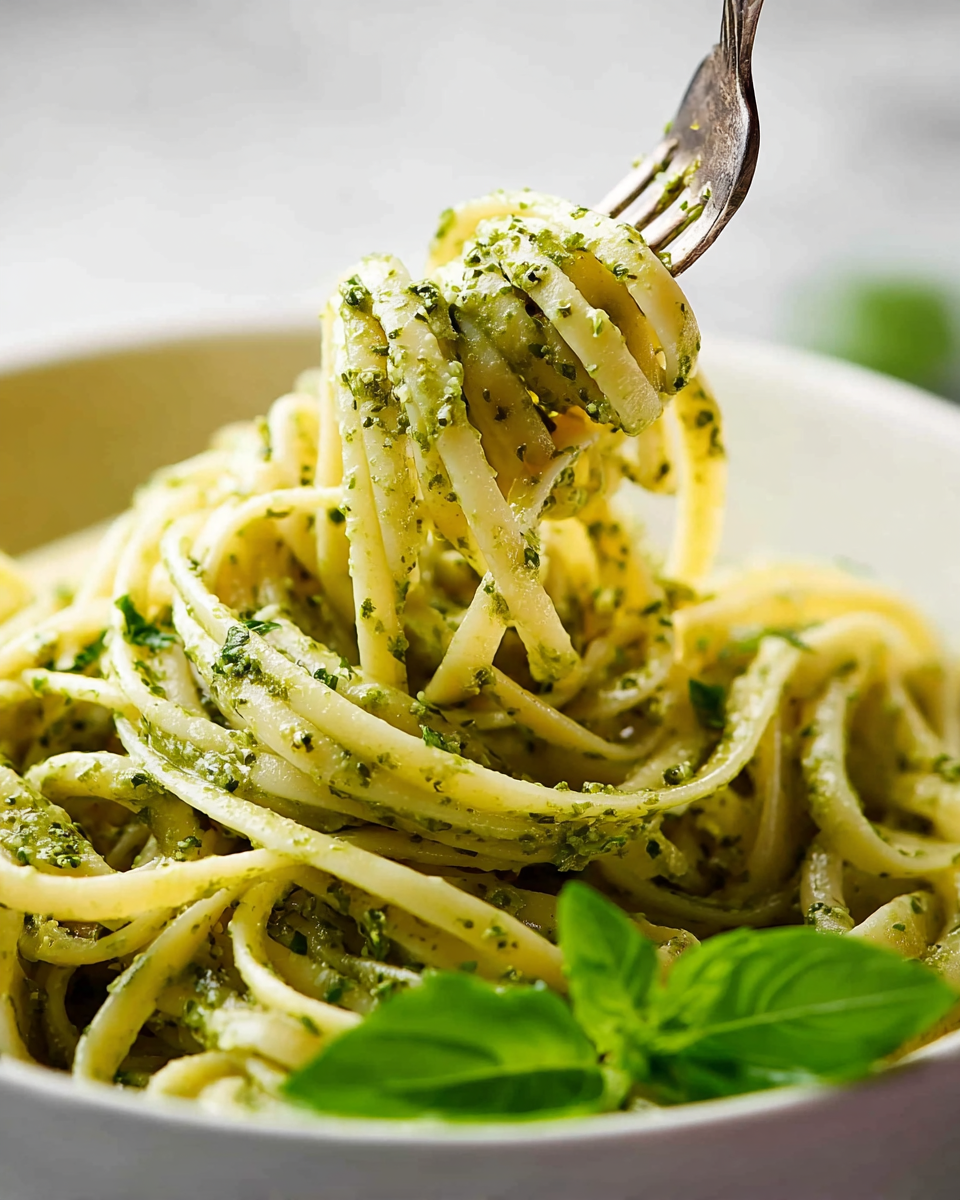
Linguine gives the dish a silky, twirl-friendly base that holds the pesto well without feeling too heavy.
Fresh basil leaves are the heart of the sauce, bringing that unmistakable fragrant, green flavor that makes pesto so appealing.
Raw unsalted cashews create a smooth, creamy body with a mild nutty taste that lets the basil stay front and center.
Extra-virgin olive oil helps the pesto blend into a spoonable sauce and gives it richness and shine.
Fresh lemon juice brightens the whole dish and keeps the pesto from tasting flat or overly rich.
Garlic adds sharp, savory depth and gives the sauce its signature punch.
Salt is essential for bringing the basil and nuts into focus, especially in such a short ingredient list.
Black pepper finishes the pesto with a gentle warmth that rounds everything out.
How to Make This Basil Pesto Linguine
STEP 1: Bring a large pot of well-salted water to a boil and cook the linguine until it is just al dente. You want the noodles tender but still slightly firm so they can hold up once tossed with the sauce.
STEP 2: While the pasta cooks, pulse the cashews in a food processor or blender until they are finely broken down. This gives the pesto a creamy texture without turning it into something overly dense.
STEP 3: Add the basil, garlic, olive oil, lemon juice, salt, and black pepper. Blend just until the mixture comes together into a smooth but lightly textured sauce. It should look lush and spoonable, not completely puréed into a flat paste.
STEP 4: Taste the pesto before tossing it with the pasta. This is the moment to adjust the seasoning, especially the salt or lemon, so the finished dish tastes lively and balanced.
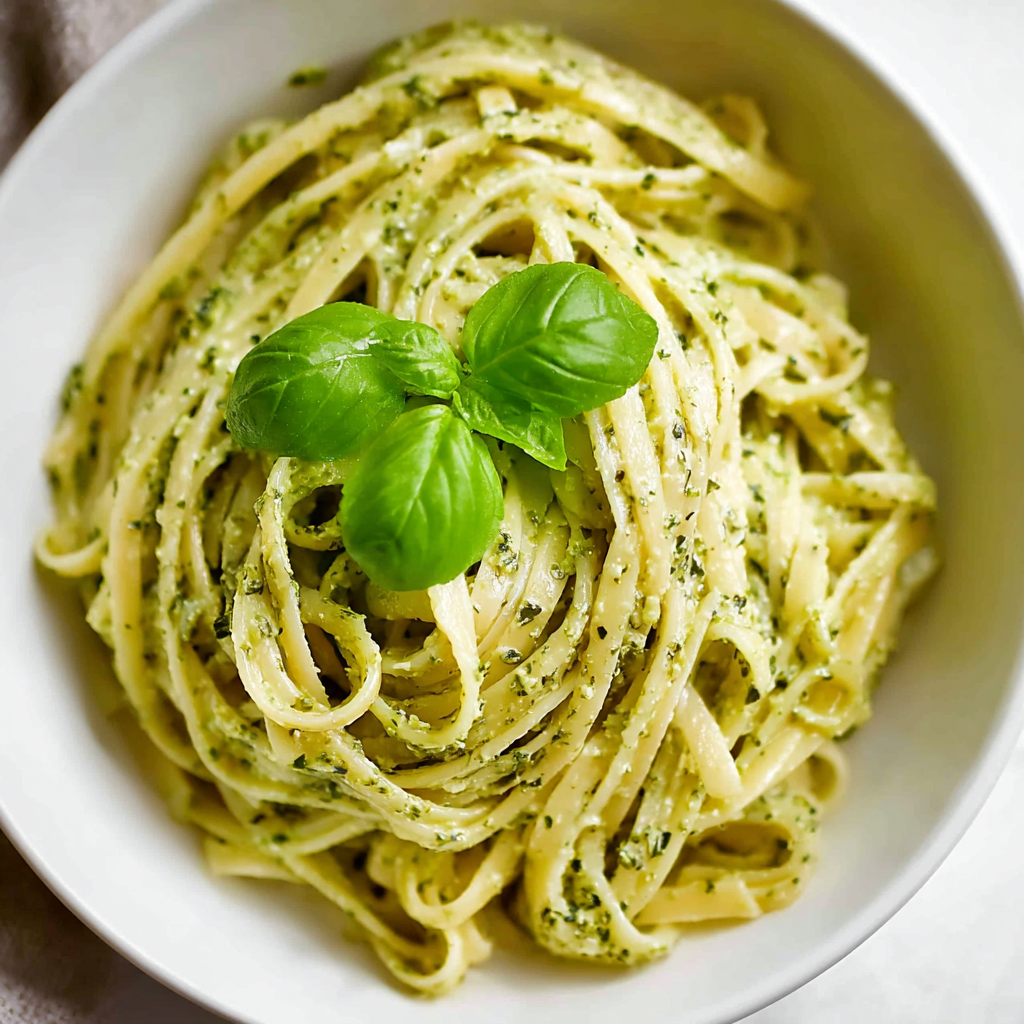
STEP 5: Drain the cooked linguine and return it to the warm pot. Add the pesto and toss thoroughly so every strand gets coated. The residual heat from the pasta will help the sauce loosen slightly and settle into the noodles.
STEP 6: Serve the pasta right away while it is glossy and fragrant. A few extra basil leaves on top make it look fresh from the start, and a handful of tomatoes on the side fits naturally with the flavors already in the bowl.
Can I make the pesto ahead of time?
Yes, and it is a great way to make dinner even faster. Prepare the pesto a few hours ahead, refrigerate it in a sealed container, and give it a stir before tossing it with freshly cooked linguine. The flavor stays bright, and the sauce is ready when you are.
Helpful Tips
- Blend the pesto just until combined. Overprocessing can warm the basil and dull that fresh flavor.
- Save a small splash of pasta water before draining in case you want to loosen the sauce slightly when tossing.
- Taste after mixing the pasta and pesto together, not just before. The noodles can soften the seasoning, so a final pinch of salt may help.
How do I keep pesto from turning too thick?
The easiest fix is a little reserved pasta water or a small drizzle of olive oil added while tossing. You want the sauce to coat the linguine smoothly, not sit in heavy clumps. Warm pasta naturally helps loosen it as well.
Storage & Reheating
This pasta is at its absolute best right after mixing, when the basil smells freshest and the sauce looks brightest. Still, leftovers can be kept in the refrigerator for up to 3 days in an airtight container.
For reheating, go gently. A skillet over low heat works better than high microwave heat because pesto can lose some of its freshness if overheated. Add a splash of water or a little olive oil before warming so the sauce relaxes and coats the pasta again instead of drying out.
Freezing the finished pasta is usually not ideal because the texture of the noodles can soften too much once thawed. If you want to freeze something, freeze the pesto on its own in a small sealed container, then thaw it in the refrigerator and toss with fresh pasta later.
Can I use another nut instead of cashews?
Yes. Pine nuts, walnuts, or even almonds can work, though each one changes the flavor and texture a little. Cashews are especially nice here because they keep the pesto creamy and mellow, which lets the basil stay the star.
Do I need cheese in this pesto?
Not for this version. The cashews and olive oil give the sauce enough body and richness on their own, so the result still feels full and satisfying. That makes this recipe especially handy when you want a simple pantry-style pesto without adding extra ingredients.
What makes this dish so appealing is how little it needs to succeed. There is no long simmer, no complicated layering, and no extra finishing step beyond tossing the pasta with the sauce. Yet the bowl feels complete, with herbal freshness, nutty depth, and just enough lemon to keep every bite lively.
It is also a very forgiving dinner. Once you understand the texture you want in the pesto and remember to season in layers, the recipe becomes the sort of thing you can make almost from memory. That is often what turns a good pasta into a repeat favorite.
Whether you serve it as a quick solo lunch, a family dinner, or part of a relaxed weekend meal, this linguine brings plenty of flavor without extra fuss. That balance of ease and freshness is exactly why it deserves a place in your regular pasta lineup.
Basil Pesto Linguine
Ingredients
- 12 ounces linguine
- 2 cups tightly packed fresh basil leaves
- 3/4 cup raw unsalted cashews
- 1/2 cup extra-virgin olive oil
- 1 tablespoon freshly squeezed lemon juice
- 2 to 3 garlic cloves minced
- 1 1/2 to 2 teaspoons salt
- 1/4 teaspoon black pepper
Instructions
- Bring a large pot of salted water to a full boil. Add the linguine and cook according to the package directions until al dente, generally 7 to 10 minutes. Drain the pasta, then return it to the pot so it stays warm.
- While the pasta cooks, place the cashews in a food processor or blender and pulse until finely ground.
- Add the basil leaves, minced garlic, olive oil, lemon juice, salt, and black pepper to the processor. Blend until the mixture is well combined while still retaining a lightly textured consistency.
- If preparing the pesto in a blender, the sauce may turn out smoother and more paste-like. Taste and adjust the seasoning as needed.
- Transfer the prepared cashew pesto to the warm linguine in the pot. Toss thoroughly until the pasta is evenly coated.
- Serve immediately once the linguine is fully dressed with the pesto. Garnish with extra basil leaves or cherry tomatoes, if desired.
Notes
Raw, unsalted cashews provide the best overall taste.
A good-quality extra-virgin olive oil will noticeably enhance the finished dish.