Crockpot Prime Rib Roast delivers a tender, richly seasoned centerpiece with simple prep, make-ahead convenience, and gentle hands-off cooking. The garlic, rosemary, butter, and cracked pepper give every slice deep savory flavor without a complicated method.
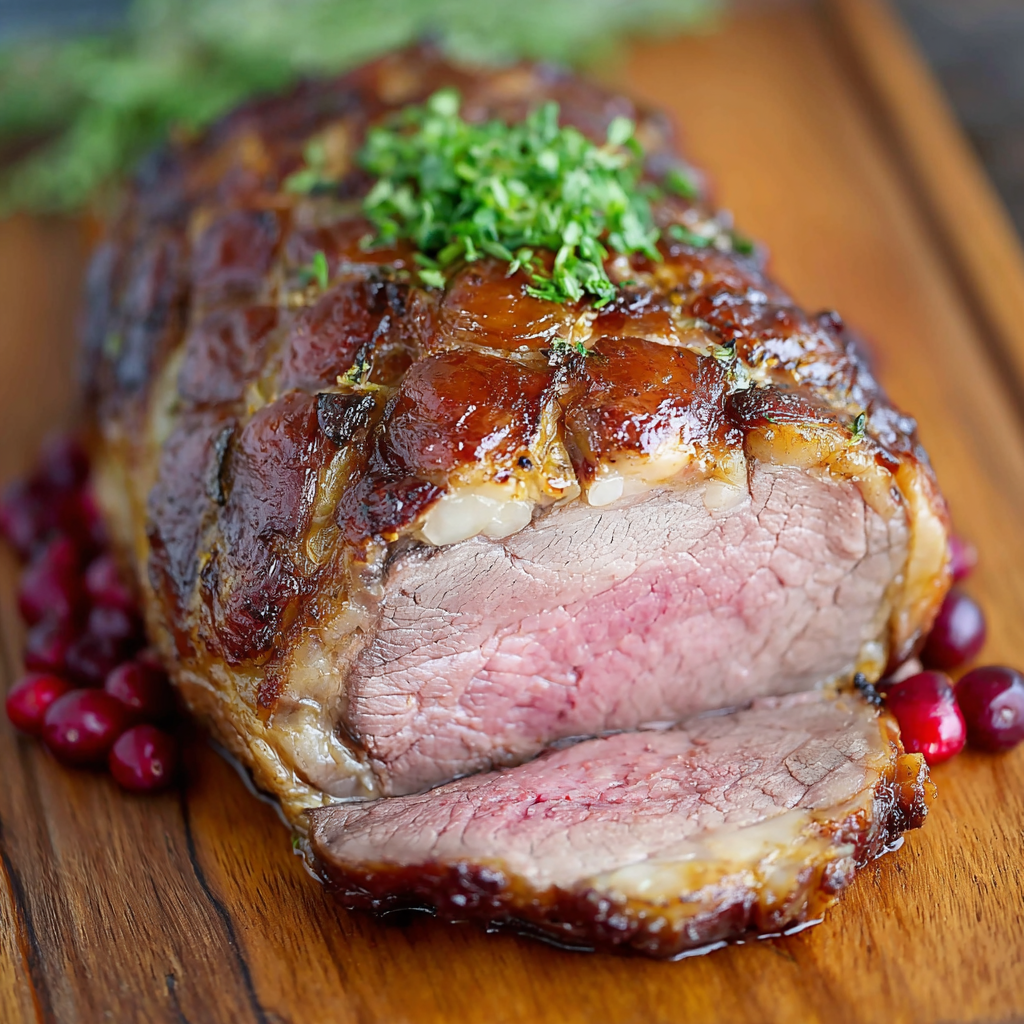
This is the kind of main dish that works beautifully when you want something impressive but still manageable in a real home kitchen. Most of the effort happens before cooking, which makes the actual dinner window feel much easier.
The long seasoning rest does a lot of the heavy lifting here. Salt and pepper have time to work into the meat, the sear builds extra flavor, and the butter-herb topping keeps the roast fragrant and full of richness as it cooks.
I also love this approach for holiday meals or weekend gatherings because it frees up oven space. Once the roast is in the crockpot, you can focus on your sides, table, or simply enjoy a less rushed cooking day.
What You Need to Make This Prime Rib Roast
Boneless prime rib roast brings the rich, beefy flavor and tender texture that make this dish feel special. A well-marbled roast will give you the juiciest result.
Unsalted butter helps carry the garlic and rosemary over the surface of the meat while adding richness as the roast cooks low and slow.
Garlic gives the roast a deep savory backbone. Minced garlic spreads more evenly over the top and perfumes the meat nicely.
Fresh rosemary adds a woodsy, classic flavor that pairs naturally with beef and butter without overpowering the roast.
Coarse kosher salt seasons the meat thoroughly and supports that dry-brined effect during the long chill in the refrigerator.
Cracked black pepper adds a warm, subtle bite and gives the outer layer a little extra character after searing.
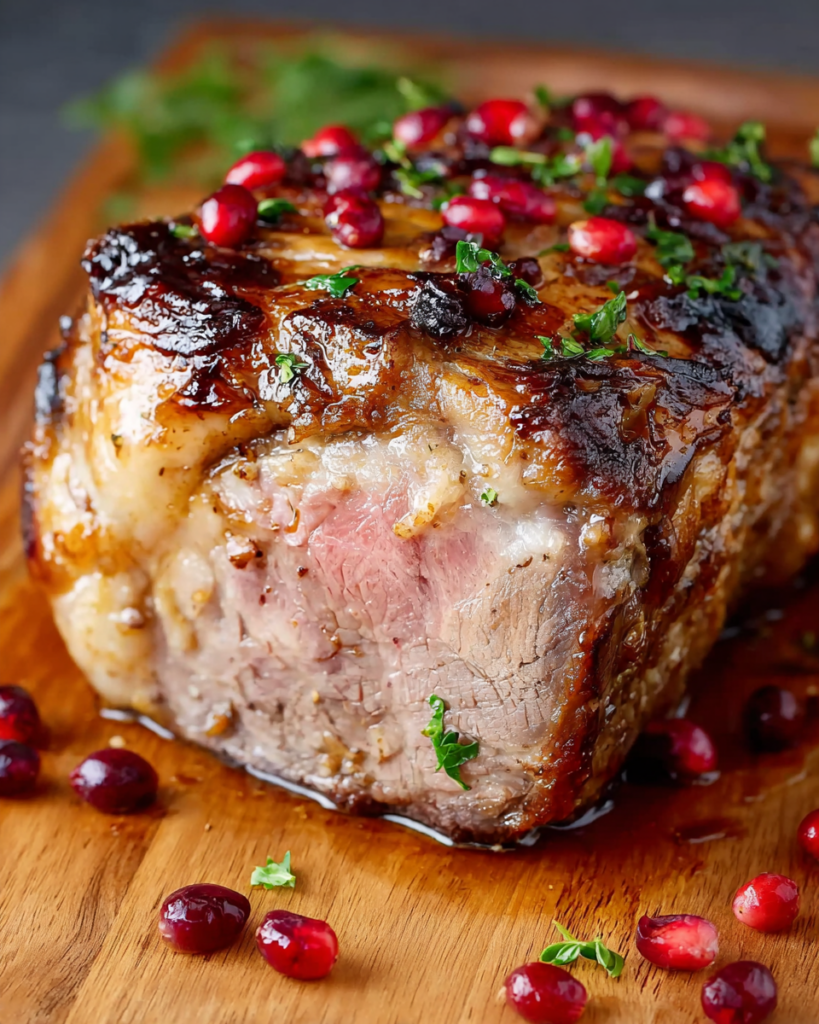
Cooking Steps
STEP 1: Start by scoring the fat cap in a crisscross pattern. This simple step helps the seasoning settle into the surface and encourages the fat to render more evenly while the roast cooks.
STEP 2: Season the entire roast generously with kosher salt and cracked black pepper, then refrigerate it for 12 to 24 hours. That resting time helps the meat develop fuller flavor before it ever reaches the heat.
STEP 3: Take the roast out of the refrigerator about an hour before cooking. Letting it lose some of its chill supports more even cooking from edge to center.
STEP 4: Sear the roast in a hot skillet until the outside is browned on all sides. You are not cooking it through here, just building a darker, deeper layer of flavor on the exterior.
STEP 5: Place the roast into the slow cooker with the fat side facing up. Stir together the softened butter, minced garlic, and chopped rosemary, then spread that mixture over the top so it can slowly flavor the meat as it cooks.
STEP 6: Cover and cook on low until the roast reaches your preferred doneness. For a medium result, check for an internal temperature around 140°F, which usually takes about 3 1/2 to 4 hours depending on the size and shape of the roast.
STEP 7: Transfer the finished roast to a board or platter and tent it loosely with foil. Resting it for at least 20 minutes, and up to an hour, gives the juices time to settle so the slices stay more tender and succulent.
Can I season the roast the night before?
Yes, and this recipe is especially well suited for that. The overnight chill gives the salt and pepper time to work into the surface, which makes the beef taste more deeply seasoned and helps the roast feel more special with very little extra effort.
Do I really need to sear prime rib first?
It is worth doing here. Searing does not replace the slow cooker, but it adds the browned, savory flavor that a low-moist heat method cannot create on its own. That extra step gives the finished roast a fuller, more developed taste.
How do I know when the roast is done?
A meat thermometer is the most reliable way to check. Because slow cookers can vary, time alone is not enough for a roast this important. Start checking before the expected finish time and pull it when it reaches the doneness you want.
Can I make this for a holiday meal?
Absolutely. It is a smart choice when your oven is busy with side dishes or desserts. Since the roast rests after cooking, you also get a little flexibility at serving time, which is always helpful when you are feeding guests.
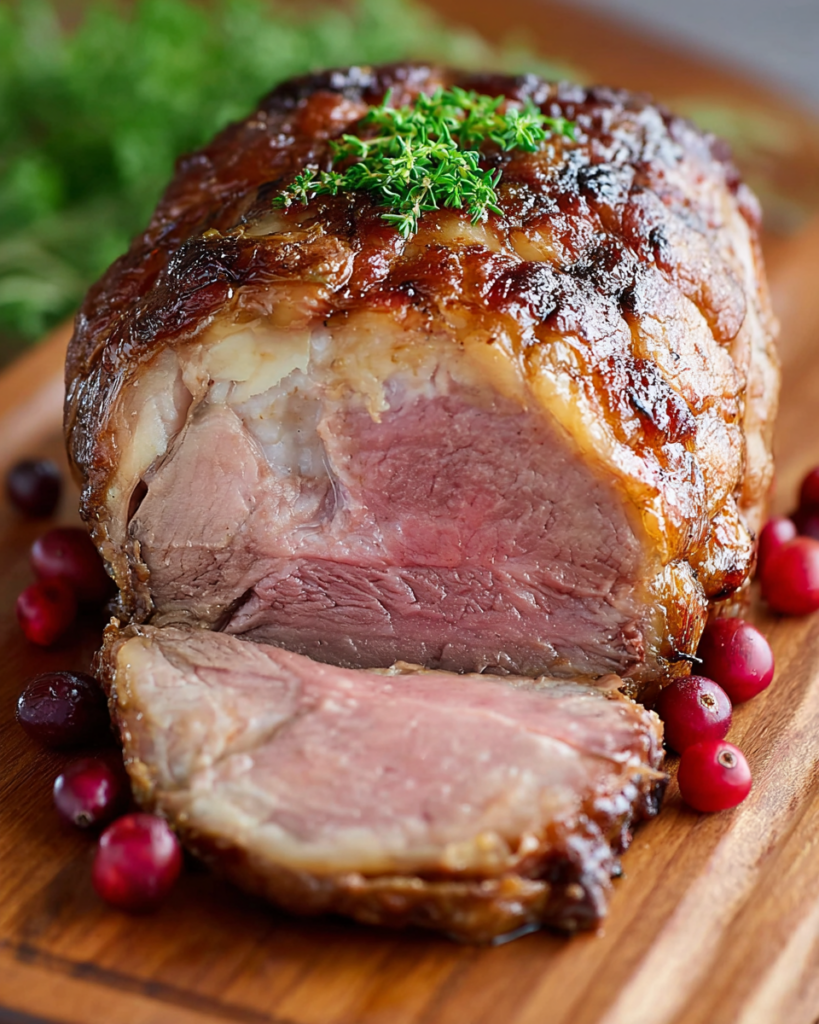
Perfect Pairings
Creamy mashed potatoes are a natural match for the rich slices of beef. They catch the flavorful juices beautifully and keep the plate classic and comforting.
Roasted green beans or asparagus bring a fresh contrast that balances the buttery, savory roast. A simple vegetable side keeps the meal elegant without competing with the main dish.
A prepared horseradish sauce works especially well if you want something cool, creamy, and sharp beside the beef. That contrast can brighten each bite and make the roast feel even more dinner-party ready.
Helpful Tips
- Let the roast rest on the counter before cooking so it heats more evenly and does not go straight from very cold to slow heat.
- Spread the garlic-rosemary butter over the top after searing so those flavors stay fragrant and cling well to the roast.
- Begin checking the internal temperature early rather than late, especially with smaller roasts or hotter-running slow cookers.
How to Store & Reheat
Store leftover prime rib in an airtight container in the refrigerator for up to 3 to 4 days. If you have larger slices, keep them in bigger pieces rather than chopping them right away, since that helps the meat stay juicier.
For longer storage, freeze the cooled meat for up to 2 to 3 months. Wrap it well or place it in a freezer-safe container with as little extra air as possible to protect the texture.
To reheat, warm the slices gently rather than aggressively. A low oven covered with foil works well, especially with a small splash of broth or accumulated juices to keep the meat from drying out. You can also reheat individual portions in a skillet over low heat for a shorter time. Avoid high heat, which can push the roast past its ideal doneness and make it firmer than you want.
Crockpot Prime Rib Roast
Ingredients
- 6 to 8 pounds boneless prime rib roast preferably well marbled
- 1/3 cup unsalted butter softened to room temperature
- 8 garlic cloves minced
- 1 tablespoon fresh rosemary finely chopped
- 1 to 2 tablespoons coarse kosher salt such as Morton Coarse Kosher Salt
- 2 teaspoons cracked black pepper
Instructions
- Score the fat cap on the top of the roast by making diagonal cuts across the surface. Turn the roast and cut diagonally in the opposite direction to form a diamond pattern. This helps the seasoning reach deeper into the meat and encourages the fat to render more evenly during cooking.
- Rub the entire roast generously with the kosher salt and cracked black pepper. Transfer it to the refrigerator and let it chill for 12 to 24 hours so the seasoning has time to absorb thoroughly.
- Take the roast out of the refrigerator and leave it on the counter for about 1 hour. Allowing it to lose some of its chill promotes more even cooking.
- Set a skillet over medium-high heat. When the pan is hot, sear the roast on all sides until browned. This step creates a deeper, more developed flavor.
- Place the seared roast into the slow cooker with the fat side facing upward. In a small bowl, combine the softened butter, minced garlic, and chopped rosemary, then spread the mixture over the top of the meat. Cover and cook on low for 3 to 5 hours, or until the roast reaches your preferred internal temperature. For medium doneness, cook to about 140°F, which generally takes approximately 3 1/2 to 4 hours.
- Remove the roast from the slow cooker and loosely tent it with foil. Let it rest for 20 minutes to 1 hour before slicing. This resting period allows the juices to settle back into the meat for a more tender and succulent result.