Halibut Cheeks make a quick, elegant seafood dinner with tender texture, bright lemony flavor, and a light wine-tomato sauce that feels fresh, reliable, and dinner-party worthy without being fussy.
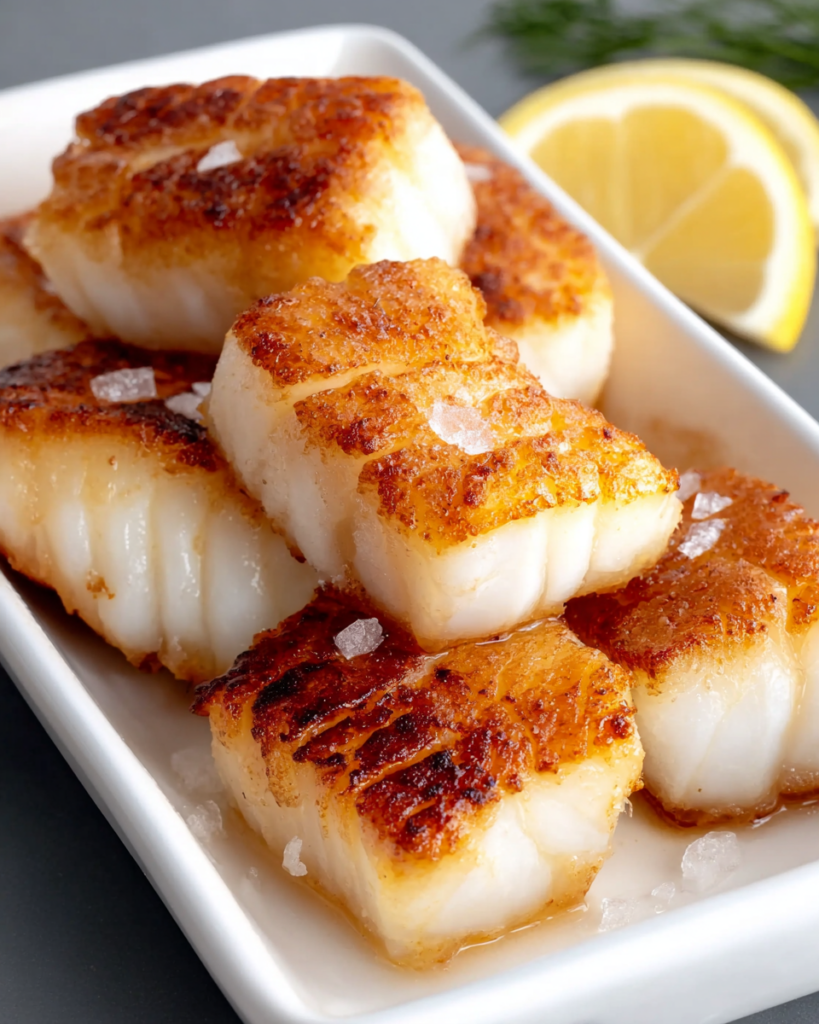
This is the kind of seafood dish that looks special on the plate but fits easily into a real weeknight. The fish cooks fast, the sauce comes together in one small pan, and the whole meal keeps a clean, balanced feel.
What makes this one work so well is the contrast. You get lightly browned halibut with a delicate, almost buttery bite, then a punch of acidity from lemon and white wine, plus sweet tomatoes and soft shallots to round everything out.
It is also a smart choice when you want something that feels lighter than a cream sauce but still full of flavor. The sauce does not smother the fish. It simply gives the halibut cheeks a bright, glossy finish that lets their texture stay front and center.
Ingredients
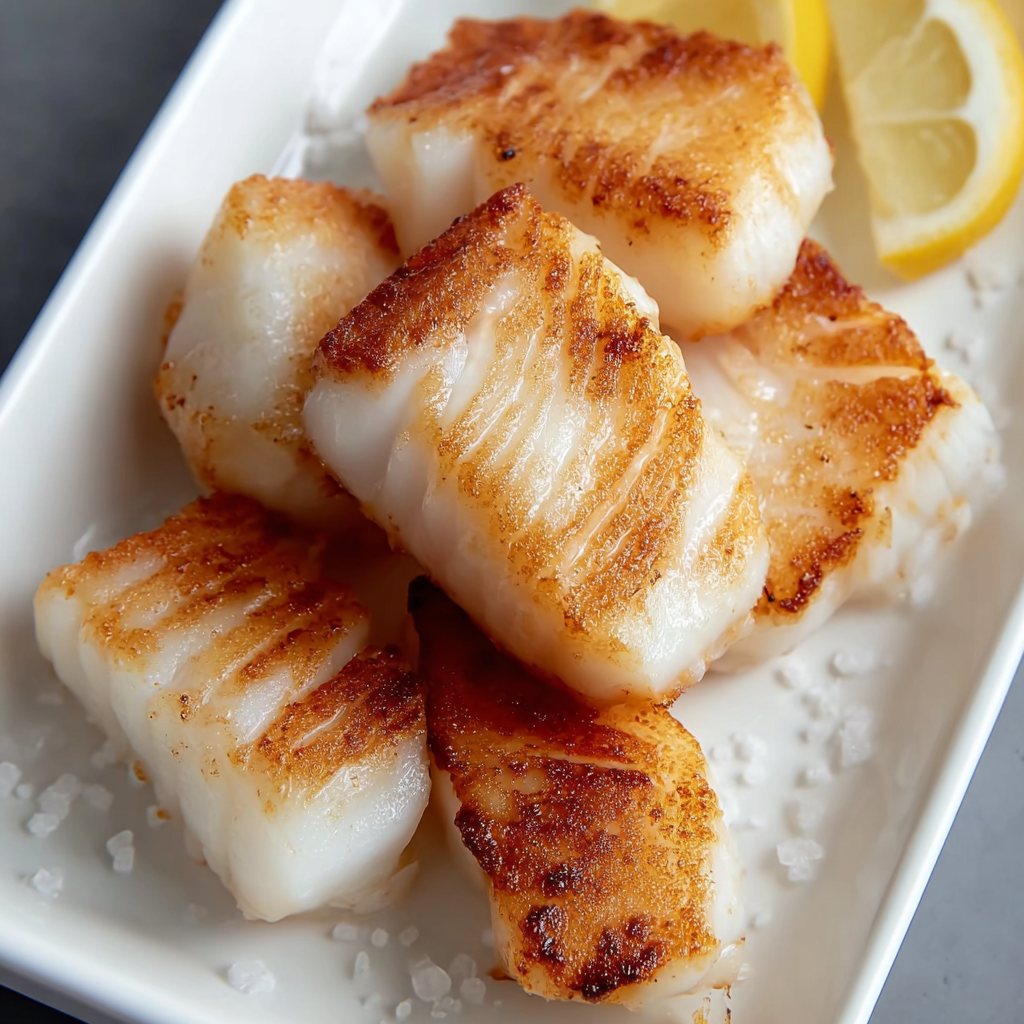
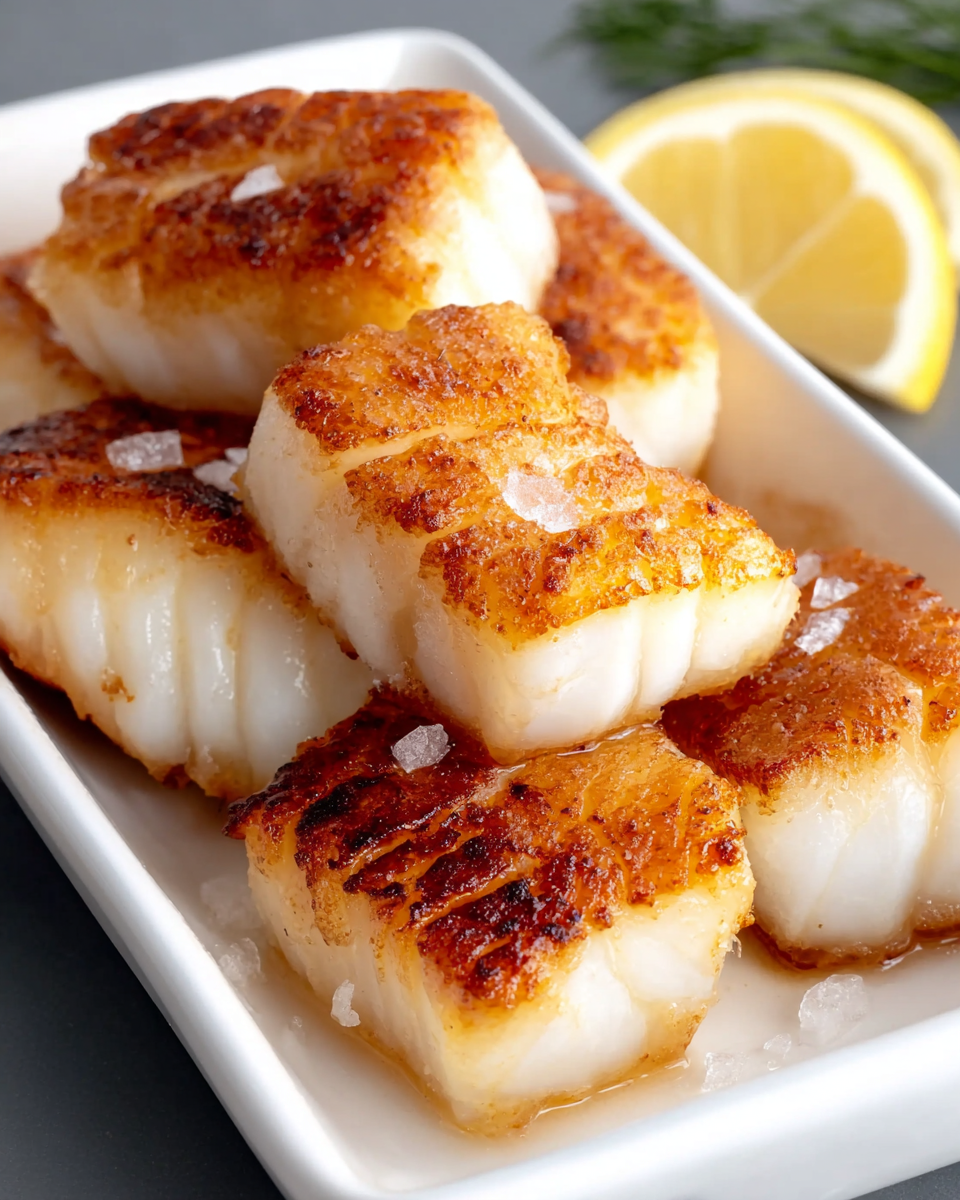
Halibut cheeks bring the star texture here, with a tender, delicate bite that stays especially moist when cooked just until browned on both sides.
Olive oil is used in both parts of the dish, helping the fish sear nicely while also giving the sauce a smooth, mellow base.
Salt and black pepper keep the seasoning simple and focused, which suits a gentle fish like halibut and lets the lemon and wine stand out.
Shallots add a softer, slightly sweeter allium flavor than onion, which works beautifully in a quick pan sauce.
Garlic gives the sauce depth and aroma without overpowering the fish, especially when it is freshly minced.
Dried herbs add a quiet savory note that ties the wine, lemon, and tomatoes together in the background.
White wine forms the backbone of the sauce, reducing down into something more concentrated and lightly acidic.
Lemon juice brightens the whole dish and keeps the sauce lively rather than heavy.
Lemon zest is the finishing touch that sharpens the citrus flavor right before serving.
Cherry tomatoes bring sweetness, color, and a soft burst of juiciness that balances the sharper notes in the sauce.
Cooking Steps
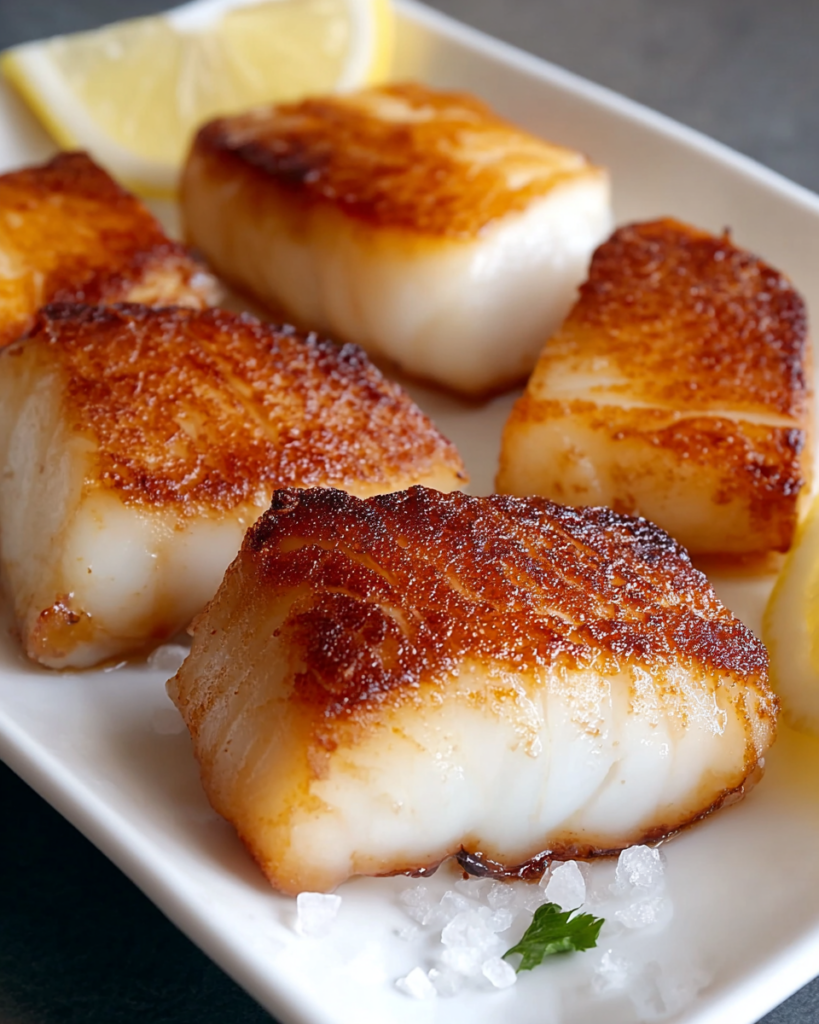
STEP 1: Start by patting the halibut cheeks very dry, then season them well on both sides with salt and black pepper. A dry surface helps the fish brown instead of steam, which is especially important with such tender pieces.
STEP 2: Heat olive oil in a large sauté pan over medium heat. Once the oil is hot, cook the halibut cheeks in batches so they have space in the pan. Sear them until lightly golden on the first side, then turn and finish the second side until browned and just cooked through.
STEP 3: Transfer the cooked halibut cheeks to a plate while you build the sauce. This short rest keeps them from overcooking and gives you time to finish the more flavorful part of the dish.
STEP 4: In a small saucepan, warm olive oil and cook the diced shallots with the minced garlic until softened and fragrant. You want them tender and aromatic, not dark or crisp, so keep the heat moderate.
STEP 5: Stir in the dried herbs, then add the white wine and lemon juice. Let the liquid simmer steadily until it reduces by about half. This step concentrates the flavor and removes the raw edge from the wine.
STEP 6: Add the halved cherry tomatoes and cook only until they begin to soften and release a little juice. Season the sauce to taste, then spoon it over the halibut cheeks or serve it alongside. Finish with fresh lemon zest right before the plate goes out.
Can I use another fish if I cannot find halibut cheeks?
Yes, but the final texture will be different. Halibut cheeks are especially tender and compact, so small pieces of halibut fillet or another firm white fish can work in a pinch, though they will not have quite the same delicate bite.
How do I know when the halibut cheeks are done?
They should look opaque throughout and feel lightly firm when pressed, with a gentle flake rather than a dry, rigid texture. Because they are small, they cook quickly, so it is better to pull them a touch early than leave them in the pan too long.
Can I make the sauce ahead of time?
Yes. The lemon-wine tomato sauce can be made a little ahead and reheated gently before serving. For the best texture, cook the halibut cheeks fresh and combine everything at the end so the fish stays tender and the sauce stays bright.
What wine works best in the sauce?
A dry white wine is the best fit here. Choose something crisp and not sweet, so the sauce tastes fresh and clean rather than heavy. Since it reduces, a balanced wine will give you the most polished final flavor.
Do I need to peel the tomatoes?
No. Cherry tomatoes soften quickly and their skins stay pleasant in a fast sauce like this. They help the dish keep a fresh, rustic look, which suits the simple seared fish beautifully.
Perfect Pairings
A spoonful of fluffy rice works very well here because it catches every drop of the lemony sauce without distracting from the fish. It turns the dish into a fuller dinner while still keeping the plate light.
Roasted baby potatoes are another strong option if you want something a little heartier. Their crisp edges and soft centers give you a nice contrast with the silky sauce and delicate halibut.
For a fresher plate, serve the fish with simple sautéed green beans or asparagus. A clean vegetable side keeps the meal bright and lets the wine, tomato, and lemon flavors stay the focus.
Helpful Tips
- Keep the pan from getting crowded so the halibut cheeks sear properly and develop light color instead of releasing too much moisture.
- Reduce the wine and lemon mixture enough to concentrate the flavor, but do not cook the tomatoes so long that they collapse completely.
- Add the lemon zest at the very end for the freshest citrus aroma and the most vibrant finish.
Keeping Leftovers Fresh
This dish is at its absolute best right after cooking, when the halibut cheeks are still tender and the sauce tastes brightest. If you do have leftovers, store the fish and sauce together in an airtight container in the refrigerator and use them within 1 to 2 days.
For reheating, go gently. A small skillet over low heat is better than aggressive microwave reheating, which can make the fish tighten up and lose its delicate texture. Add a tiny splash of water or a little extra lemon if the sauce feels too concentrated after chilling.
Freezing is not the best choice for this one. The fish is so tender and the tomato sauce so fresh that the texture tends to lose its appeal after thawing. This is much more of a cook-now, enjoy-soon kind of seafood dinner.
Halibut Cheeks Option
Ingredients
For the sauce:
- 1 cup white wine
- 2 medium shallots finely diced
- 2 tablespoons olive oil
- 1 pint cherry tomatoes halved
- 1/2 teaspoon dried herbs such as Italian seasoning blend
- 2 garlic cloves freshly minced
- Salt to taste
- Black pepper to taste
- 1/2 cup freshly squeezed lemon juice
- Zest of 1 lemon
For the halibut cheeks:
- 1 pound halibut cheeks
- 2 tablespoons olive oil
- Salt to taste
- Black pepper to taste
Instructions
- Pat the halibut cheeks dry with paper towels and arrange them in a single layer on a clean work surface. Season both sides evenly with salt and black pepper.
- Warm 2 tablespoons of olive oil in a large sauté pan over medium heat. When the oil is hot, place several halibut cheeks in the pan, cooking in batches so the pan is not overcrowded.
- Sear the halibut cheeks until golden on the first side, then turn and cook the second side until browned as well, about 3 to 4 minutes per side. Transfer the cooked fish from the pan and set aside.
- While the halibut cooks, heat 1 tablespoon of olive oil in a small saucepan over medium heat. Add the diced shallots and minced garlic, then cook for about 2 minutes, until softened and aromatic.
- Stir the dried herbs into the shallot and garlic mixture and cook for 1 minute. Add the lemon juice and white wine, then simmer until the liquid has reduced by roughly half.
- Add the halved cherry tomatoes to the reduced sauce and cook only until they begin to soften. Season with salt and black pepper to taste.
- Remove the sauce from the heat. Serve the halibut cheeks with the sauce alongside or spooned over the top, then finish with fresh lemon zest.