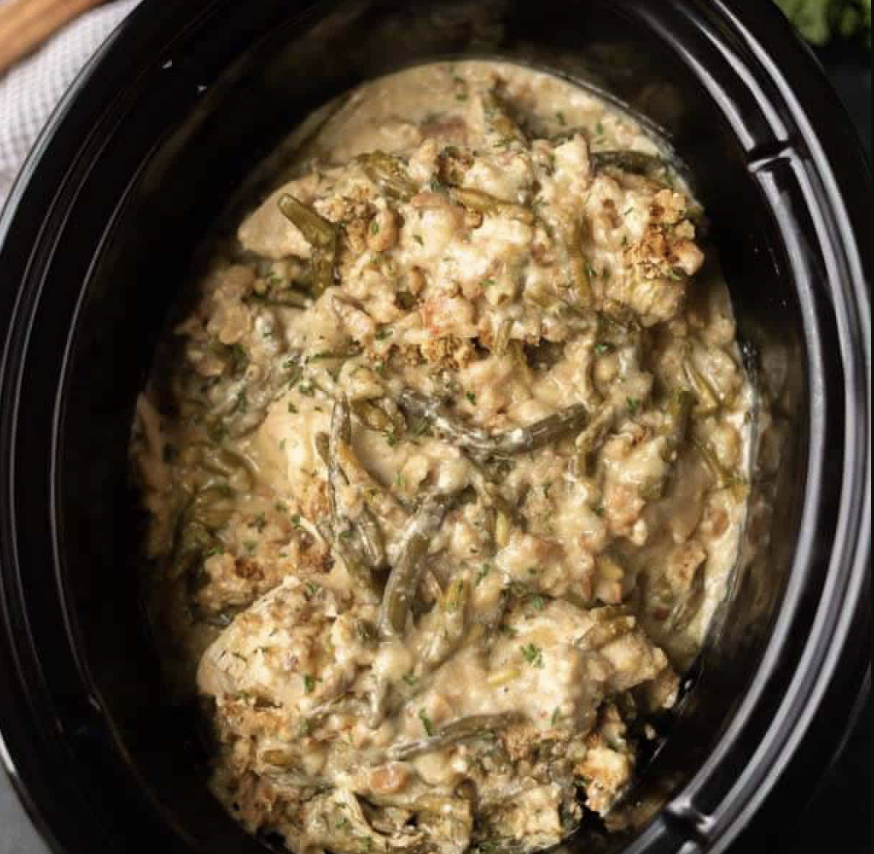
Halibut Jerky Recipe is a bold, make-ahead snack with bright citrus flavor, gentle heat, and a satisfyingly chewy texture. It is a great choice when you want something savory, portable, and a little different from the usual homemade jerky.

This is the kind of recipe that feels especially rewarding if you enjoy kitchen projects with a strong payoff. The prep is simple, the marinade does the flavor work for you, and the dehydrator turns fresh fish into a deeply seasoned snack with real character.
The combination here works beautifully because it balances freshness and depth. Orange juice keeps the marinade lively, while soy sauce, onion, garlic, and ginger bring in that savory edge that makes each strip taste full and well-rounded.
It is also a practical batch to make when you want something ready for road trips, lunch boxes, or quick snacking at home. Once the drying is done, you have a flavorful homemade bite that feels special without needing a long list of complicated ingredients.
Halibut Jerky Ingredients
Halibut is the star here, and its firm texture makes it a strong choice for jerky since it holds up well during marinating and long drying.
Onion adds mellow sweetness and a savory background note that helps the marinade taste more complete.
Garlic gives the fish a rich, punchy depth that stands up well after hours in the dehydrator.
Jalapeño brings a fresh, green warmth that keeps the flavor lively without taking over the whole batch.
Fresh ginger adds brightness and a subtle zip that works especially well with citrus and soy.
Orange juice gives this jerky its fresh, citrus-forward profile and helps lighten the overall flavor.
Granulated sugar smooths out the sharper salty and spicy notes, giving the marinade a more balanced finish.
Salt seasons the fish and helps build that concentrated jerky flavor.
Soy sauce adds a little umami and rounds out the marinade with a deeper savory note.
Black pepper brings a mild warmth that ties together the citrus, ginger, and jalapeño.
How to Make This Halibut Jerky
STEP 1: Stir together the sliced onion, garlic, jalapeño, ginger, orange juice, sugar, salt, soy sauce, and black pepper in a container. Letting the mixture sit briefly before adding the fish helps the flavors settle and blend into a more rounded marinade.
STEP 2: Add the halibut strips and turn them carefully so they are fully coated. Cover the container and chill it in the refrigerator for at least an hour, giving the fish time to absorb the citrusy, savory flavor.
STEP 3: Lift the strips out of the marinade and separate them gently. You want the pieces to be easy to place on the dehydrator trays without sticking together or carrying too much excess liquid.
STEP 4: Arrange the halibut in a single layer on the dehydrator trays, leaving space between the strips. Good airflow is what helps the fish dry evenly and develop that proper jerky texture instead of soft patches.
STEP 5: Dehydrate at 145°F to 155°F until the strips are dry, cured, and firm. The exact time can vary a little depending on strip thickness, but the fish should no longer feel wet or tacky when finished.
STEP 6: Let the jerky cool completely before storing it. This small step matters because warm jerky can create trapped moisture in the container, which can affect both texture and keeping quality.
Pro Tips for Halibut Jerky
- Slice the fish as evenly as possible so the strips finish drying at about the same time.
- Pat the halibut dry before marinating if it seems especially wet, which helps the marinade cling better.
- Check the trays near the end of drying and remove finished pieces first if some strips are thinner than others.
Can I make halibut jerky less spicy?
Yes, very easily. The jalapeño in this version gives more of a gentle warmth than a sharp burn, but you can reduce it for an even milder batch. You can also keep the ginger and garlic as they are so the jerky still tastes bright and flavorful.
What to Serve with Halibut Jerky
A few simple sides can turn this from a snack into a small, satisfying plate. Cucumber slices or crisp raw vegetables pair nicely because they bring freshness against the chewy, salty fish.
Plain rice or sticky rice also works well if you want something more filling. The jerky has concentrated flavor, so a simple base keeps everything balanced and lets the fish stay the focus.
For a snack-board style serving idea, pair it with nuts and a little dried fruit. That sweet-salty contrast plays especially well with the orange juice and soy sauce in the marinade.
How do I know when the jerky is done?
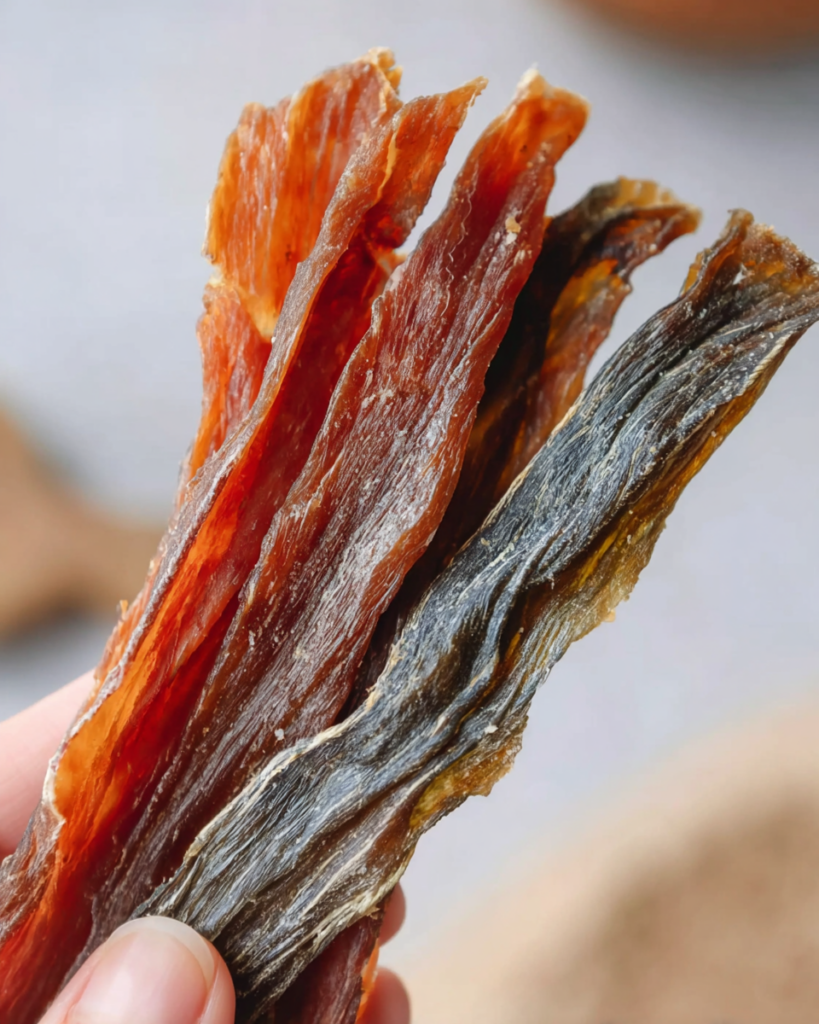
The finished strips should feel dry and firm with a chewy bite. They should not seem glossy, damp, or sticky on the surface. If a piece still feels soft in a wet way rather than a chewy way, it likely needs more time in the dehydrator.

Can I use another fish instead of halibut?
You can use another firm fish, but halibut is a particularly nice choice because it has a meaty texture that handles slicing, marinating, and drying very well. If you switch fish, choose one that is sturdy and not too delicate, or the finished texture may not be as satisfying.
Keeping Leftovers Fresh
Store the cooled jerky in a clean airtight glass container in a cool, dry place. The fish should be fully dried before storing, since leftover moisture can shorten its storage life and change the texture.
For longer freshness, the refrigerator is a smart option, especially if your kitchen tends to be warm or humid. Keeping homemade fish jerky cool helps it stay in better condition and gives you a little more peace of mind.
If you notice condensation inside the jar, the jerky likely needed more drying time before storage. In that case, it is better to use it quickly rather than leave it tucked away.
Freezing is also an option for longer keeping. Just pack the jerky well, thaw what you need, and let it come fully back to room temperature before opening the container so moisture does not collect on the fish.
Can I make this ahead of time for trips or snacks?
Yes, this is a very good make-ahead recipe because nearly all of the time is hands-off. Once the jerky is dried and cooled, you can portion it into small containers or bags and keep it ready for road snacks, lunch boxes, or quick bites during a busy week.
What makes this recipe stand out is how much flavor it builds from a short ingredient list. The orange juice gives it brightness, the soy sauce and onion bring depth, and the garlic, ginger, and jalapeño keep every bite interesting. It is a simple process, but the finished jerky feels distinctive and homemade in the best way.
It is also a nice recipe for anyone who enjoys slower, practical kitchen projects. You do a little prep, let the marinade work, and then let the dehydrator take over. By the end, you have a batch of chewy, savory halibut jerky that is easy to pack, easy to portion, and much more memorable than an ordinary snack.

Halibut Jerky Recipe
Ingredients
- 1 pound halibut preferably Pacific halibut for a firmer texture
- 1 thinly sliced onion
- 1 tablespoon minced garlic
- 1 tablespoon minced jalapeño with gloves recommended during preparation
- 1 teaspoon freshly grated ginger for even distribution
- 1/2 cup orange juice
- 1 tablespoon granulated sugar
- 1 teaspoon salt
- 1 teaspoon soy sauce such as Kikkoman
- 1/4 teaspoon black pepper
Instructions
- Combine the black pepper, minced jalapeño, garlic, fresh ginger, orange juice, salt, soy sauce, sugar, and sliced onion in a container, leaving out the halibut for now. Stir thoroughly, then let the mixture stand for 15 minutes so the flavors can meld.
- Add the halibut strips to the marinade and turn them until each piece is evenly coated. Cover the container securely and refrigerate for at least 1 hour so the fish can absorb the marinade.
- After marinating, remove the halibut strips from the liquid and separate them carefully. Discard the remaining marinade and ready the strips for drying.
- Set the dehydrator to 145°F to 155°F. Lay the marinated halibut strips in a single layer on the dehydrator trays, making certain the pieces do not overlap, then dehydrate for approximately 12 hours, or until fully dry.
- Once the jerky has finished drying, take it out of the dehydrator and allow it to cool completely. Transfer it to a glass container and keep it in a cool, dry place to help preserve freshness.