Halibut with Beurre Blanc is a quick, elegant seafood dinner with a silky lemon-shallot butter sauce, delicate texture, and a fast stovetop method. It feels restaurant-worthy, yet it comes together in about 20 minutes with simple ingredients.
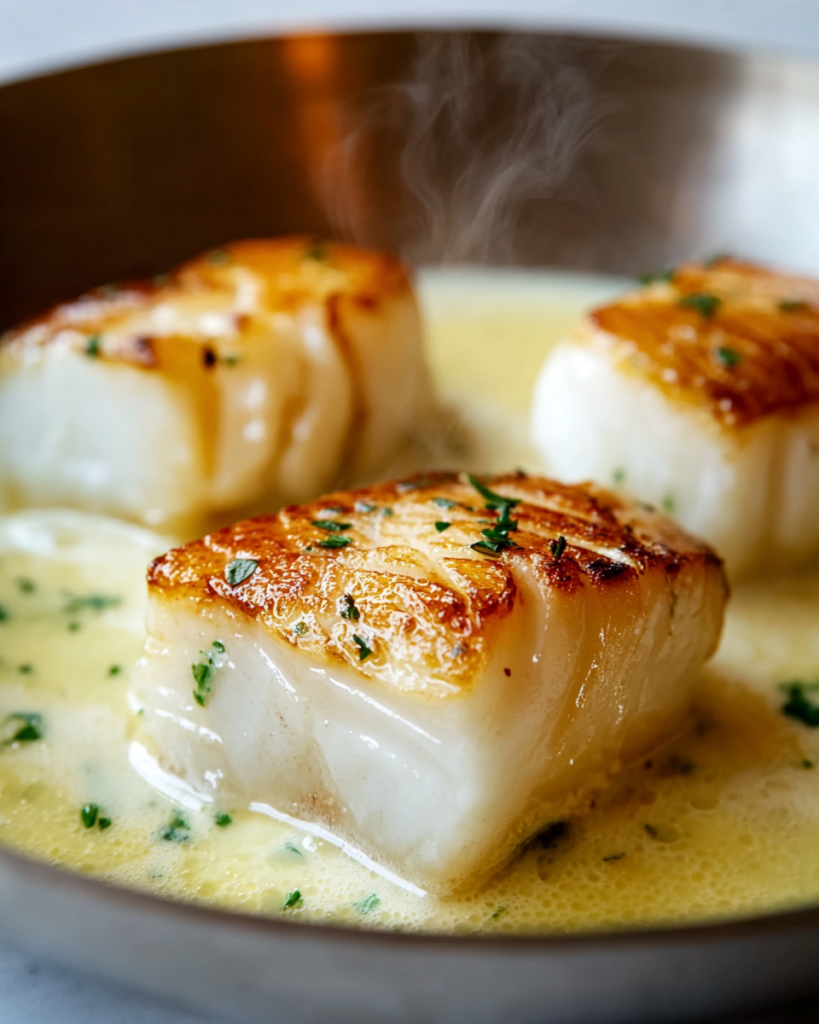
This is the kind of dish that makes a small amount of fish feel special. Halibut cheeks cook very quickly, so you get tender, flaky bites without a long prep session or a complicated finish.
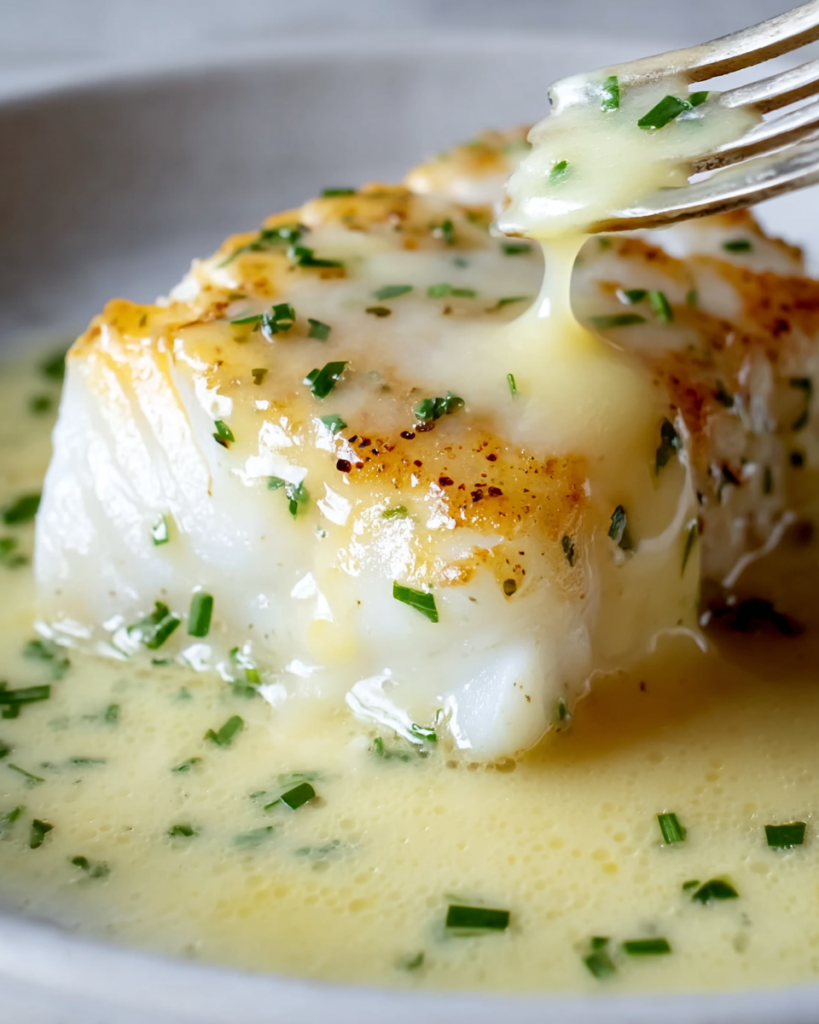
The sauce is what gives the whole plate its polished feel. A gentle reduction of shallots, lemon juice, and white wine builds sharp, bright flavor, while cold butter turns it into something smooth and glossy.
Fresh dill adds a soft herbal note that fits beautifully with the richness of the butter and the clean taste of the fish. It is refined enough for guests, but still practical for a weeknight dinner when you want something a little more elevated.
What You Need to Make This Halibut with Beurre Blanc
Halibut cheeks — These are naturally tender and cook fast, making them perfect for a quick sear and a delicate sauce.
Unsalted butter — The heart of the beurre blanc. Using it cold helps the sauce emulsify into a silky texture instead of turning greasy.
Dry white wine — Adds acidity and depth to the reduction without overpowering the fish.
Shallots — Bring a gentle savory sweetness that makes the sauce feel classic and balanced.
Fresh lemon juice — Brightens the sauce and cuts through the richness of the butter.
Fresh dill — Gives the finished sauce a light herbal freshness that pairs beautifully with seafood.
Neutral oil — Helps the fish sear cleanly in the skillet without adding a heavy flavor.
A little extra butter for the pan — Adds a subtle richness and helps the halibut color nicely.
Salt and white pepper — Keep the seasoning clean and simple so the fish and sauce stay the focus.
Lemon wedge — A final squeeze over the cooked fish wakes up the whole dish right before serving.
Cooking Steps
STEP 1: Get everything ready before the heat goes on. Mince the shallots, squeeze the lemon juice, portion the wine, chop the dill, and keep the butter cold until the moment you need it. This recipe moves quickly, so having everything within reach makes a big difference.
STEP 2: In a small saucepan, simmer the shallots with the lemon juice and white wine over medium heat. Let the liquid reduce until it looks concentrated and slightly syrupy. That reduction gives the beurre blanc its backbone, so do not rush this part.
STEP 3: Turn the heat to very low and whisk in the cold butter a little at a time. Let each piece melt into the sauce before adding the next. Once the sauce is smooth and glossy, season it with salt and white pepper, then keep it warm but not hot.
STEP 4: Heat a nonstick skillet with the neutral oil and a small amount of butter. While the pan warms, pat the halibut cheeks dry and season them lightly. Dry fish will sear better and develop a cleaner surface.
STEP 5: Sear the halibut cheeks briefly on each side until just cooked through. They only need a minute or two per side in most cases, so watch them closely. Finish with a squeeze of lemon for a fresh, bright edge.
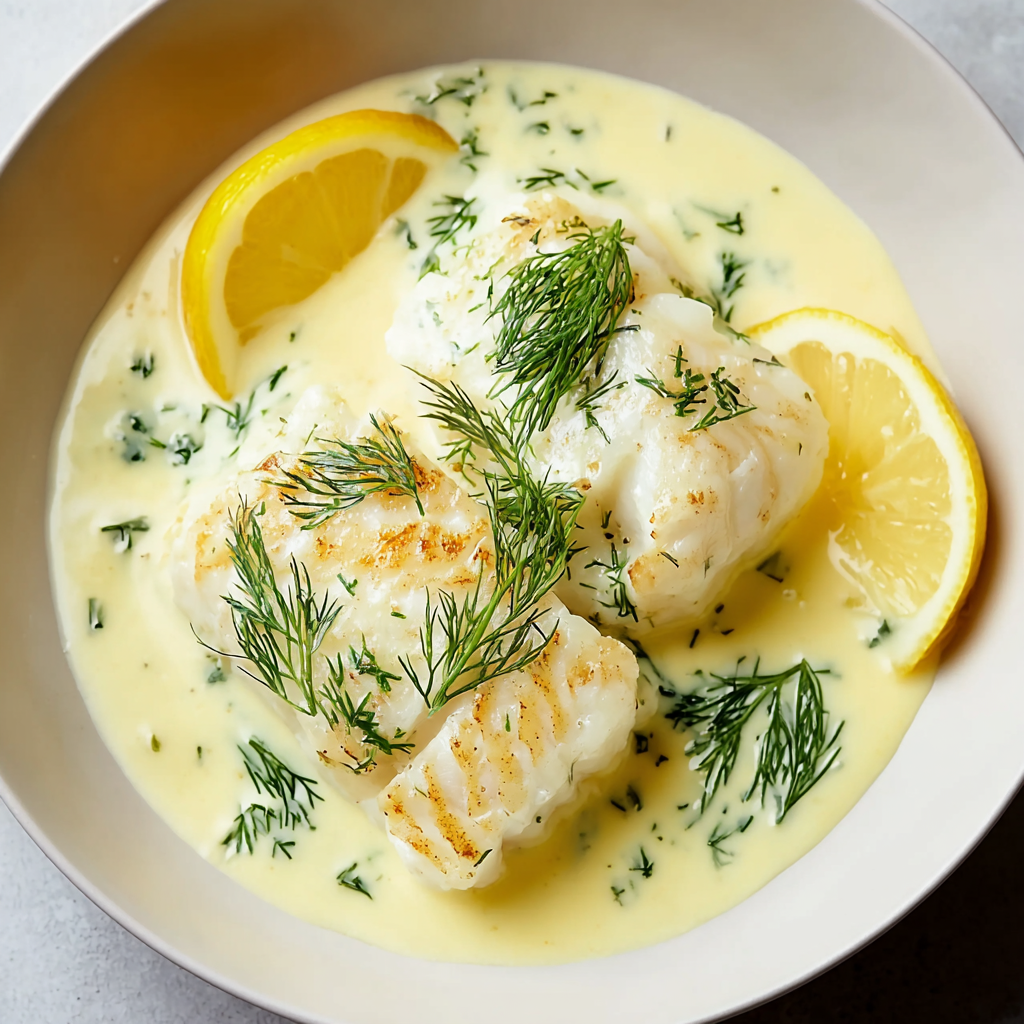
STEP 6: Stir the dill into the warm sauce, give it one last whisk, and spoon it over the halibut right away. Serve immediately while the fish is tender and the sauce is still silky.
Can I use halibut fillets instead of cheeks?
Yes, you can. A small halibut fillet works well with the same sauce, but it will need a slightly longer cook time than cheeks. Keep the heat moderate and pull the fish as soon as it flakes easily so it stays moist.
Why did my beurre blanc separate?
This usually happens when the sauce gets too hot or the butter is added too quickly. Keep the heat very low, whisk constantly, and use cold butter in small pieces. A beurre blanc should stay warm, not simmering.
Can I make the sauce ahead of time?
It is best right after making it, but you can prep the shallots, lemon juice, dill, and butter in advance. If you need to hold the sauce briefly, keep it in a warm spot and whisk it now and then so the emulsion stays smooth.
What does beurre blanc taste like with halibut?
It tastes rich, buttery, and bright at the same time. The lemon and wine keep the sauce from feeling heavy, while the shallots and dill add gentle depth that complements the mild, delicate flavor of halibut.
Perfect Pairings
A simple potato side is one of the best choices here. Mashed potatoes, crushed baby potatoes, or even a smooth potato purée catch the extra sauce and turn the plate into something that feels complete.
Light green vegetables also work beautifully. Steamed asparagus, thin green beans, or sautéed spinach bring freshness and color without competing with the fish or the beurre blanc.
For a lighter option, serve it with a small rice pilaf or plain white rice. That gives the sauce something to settle into while keeping the meal elegant and not too heavy.
Helpful Tips
- Keep the butter cold and add it gradually so the sauce stays smooth and emulsified.
- Pat the halibut very dry before it hits the pan for the cleanest sear.
- Do not leave the fish in the skillet too long; halibut cheeks are small and can overcook fast.
How to Store & Reheat
This dish is at its best the moment it is served, especially because beurre blanc is a delicate butter sauce. Still, leftovers can be handled carefully if needed.
Store the cooked halibut in an airtight container in the refrigerator for up to 2 days. The sauce can also be refrigerated for up to 2 days, though it may firm up and lose some of its original texture once chilled.
For reheating, warm the fish very gently in a covered skillet over low heat or in a low oven just until heated through. Avoid high heat, since halibut dries out quickly.
Reheat the sauce with extra care. Place it over very low heat and whisk constantly as it loosens. If it looks too thick, a tiny splash of warm water can help bring it back together. Do not let it boil.
Freezing is not ideal for the finished sauce because butter emulsions tend to separate after thawing. The fish can be frozen for up to 2 months, but for the best texture, this is one of those seafood dishes that really shines when freshly cooked and served right away.
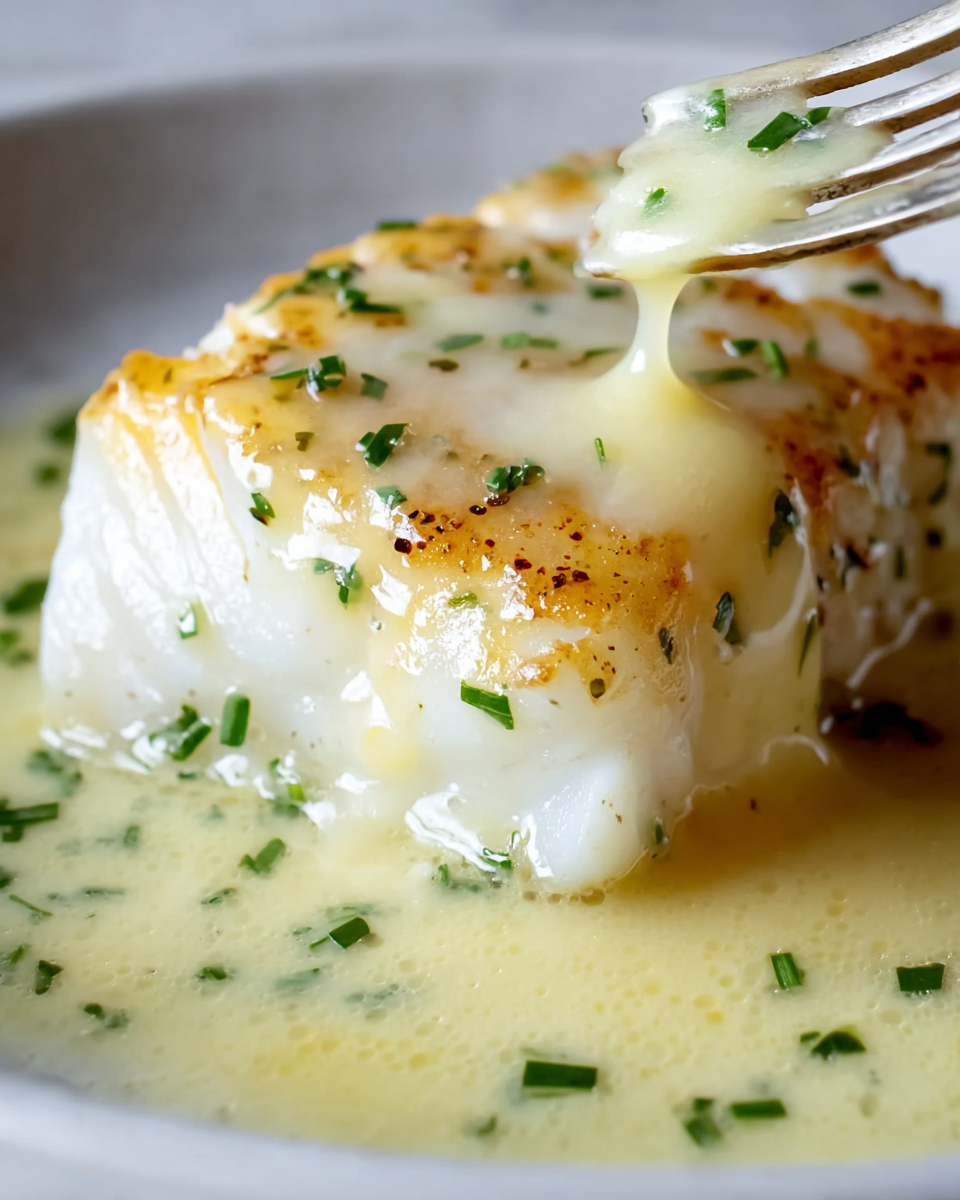
Halibut with Beurre Blanc
Ingredients
- 4 to 8 halibut cheeks
- 8 tablespoons chilled unsalted butter cut into 1-inch cubes
- 2 tablespoons dry white wine such as Sauvignon Blanc
- 1 tablespoon finely minced shallots
- 2 tablespoons freshly squeezed lemon juice
- 1 teaspoon chopped fresh dill
- 1 teaspoon grapeseed oil or another neutral oil such as avocado oil
- 1 teaspoon unsalted butter for cooking the fish
- 1/4 lemon
- Salt to taste
- White pepper to taste
Instructions
- Finely mince the shallots and set them aside. Squeeze the lemon juice, measure the white wine, and cut the cold butter into tablespoon-sized pieces so everything is ready before cooking begins.
- In a small saucepan set over medium heat, combine the minced shallots, lemon juice, and white wine. Bring the mixture to a gentle simmer and let it reduce by about two-thirds, until the liquid becomes slightly thick and syrup-like.
- Lower the heat to its minimum setting. Whisk in the cold butter gradually, adding one piece at a time and allowing each addition to blend fully before adding the next, until the sauce becomes smooth and emulsified.
- Season the beurre blanc with salt and white pepper to taste. For a brighter finish, add a little more lemon juice if desired, then keep the sauce warm and whisk it occasionally so it does not separate.
- Place a non-stick skillet over medium heat and add the grapeseed oil along with 1 teaspoon of butter. While the pan heats, pat the halibut cheeks dry with paper towels and season lightly with salt.
- Cook the halibut cheeks for 1 to 2 minutes per side, or until they are just cooked through. Finish them with a squeeze from the 1/4 lemon for added freshness.
- Stir the chopped dill into the warm beurre blanc sauce, whisking until evenly distributed.
- Arrange the halibut cheeks for serving and spoon the dill beurre blanc over the top. Serve immediately.


