Bold, smoky, and deeply seasoned, Jamaican Jerk Pork Shoulder is a great make-ahead main dish for feeding a crowd, stocking your fridge with flavorful leftovers, or building an unforgettable weekend dinner. It brings together fiery peppers, warm spices, citrus, soy, and slow-cooked tenderness in one reliable, satisfying meal.
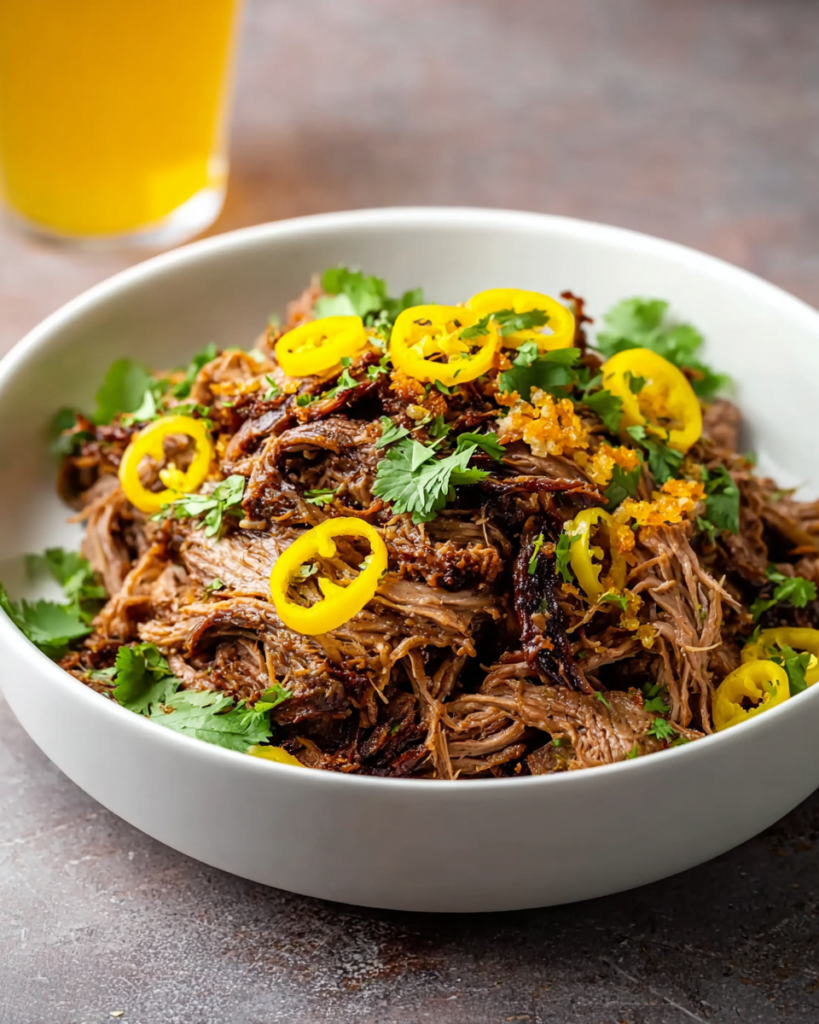
This is the kind of pork you make when you want big flavor without a complicated finish. The marinade does most of the heavy lifting, soaking the meat with heat, sweetness, spice, and savory depth long before it ever reaches the oven or slow cooker.
What makes this dish work so well is the balance. The lime brightens the richer pork, the brown sugar softens the sharp edges of the peppers, and the allspice, nutmeg, cinnamon, and cloves give the whole roast that unmistakable jerk character.
It is also a flexible recipe for real kitchens. You can roast it low and slow for a more traditional feel, or let the slow cooker do the work when you want tender shredded pork with almost no hands-on effort later in the day.
What You Need to Make This Jamaican Jerk Pork Shoulder
Pork shoulder gives you the rich, shreddable texture that makes this dish so hearty and satisfying, especially when cooked until fully tender.
Scotch bonnet or habanero peppers bring the signature jerk heat and fruity sharpness that define the marinade.
Soy sauce adds saltiness and deep savory flavor while helping the marinade cling to the meat.
Onion, green onions, garlic, and ginger build the aromatic base and give the pork its bold, layered character.
Dark brown sugar rounds out the heat and helps create a balanced sweet-savory-spicy finish.
Lime juice cuts through the richness and keeps the marinade bright instead of heavy.
Allspice, five-spice, cinnamon, nutmeg, cloves, and black pepper create the warm, spiced backbone that makes jerk seasoning so distinctive.
Spiced rum and olive oil help blend the marinade smoothly while adding a little depth and richness.
Step-by-Step Jamaican Jerk Pork Shoulder
STEP 1: Make the jerk marinade by blending the peppers, onion, green onions, ginger, garlic, brown sugar, and dry seasonings first, then stream in the soy sauce, rum, lime juice, and oil until the mixture is smooth and thick. The aroma will be strong, spicy, and very sharp from the peppers.
STEP 2: Reserve a small portion of the marinade for later, then cut deep slits across the pork shoulder so the flavor can move beyond the surface. Rub the remaining marinade all over the meat and work some into those cuts with your fingers.
STEP 3: Cover the pork and refrigerate it overnight, or up to a full day if you want deeper seasoning. This rest is where the pork starts picking up that classic jerk profile, so it is worth planning ahead.
STEP 4: Before cooking, let the pork sit out briefly so it is not refrigerator-cold in the center. At this stage, you can choose the oven method for a slow roast or the slow cooker for a more hands-off path to tender meat.
STEP 5: For the oven, roast the pork at a low temperature until it reaches the mid-150s to mid-160s internally, then wrap it tightly and continue cooking until it reaches the pull-apart range around 190 to 205 degrees. For the slow cooker, add the pork with a little liquid and cook on low until it falls apart easily.
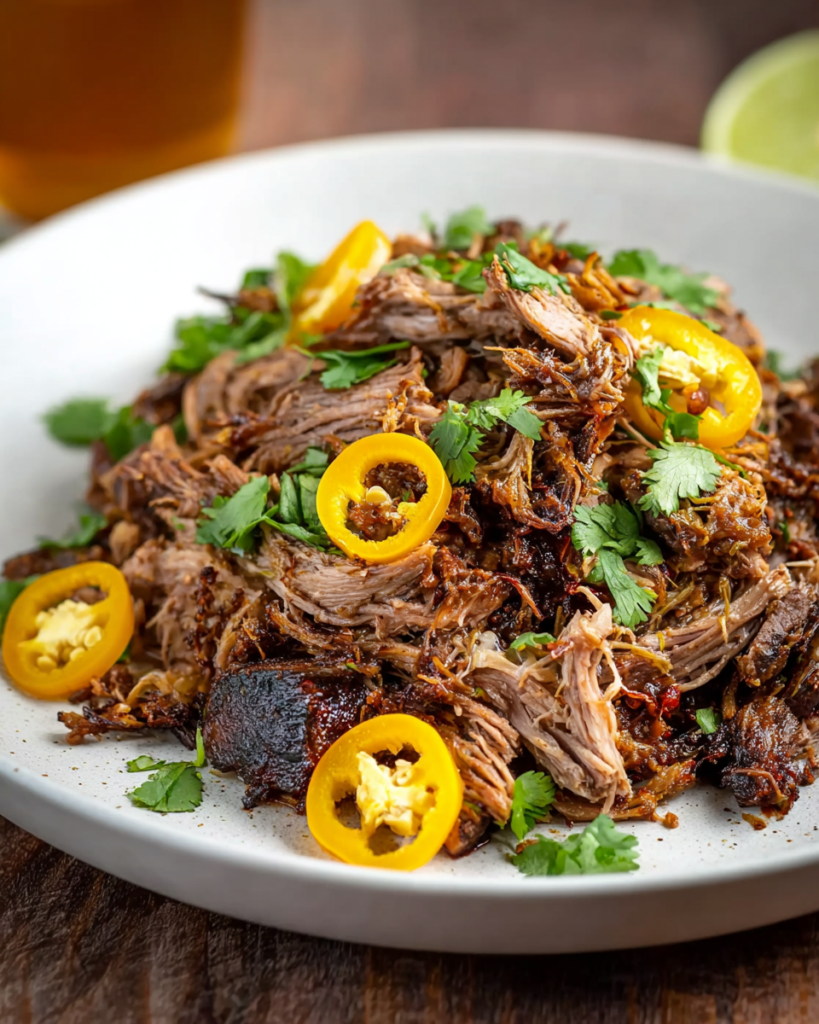
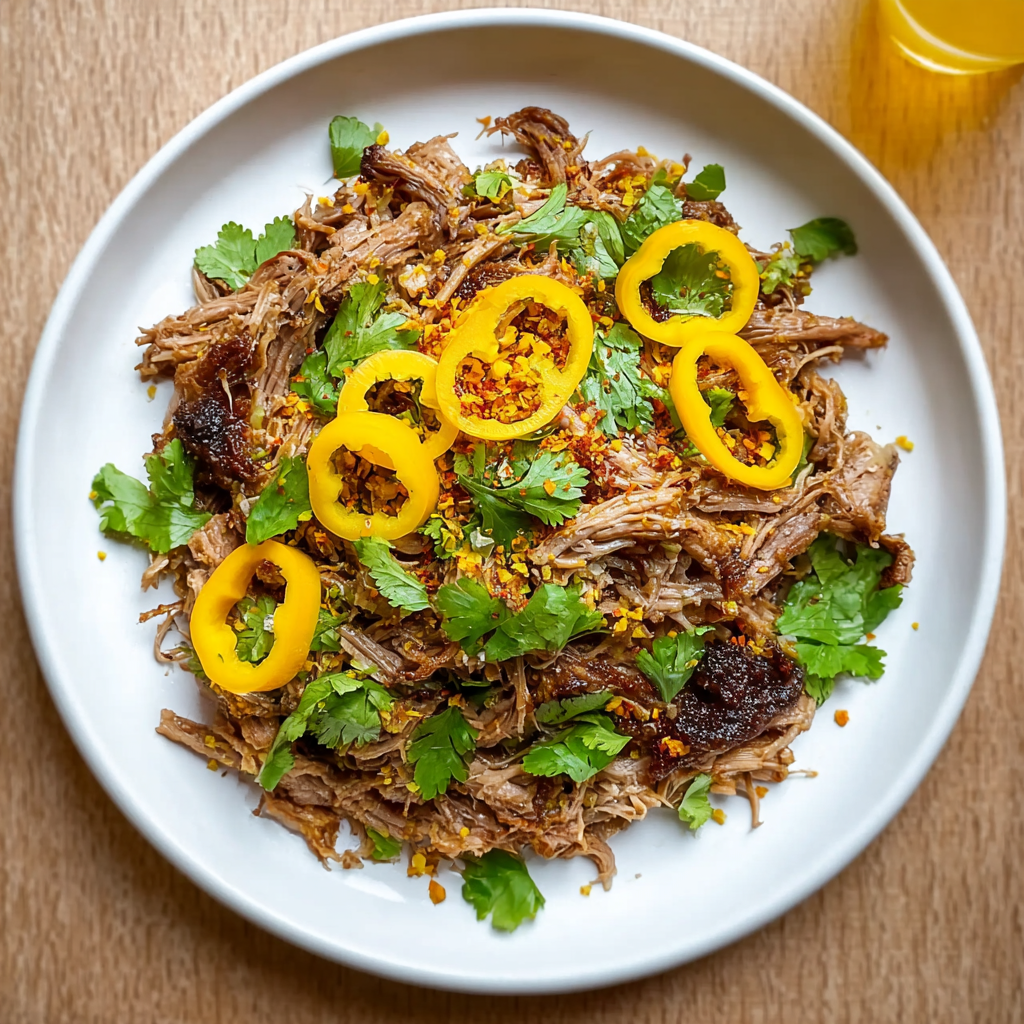
STEP 6: Rest the pork before shredding so the juices settle back into the meat. Once it is ready, pull it apart with forks and mix the flavorful outer pieces with the juicy interior so every serving gets plenty of that rich jerk seasoning.
Can I make jerk pork shoulder less spicy?
Yes. The easiest way is to reduce the number of hot peppers in the marinade while keeping the allspice, ginger, garlic, and lime in place. You will still get the bold jerk flavor, just with a gentler heat level that is easier for more people to enjoy.
Do I have to marinate it overnight?
Overnight marinating gives the pork a much deeper flavor, especially with such a boldly seasoned blend. You can shorten the time in a pinch, but this is one of those recipes that truly benefits from patience, because the meat tastes much more balanced and developed the next day.
Is oven roasting or slow cooking better?
Both work well, but they give slightly different results. Oven roasting tends to create more concentrated flavor on the outside, while the slow cooker makes the pork especially soft and juicy with very little effort. Choose based on whether you want deeper roasted character or maximum convenience.
Can I serve this sliced instead of shredded?
You can, but only if you stop cooking earlier while the meat is still firm enough to carve. For the most classic texture in this style of dish, cooking it until fully tender and shredding it is the better choice because the seasoning spreads more evenly through every bite.
Helpful Tips
- Wear gloves when handling the peppers, and avoid leaning directly over the food processor when you open it.
- Do not skip the slits in the pork shoulder, because they help the marinade season more of the meat instead of just the outer layer.
- Resting matters here. Even a short rest makes the pork easier to shred and helps keep it juicy rather than loose and watery.
How to Store & Reheat
Leftover jerk pork keeps very well, which is one more reason it is such a practical dish for meal prep. Store the shredded pork in an airtight container in the refrigerator for up to 4 days. Spoon a little of the cooking liquid or juices over the meat before sealing it so it stays moist.
For longer storage, freeze it in portions for up to 3 months. Smaller portions thaw more quickly and make it easier to reheat only what you need.
To reheat from the fridge, warm the pork gently in a covered skillet or saucepan with a splash of water, broth, or reserved juices. You can also microwave it in short intervals, covered, stirring once or twice so the edges do not dry out. If reheating from frozen, thaw overnight first for the best texture.
Perfect Pairings
This pork is especially good with rice and peas, where the creamy beans and tender rice mellow the spice and soak up the juices beautifully. Fried plantains are another smart choice because their sweetness plays well with the savory heat. For something fresh, a simple cabbage slaw with lime adds crunch and brightness that keeps the plate from feeling too heavy.
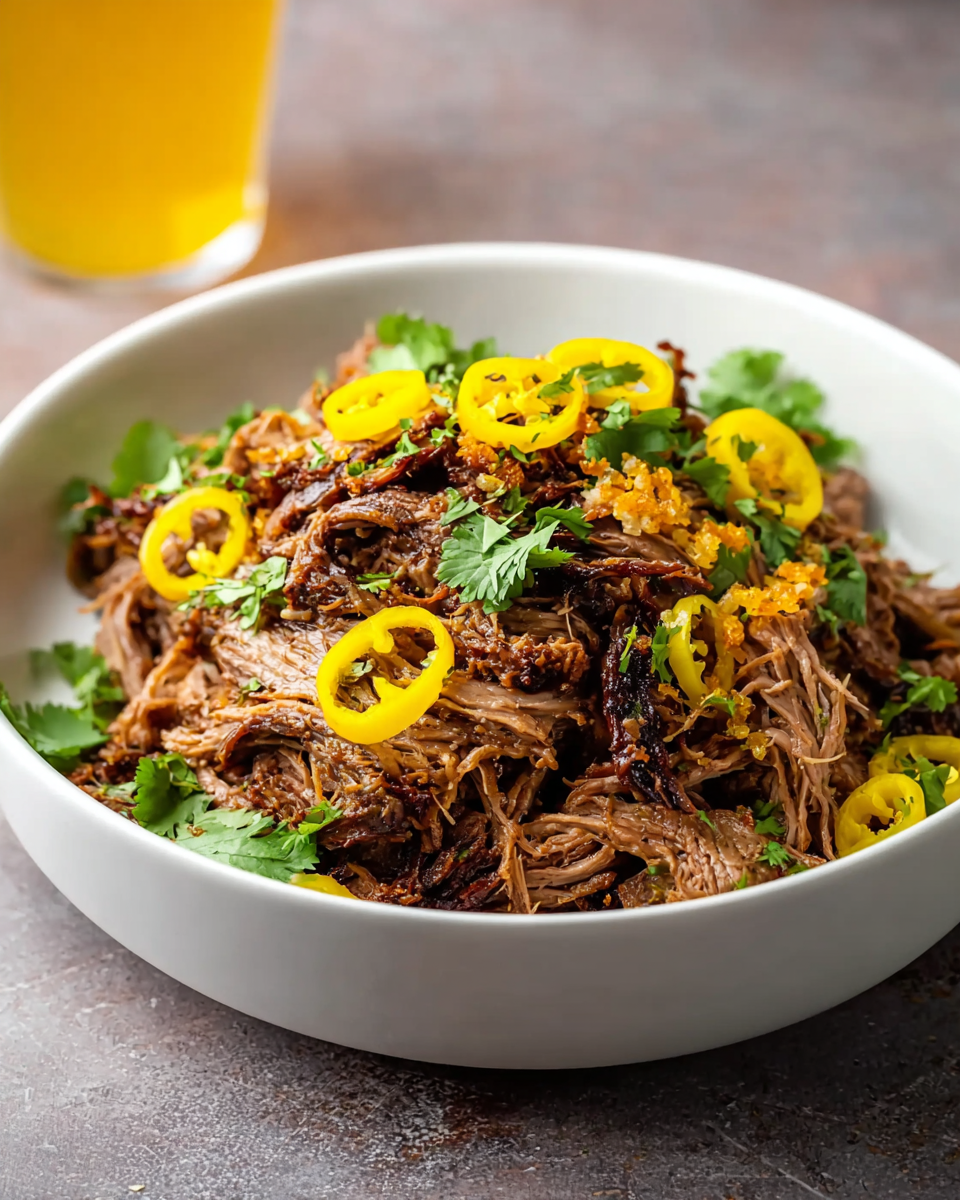
Jamaican Jerk Pork Shoulder
Ingredients
For the marinade
- 1/2 cup soy sauce
- 4 habanero or Scotch bonnet peppers stems removed
- 1 onion cut into rough pieces
- 1 inch fresh ginger peeled
- 1 tablespoon freshly ground black pepper
- 2 tablespoons packed dark brown sugar
- 1/4 cup spiced rum
- 3 garlic cloves minced
- 1 tablespoon allspice powder
- 6 green onions
- 1 tablespoon five-spice blend
- 1 teaspoon ground cinnamon
- 1 tablespoon olive oil
- Juice from 3 limes
- 1 teaspoon salt
- 1 teaspoon ground nutmeg
- 1/4 teaspoon ground cloves
For the pork
- 1 bone-in pork shoulder or pork butt about 5 to 6 pounds
Instructions
Prepare the Marinade
- Place the peppers, onion, green onions, ginger, garlic, brown sugar, and all of the spices into a food processor. Pulse until the mixture is coarsely combined.
- With the processor running, gradually pour in the soy sauce, spiced rum, lime juice, and olive oil. Continue blending until a smooth marinade forms.
- When removing the lid, expect a very strong pepper aroma; this is normal.
Marinate the Pork
- Set aside 1/2 to 1 cup of the marinade, adjusting the amount according to the size of the pork shoulder.
- Cut 1-inch slits across both the top and bottom of the pork.
- Pour the remaining marinade over the pork, turning the meat several times so it is thoroughly coated.
- Using your fingers, press some of the marinade into the slits.
- Cover the pork and refrigerate it overnight at minimum, or for up to 24 hours for deeper flavor penetration.
Pre-Cooking Preparation
- When possible, take the pork from the refrigerator 1 hour before cooking so it can lose some of its chill.
- Choose either the oven-roasting method or the slow-cooker method for cooking.
Oven Roasting Method
- Preheat the oven to 275°F.
- Remove any excess marinade from the pork.
- Line a roasting pan with foil and set a well-greased roasting rack inside.
- Using a wide-mouth meat injector, inject the reserved marinade evenly throughout the pork.
- Insert a leave-in meat thermometer into the thickest section of the meat, making sure it does not touch the bone.
- Roast the pork uncovered until the internal temperature reaches 155 to 165°F.
- Remove the pork from the oven, wrap it in food-safe butcher paper or heavy-duty foil, reinsert the thermometer, and return it to the oven.
- Continue roasting until the internal temperature reaches 190 to 200 to 205°F.
Slow Cooker Method
- Remove any excess marinade from the pork.
- Inject the reserved marinade throughout the meat with a wide-mouth meat injector.
- Place the pork into the slow cooker and add 1 cup of water or chicken stock.
- Cook on low for 8 hours, or until the pork is tender enough to fall apart easily.
Resting and Serving
- After cooking, keep the meat wrapped and let it rest for at least 15 minutes, or as long as 30 to 45 minutes, so the juices can redistribute.
- For the slow-cooker method, leave the pork on the warm setting during the resting period.
- Shred the rested pork with two forks and serve while hot.