Keto Pork Shoulder Pot Roast delivers a low-effort, flavor-packed dinner with a deeply browned crust and tender, shred-ready center. It works beautifully for meal prep, family-style serving, lettuce wraps, and satisfying low-carb bowls.
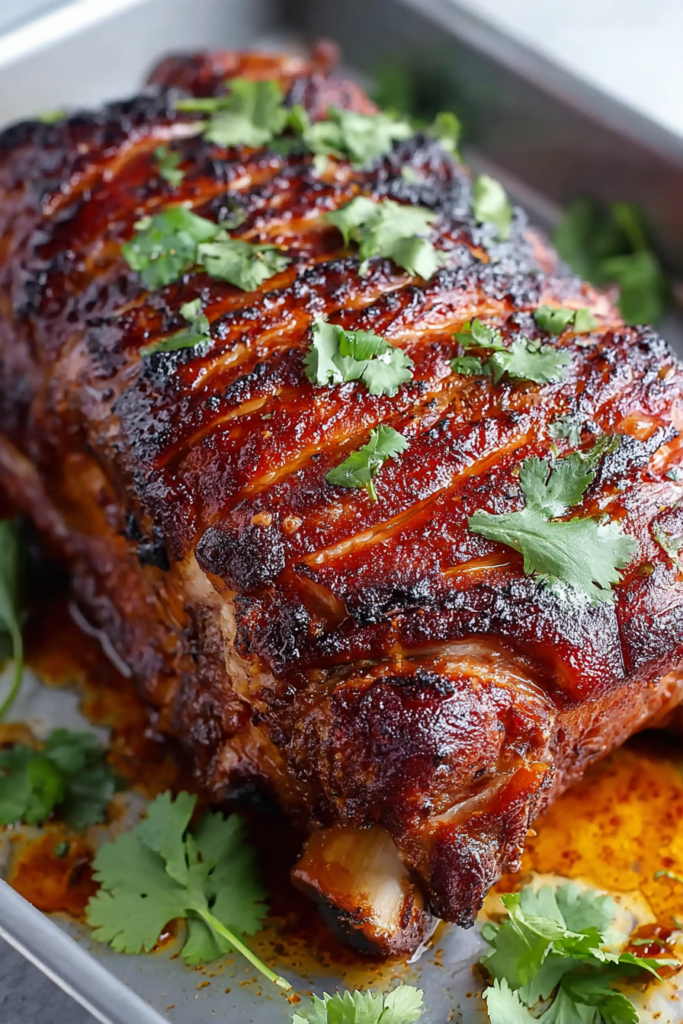
This is the kind of roast that makes your kitchen smell incredible long before dinner hits the table. The seasoning is simple, but it brings a bold, savory finish that tastes like you did far more work than you actually did.
What makes this one especially dependable is the cooking method. The hot start helps build color and texture on the outside, then the long roast gives the pork time to soften until it pulls apart easily.
It is also a practical choice when you want one big main dish that can stretch into several meals. Serve it freshly shredded for dinner, then tuck the leftovers into quick lunches all week.
What You Need to Make This Keto Pork Shoulder Pot Roast
Pork shoulder An 8- to 10-pound roast gives you the rich, tender texture that makes this dish so satisfying. This cut has enough natural fat to stay succulent through the long roasting time.
Coarse salt This seasons the meat thoroughly and helps bring out the full flavor of the pork during the slow roast.
Garlic powder A generous amount gives the crust a deep savory note without adding extra moisture to the surface.
Onion powder This rounds out the seasoning blend and gives the roast a fuller, more balanced flavor.
Ground cumin Cumin adds warmth and a subtle earthy depth that keeps the spice blend from tasting flat.
Dried oregano This brings a slightly herby, rustic edge that works especially well with rich pork.
Freshly ground black pepper Black pepper adds bite and helps the outer crust taste bold and robust.
Cooking Steps
STEP 1: Stir the salt, garlic powder, onion powder, cumin, oregano, and black pepper together in a small bowl until the mixture looks evenly combined. You want every scoop of seasoning to carry the same balance of flavor.
STEP 2: Pat the pork shoulder very dry after rinsing so the seasoning clings properly. Rub the spice mixture all over the roast, pressing it into every side so the surface is well coated and ready to build a flavorful crust.
STEP 3: Set the pork in a large roasting pan with the skin side facing up. This position helps the top develop color and gives the outer layer a better chance to turn deeply browned during the first stage of roasting.
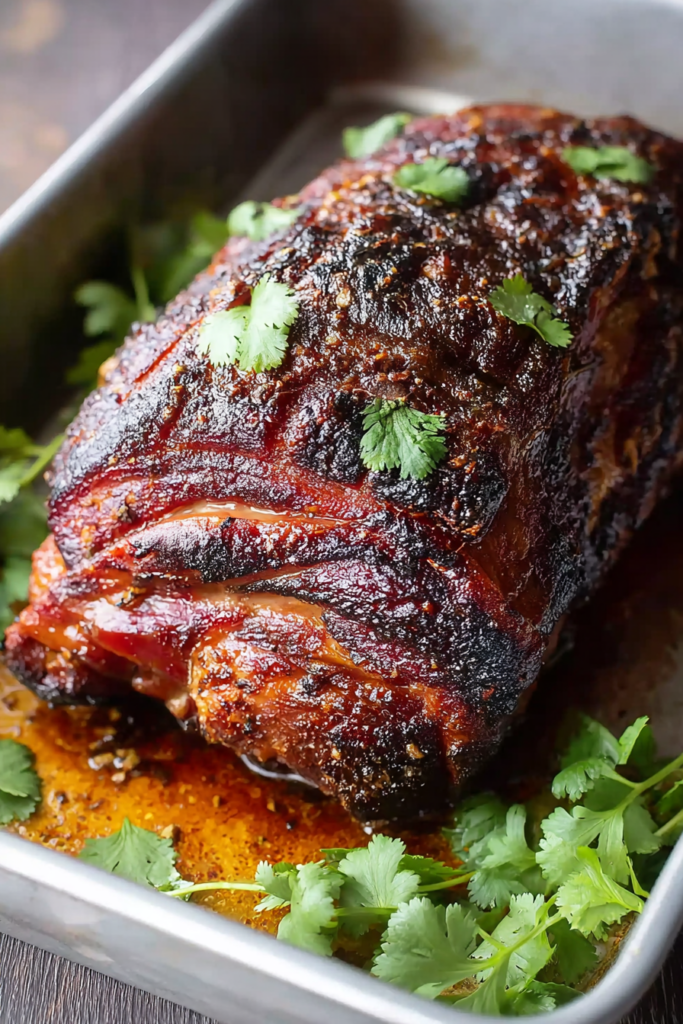
STEP 4: Roast the pork at 500°F for 20 minutes. This short blast of high heat is what starts the crust, giving the roast that appetizing exterior before the low-and-slow cooking begins.
STEP 5: Reduce the oven temperature to 300°F and continue roasting for about 45 minutes per pound. The exact time will vary with the size of your pork shoulder, but the goal is the same: very tender meat that yields easily when pulled with forks.
STEP 6: Rest the roast for 30 minutes once it comes out of the oven. This is worth the wait. The juices settle back into the meat, the exterior firms up slightly, and the pork becomes easier to shred and serve.
STEP 7: Pull the pork apart with two forks, mixing in some of the seasoned outer pieces as you go for extra flavor and texture. Taste before serving and adjust with a little extra salt or pepper only if needed.
Helpful Tips
- Drying the pork well before seasoning makes a noticeable difference in how the crust develops.
- Use a roasting pan large enough to leave some space around the meat so the hot air can circulate properly.
- Mix some crisp exterior pieces into the shredded pork right before serving for the best contrast of texture.
Can I make this with a smaller roast?
Yes, and it is a great option if you do not need such a large batch. Keep the seasoning balanced to the size of the meat and shorten the roasting time accordingly. The best indicator is tenderness, not the clock alone.
Do I need to cover the pork while it cooks?
No, this style of roast works best uncovered. Leaving it open to the heat helps the outside brown and keeps the surface from turning soft or steamy. That uncovered finish is part of what makes the texture so appealing.
How do I know when the pork is ready to shred?
The roast should feel very tender and pull apart easily with forks after resting. If it still seems firm or resistant in the center, it likely needs more oven time. Pork shoulder really shines when it reaches that soft, almost falling-apart stage.
What can I serve with the leftovers?
Leftover shredded pork fits easily into lettuce wraps, low-carb taco plates, and simple bowls with roasted vegetables. You can also reheat a portion in a skillet to crisp the edges a little before serving, which adds great texture.
Serving Ideas for Keto Pork Shoulder Pot Roast
For a simple dinner plate, serve the shredded pork with roasted cauliflower or green beans. Those sides keep the meal hearty without competing with the bold seasoning on the roast.
It is also excellent tucked into lettuce cups with a spoonful of the crispy outer bits. That combination gives you freshness, crunch, and rich pork in the same bite, which keeps the dish from feeling too heavy.
Another smart option is to build a keto bowl with the pork as the centerpiece. Add sautéed cabbage, roasted zucchini, or a small spoonful of pan juices from the roast for a dinner that feels comforting and practical at the same time.
How to Store & Reheat
Store cooled pork in an airtight container in the refrigerator for up to 4 days. Keeping a little of the natural juice with the meat helps it stay moist, especially if you plan to reheat it in portions.
For longer storage, freeze it for up to 3 months. Divide it into meal-size portions before freezing so you can thaw only what you need. That makes this roast especially useful for make-ahead dinners and low-carb meal prep.
To reheat, warm the pork gently in a covered skillet or baking dish with a splash of its juices or a little water. If you want some crisp edges back, uncover it for the last few minutes in a hot skillet or oven. This keeps the meat tender while bringing back some of that delicious browned texture.
This roast is a strong choice when you want something deeply savory, simple to prep, and generous enough to carry more than one meal. Once you make it, you will see why pork shoulder is such a dependable cut for slow roasting in your kitchen.
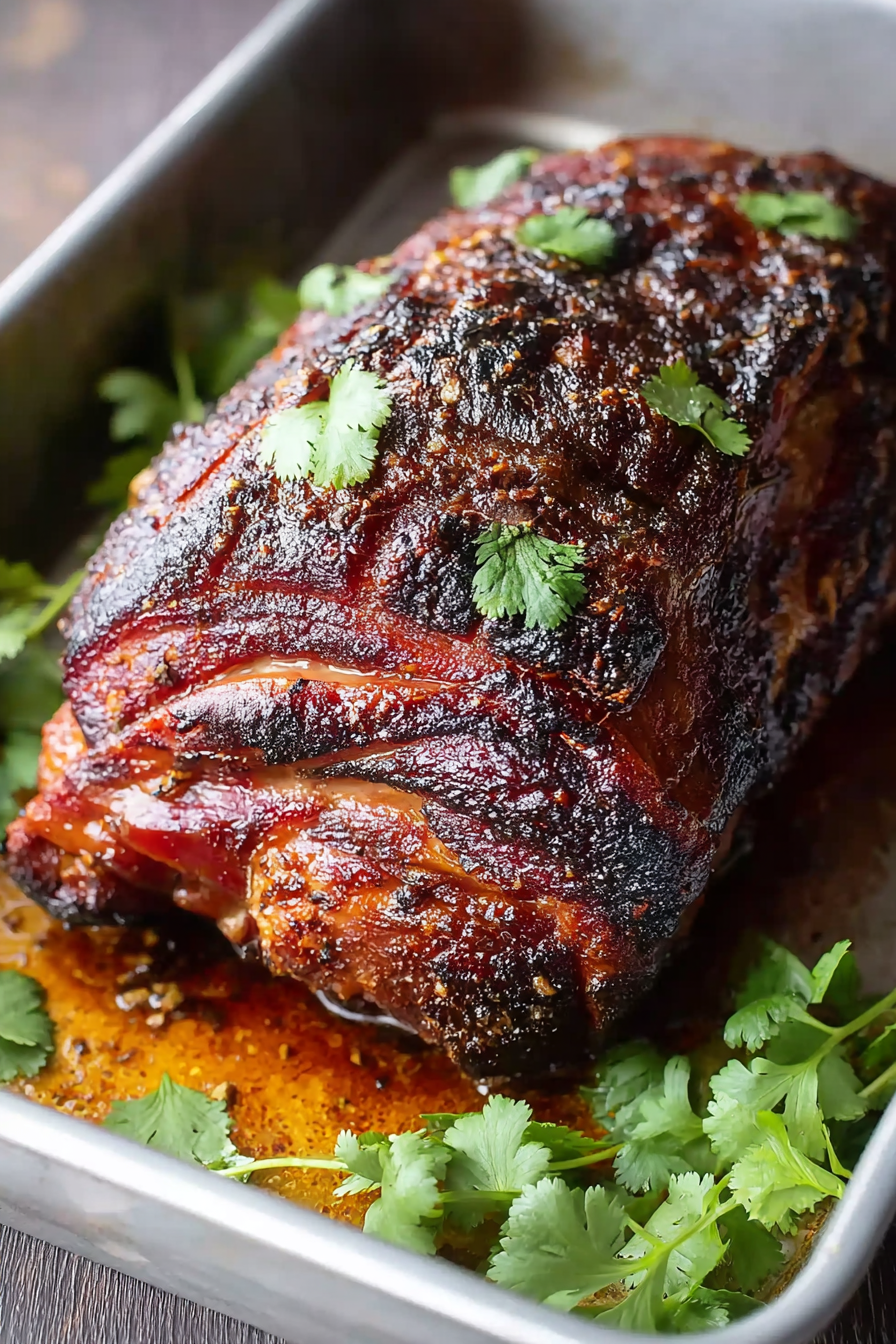
Keto Pork Shoulder Pot Roast
Ingredients
- 8 to 10 pounds pork shoulder
- 2 tablespoons coarse salt
- 1 tablespoon dried oregano
- 1 tablespoon onion powder
- 1 tablespoon freshly ground black pepper
- 2 tablespoons garlic powder
- 1 tablespoon ground cumin
Instructions
- In a small bowl, combine the onion powder, ground cumin, coarse salt, garlic powder, black pepper, and dried oregano. Stir thoroughly until the seasoning mixture is evenly blended.
- Remove the pork shoulder from its packaging. Rinse it under cold water, then dry it completely with paper towels.
- Rub the seasoning mixture generously over the entire surface of the pork, making sure all sides are evenly coated. Set the seasoned roast in a large roasting pan with the skin side facing upward.
- Preheat the oven to 500°F. Place the roasting pan on the center rack and roast the pork uncovered for 20 minutes to begin forming a crisp, flavorful outer crust.
- Lower the oven temperature to 300°F and continue roasting for 45 minutes per pound. For an 8-pound pork shoulder, the total roasting time will be about 6 hours and 20 minutes.
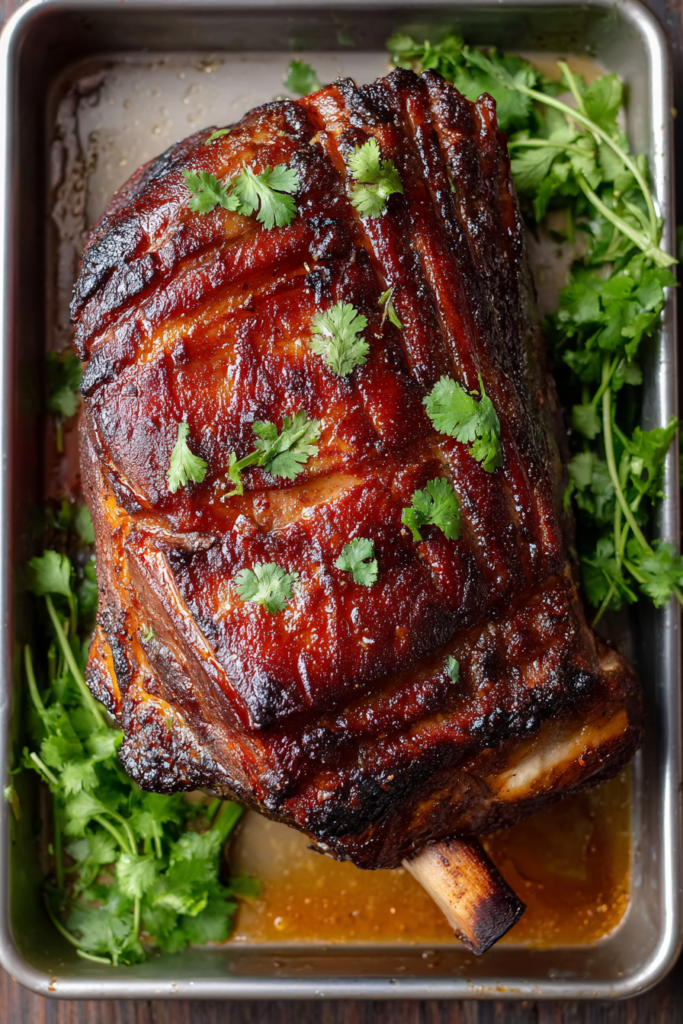
- When the pork is fully cooked, remove it from the oven and let it rest for 30 minutes. This resting period allows the juices to settle back into the meat. The outer layer should lift away easily and can be broken into crisp pieces for serving.
- Use two forks to shred the pork. Taste and adjust the seasoning if needed, then serve as desired.