A flavorful, holiday-ready Lamb Roast for Easter that feels special without being fussy, this rolled leg of lamb delivers bright preserved lemon, fresh herbs, and juicy slices that make a beautiful centerpiece for spring gatherings.
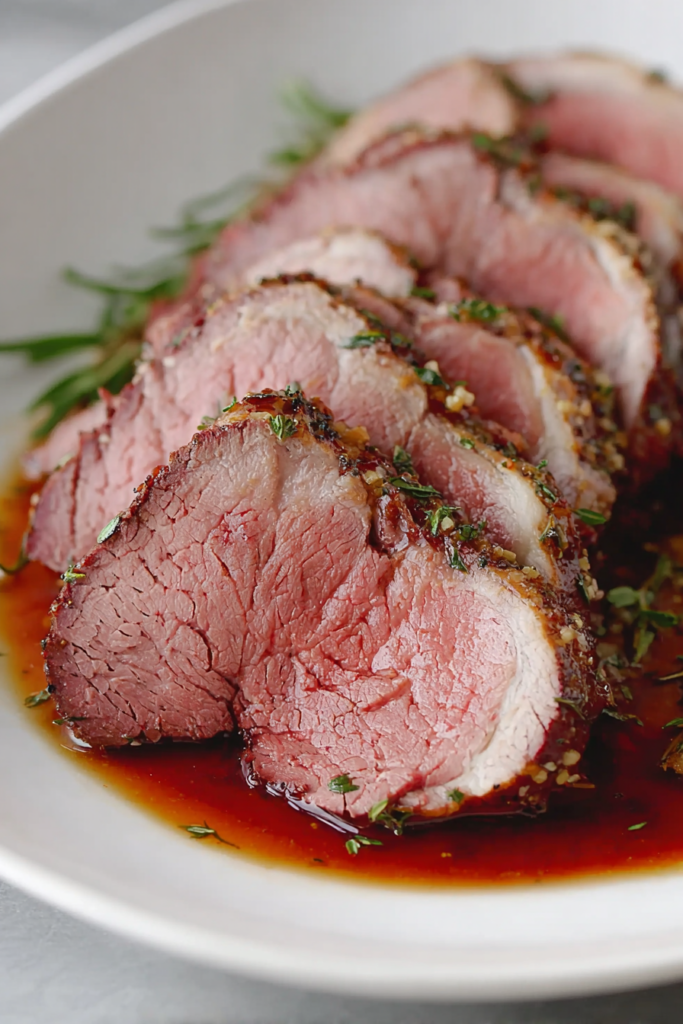
This is the kind of roast that looks impressive on the table but is actually very manageable in your kitchen. Because the lamb is butterflied, seasoned all over, and rolled tightly, you get plenty of flavor in every slice instead of only on the outside.
The preserved lemon, rosemary, mint, and garlic combination gives the roast a fresh, savory depth that feels perfect for Easter dinner. It is rich enough for a celebration, yet lively and aromatic enough to keep the meal from feeling heavy.
I also love that much of the work happens ahead of time. Once the lamb is marinated overnight, your job on the big day is mostly roasting, resting, and slicing, which makes this a smart choice when you are juggling side dishes and guests.
What You Need to Make This Lamb Roast for Easter
You only need a handful of key ingredients to make this roast feel memorable. Each one has a clear job, so the flavor stays focused and elegant rather than busy.
- Butterflied leg of lamb gives you a roast that is easy to season, roll, and slice. It cooks more evenly than a thick, untrimmed roast and looks beautiful once cut.
- Preserved lemon rind brings a concentrated citrusy, savory punch. It adds brightness without watering down the herb mixture.
- Fresh rosemary gives the roast its classic earthy backbone and pairs naturally with lamb.
- Fresh mint lifts the richer flavor of the meat and keeps the herb filling tasting fresh and balanced.
- Garlic adds warmth and depth, helping the herb paste feel rounded and bold.
- Extra-virgin olive oil turns the chopped herbs into a spreadable mixture that clings to the meat and helps the roast stay flavorful.
- Thin lemon peel strips tucked into the rolled lamb add little pockets of citrus aroma throughout the roast.
- Salt and pepper keep everything defined and savory without competing with the preserved lemon and herbs.
Cooking Steps
STEP 1: Make the herb mixture first so the flavors can blend properly. Pulse the preserved lemon rind, rosemary, mint, garlic, salt, and pepper until coarse, then drizzle in the olive oil until you have a thick, spreadable paste that feels closer to a rustic pesto than a smooth sauce.
STEP 2: Lay the butterflied lamb between sheets of plastic wrap and gently pound it until the thickness is even from edge to edge. This small step makes a big difference because it helps the roast roll neatly and cook more evenly all the way through.
STEP 3: Spread part of the herb mixture over one side, working it into the natural seams of the lamb. Fold, coat the other side, and let the meat marinate in the refrigerator for at least 8 hours, or overnight, so the preserved lemon and herbs really settle into the lamb.
STEP 4: When you are ready to roast, scatter the thin lemon peel strips over the inside surface and roll the lamb up tightly from the narrow end. Tie it securely with butcher’s twine so it holds a compact shape and slices cleanly after roasting.
STEP 5: Start the roast in a hot oven to build color and deepen the outside flavor. Roasting at the higher temperature first gives the lamb a nicely developed exterior before you lower the heat and finish cooking it more gently.
STEP 6: Add the water to the roasting pan, reduce the temperature, and continue roasting until the lamb reaches the doneness you like. Once it comes out of the oven, let it rest well before slicing so the juices stay in the meat instead of running onto the cutting board.
Helpful Tips
- Do not skip the overnight marinating time if you can help it. This roast tastes noticeably deeper and more balanced once the herb mixture has time to work into the meat.
- Tie the lamb snugly, but not so tightly that the filling squeezes out. A compact roll helps the roast keep its shape and gives you prettier slices.
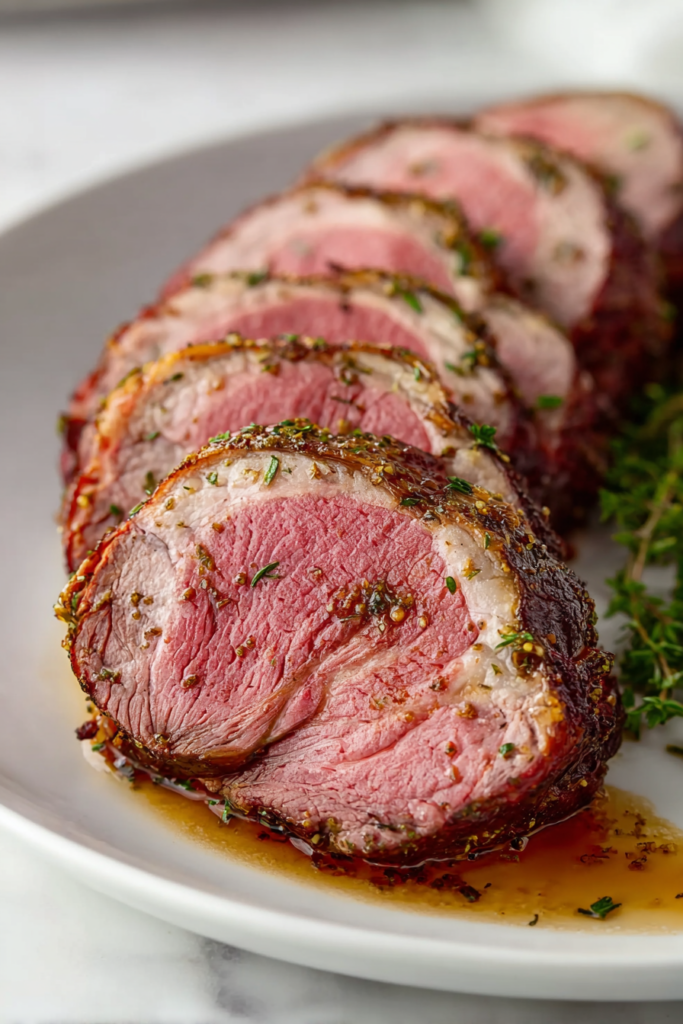
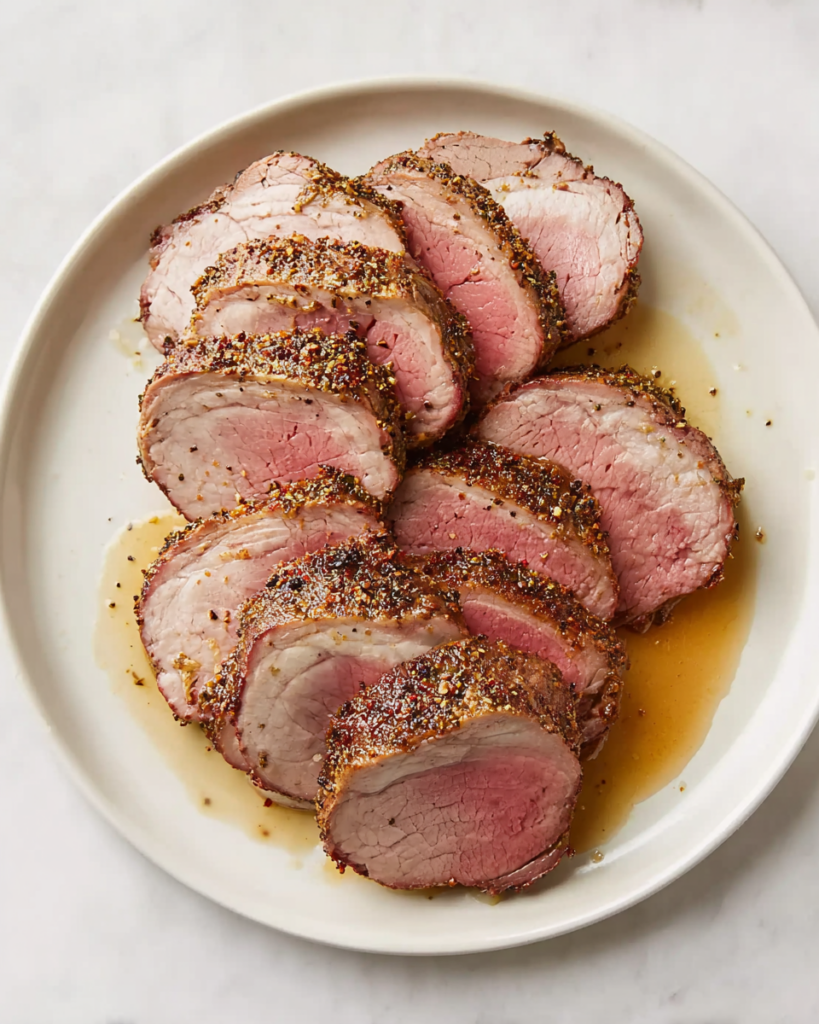
- Slice with a sharp knife after resting, and go thin. Delicate slices show off the spiral of herbs and lemon much better than thick chunks.
Can I make this roast ahead of time?
Yes. This is actually one of the nicest things about it. You can season, roll, and tie the lamb the night before, then keep it chilled until roasting time the next day. That makes Easter cooking feel far less rushed.
What can I use if I do not have preserved lemon?
Preserved lemon gives the roast its signature flavor, so it is worth using when possible. If you need a substitute, use fresh lemon zest with a small pinch of extra salt, knowing the finished roast will taste brighter and less deeply savory.
How do I know when the lamb is done?
The most reliable method is an instant-read thermometer inserted into the center of the roast. Since preferred doneness can vary, checking the internal temperature helps you avoid overcooking and keeps the slices tender instead of dry.
Do I have to roll and tie the lamb?
For this particular roast, yes, that shaping step matters. Rolling keeps the herb mixture layered inside the meat, while tying helps the lamb cook in a more even, attractive form. It is what gives the roast its special holiday presentation.
Perfect Pairings
Roasted baby potatoes are an easy first choice. Their crisp edges and mild flavor soak up the pan juices beautifully and make the plate feel substantial without distracting from the lamb.
A simple green vegetable works especially well here. Think green beans, asparagus, or peas with a little olive oil and lemon. That kind of side mirrors the fresh herbal notes in the roast and keeps the meal feeling spring-like.
Warm bread or a soft grain side can also be lovely if you want something to catch the juices. Even a light couscous or fluffy rice can work, especially when you want the lamb to remain the clear centerpiece.
How to Store & Reheat
Leftover lamb should be cooled, covered, and refrigerated within a reasonable time after serving. It keeps well in the fridge for up to 3 days and is best stored in slices or larger pieces with a spoonful of juices to help prevent drying out.
To reheat, place the lamb in a covered baking dish with a small splash of water or pan juices and warm it gently in the oven until heated through. You can also reheat slices in a skillet over low heat, but keep the temperature gentle so the meat stays tender.
For longer storage, you can freeze the sliced lamb in a tightly wrapped container for up to 2 months. Thaw it in the refrigerator before reheating so the texture stays as close as possible to freshly cooked.
This roast is the kind of main dish that feels worthy of a holiday table while still being practical for a home cook. The preserved lemon and herbs do most of the heavy lifting, giving you a centerpiece that tastes bright, savory, and unmistakably festive with very little last-minute stress.
Lamb Roast for Easter
Ingredients
For the herb mixture:
- 1 preserved lemon rind
- 2 garlic cloves minced
- 1/2 cup fresh rosemary leaves
- 1/2 cup fresh mint leaves
- 1/3 cup extra-virgin olive oil
- Salt to taste
- Pepper to taste
For the lamb:
- 1 butterflied leg of lamb about 3 to 4 pounds, boned and trimmed
- Thin strips of lemon peel
- 1/2 cup water
- Butcher’s twine for tying the roast
Instructions
- Place the preserved lemon rind, rosemary leaves, mint, garlic, salt, and pepper into a food processor. Blend until the mixture begins to resemble a coarse pesto, then slowly pour in the olive oil and continue processing until it reaches a spreadable consistency.
- Set the butterflied leg of lamb between two sheets of plastic wrap. Using the flat side of a meat mallet, gently pound the meat until it is evenly thick throughout.
- Spread half of the preserved lemon and herb mixture across one side of the lamb, pressing it into all the natural folds and creases. Fold the lamb in half, then coat the opposite side with the remaining herb mixture. Cover with plastic wrap and refrigerate for at least 8 hours, or overnight for deeper flavor.
- Prepare the lemon peels by slicing them into slender strips and removing any pulp. Transfer the lamb to a board and distribute the lemon peel strips evenly over the inside surface.
- Roll the lamb firmly, starting from the narrow end and continuing toward the thicker end, tucking in any loose edges as you go to keep the roast compact and even.
- Cut a piece of cotton butcher’s twine about 6 feet long and slide it beneath the rolled lamb. Tie a secure first knot, then use a blanket stitch to fasten the roast snugly so it holds its shape during roasting.
- Place the tied lamb on a rack set inside a roasting pan lined with parchment paper. Heat the oven to 450°F (232°C), then roast the lamb for 25 minutes to develop an initial sear.
- After the first 25 minutes, pour 1/2 cup of water into the pan and reduce the oven temperature to 400°F (204°C). Continue roasting for about 35 minutes more, or until the lamb reaches your preferred doneness.
- Remove the roast from the oven and let it rest in the pan for approximately 30 minutes. This resting period helps the juices settle back into the meat.
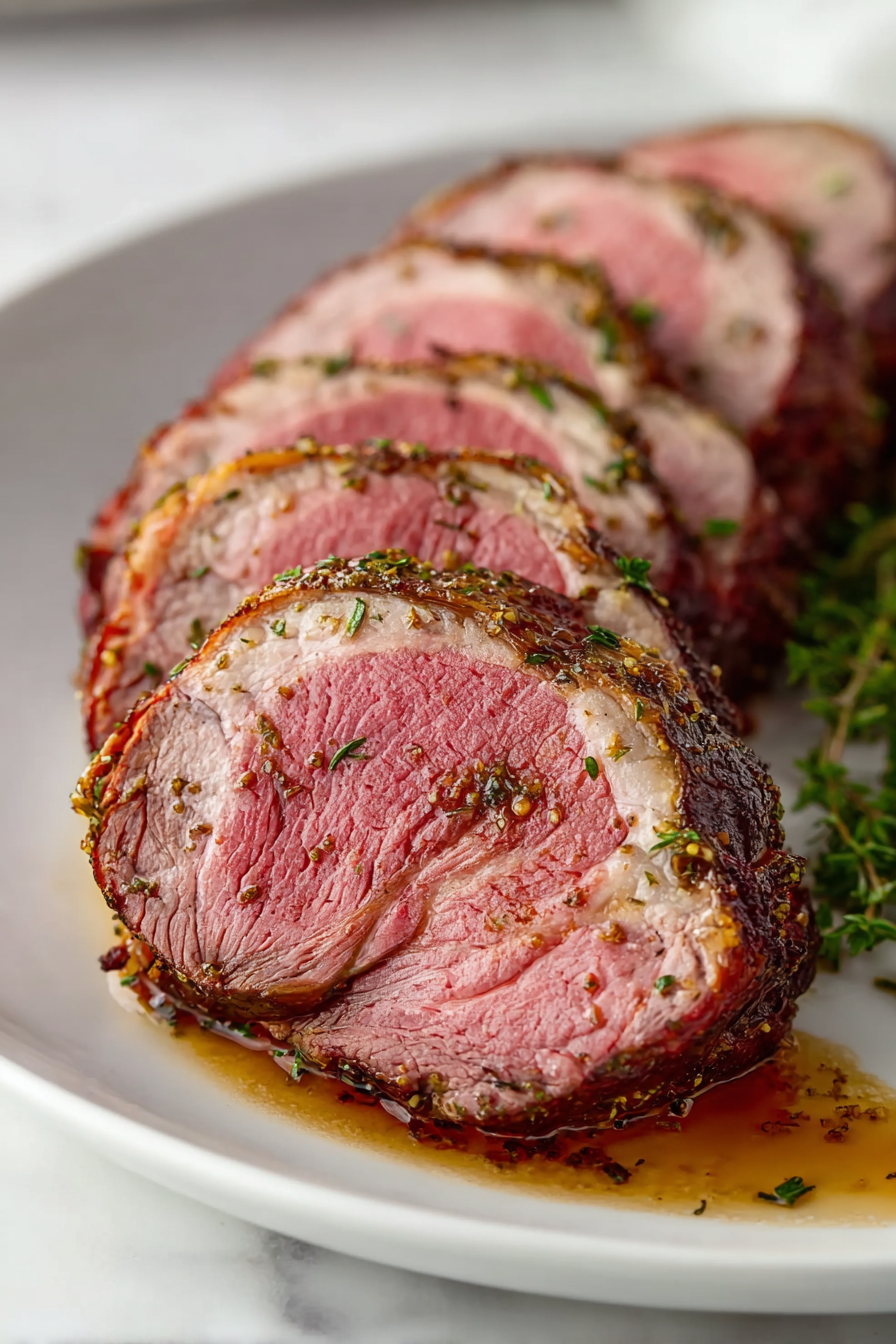
- Once rested, carefully snip and remove the twine. Slice the lamb into pieces about 1/8 to 1/4 inch thick, then arrange the slices on a serving platter and garnish with fresh lemon wedges.


