Low Carb Almond Flour Cake is a beginner-friendly, make-ahead dessert with a delicate crumb, a gently golden top, and a simple ingredient list. Use monk fruit sweetener for the lower-carb version, and you still get a reliable, sliceable cake that works for dessert, snacking, or coffee breaks.
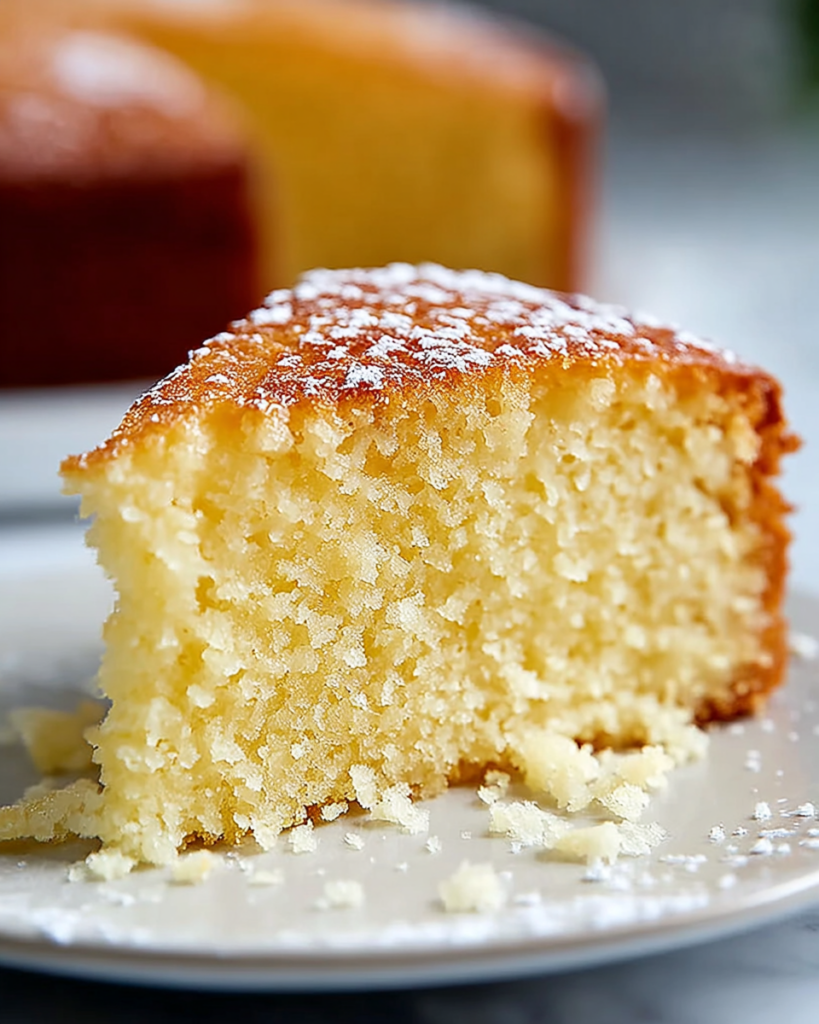
This is the kind of cake you make when you want something uncomplicated but still satisfying. It feels a little special on the plate, yet the method is refreshingly straightforward.
What makes it stand out is the texture. Thoroughly whipped eggs give the batter its lift, so the finished cake stays light instead of heavy, even with almond flour doing all the work.
It is also a practical bake for your kitchen because the ingredients are minimal, the prep is short, and the cake tastes just as welcome at an afternoon gathering as it does with a quiet cup of coffee.
What You Need to Make This Low Carb Almond Flour Cake
Eggs — These do the heavy lifting here. When beaten until pale and airy, they create the structure and volume that help the cake rise without relying on a more traditional batter base.
Granulated sugar or monk fruit sweetener — Sugar helps whip the eggs into a stable, fluffy mixture, while monk fruit gives you a lower-carb option that still keeps the sweetness clean and simple.
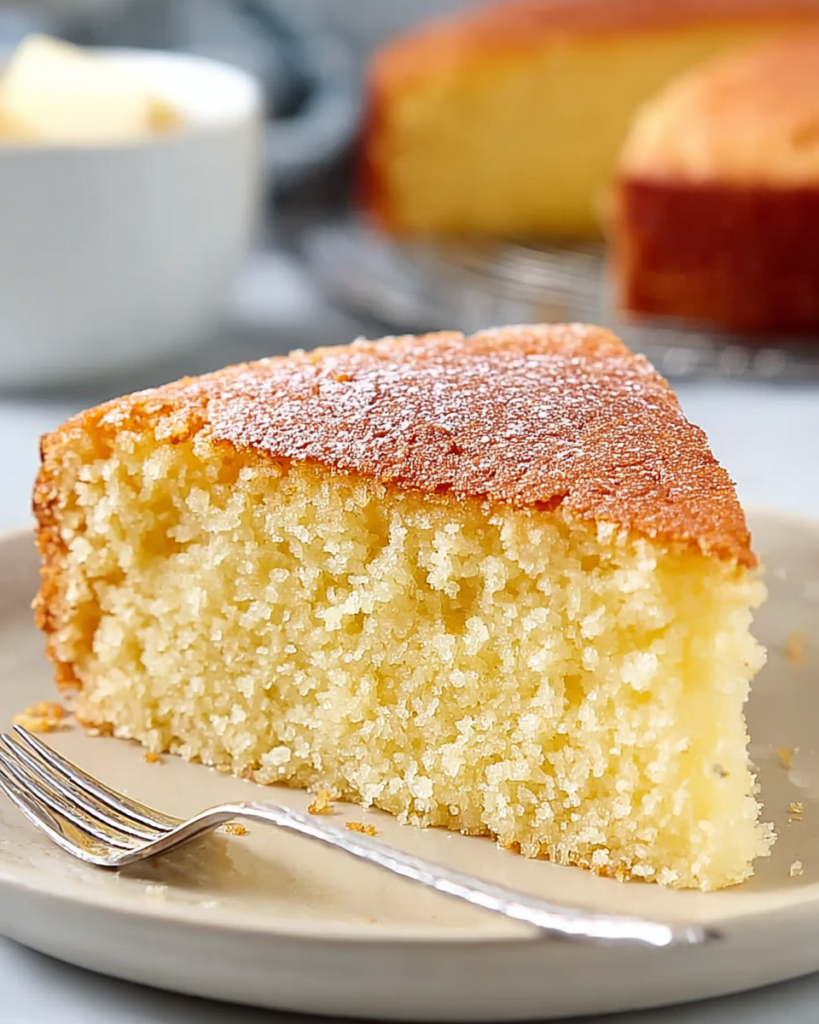
Finely milled blanched almond flour — This gives the cake its soft, delicate crumb. A finely milled version matters because it folds in more smoothly and creates a more even texture from edge to center.
Cooking Steps
STEP 1: Start by heating your oven to 350°F and positioning the rack in the middle. Grease an 8-inch round or square pan well so the cake can release cleanly later without tearing around the edges.
STEP 2: Add the room temperature eggs and your chosen sweetener to a large bowl. Beat the mixture on high speed for about 10 minutes, until it looks pale, fluffy, and much fuller in volume. This is the most important stage of the recipe.
STEP 3: Add the almond flour gradually rather than all at once. Fold in the first portion gently with a spatula, then repeat with the remaining additions, stopping as soon as you no longer see dry flour.
STEP 4: Transfer the batter to the prepared pan and smooth the top lightly. Try not to press down too much, since that airy structure you created with the eggs is what gives the cake its delicate lift.
STEP 5: Bake for 35 to 40 minutes, watching for a lightly golden surface and a center that springs back softly when touched. A toothpick should come out clean or with only a few moist crumbs attached.
STEP 6: Let the cake rest in the pan for 1 hour so it can firm up properly. After that, loosen the edges with a thin knife, turn it out onto a rack, and let it cool completely before slicing for the neatest pieces.
How to Store & Reheat
This cake keeps well because almond flour stays pleasantly tender instead of drying out too quickly. Once fully cooled, cover it tightly and store it in the refrigerator for up to 5 days. The chilled texture will be slightly firmer, but still soft and enjoyable.
For longer storage, wrap individual slices or the whole cake well and freeze for up to 2 months. Thaw overnight in the refrigerator or let slices sit at room temperature until softened.
You do not really need to reheat it, but a brief 10 to 15 seconds in the microwave can take the chill off a refrigerated slice and bring back a softer, fresher texture.
Can I use monk fruit sweetener instead of sugar?
Yes, this cake was written with that option in mind. Monk fruit sweetener is the better choice for a lower-carb version, but the final texture can vary a little depending on the blend you use, so fold gently and keep an eye on doneness near the end of baking.
Why does this cake rise without baking powder?
The lift comes from the eggs. Beating them with the sweetener for the full time creates a thick, airy base that acts as the structure for the cake. That whipped volume is what gives you a lighter crumb instead of a compact, heavy slice.
Why did my almond flour cake turn out dense?
The two most common reasons are under-whipped eggs or over-folding once the almond flour goes in. This batter depends on trapped air for its texture, so if the eggs are not fully whipped or the batter gets deflated, the cake will bake up flatter and heavier.
Can I make this cake ahead of time?
Yes, and it is actually a great make-ahead dessert. Because it needs plenty of cooling time to set well, baking it earlier in the day or even the night before works beautifully. The flavor stays simple and pleasant, and the slices cut more cleanly once fully cooled.
Perfect Pairings
A slice of this cake is lovely on its own, but it also fits easily into different serving moments depending on how you want to use it.
Serve it with hot coffee or espresso when you want a simple afternoon treat. The cake’s mild almond flavor and tender crumb feel especially nice with something warm and slightly bitter on the side.
For a more dessert-like plate, add a spoonful of unsweetened whipped cream or a small dollop of thick yogurt. That little contrast makes the cake feel more finished without overwhelming its delicate texture.
Fresh berries also work well here. They add brightness and a little juiciness, which is especially helpful since this is a very simple cake with a clean, understated flavor profile.
Helpful Tips
- Beat the eggs and sweetener until the mixture looks dramatically lighter and fuller, not just slightly foamy. That extra volume is the difference between a tender cake and a dense one.
- Fold the almond flour in slowly and gently. A spatula works better than a whisk here because it helps preserve the air you built during mixing.
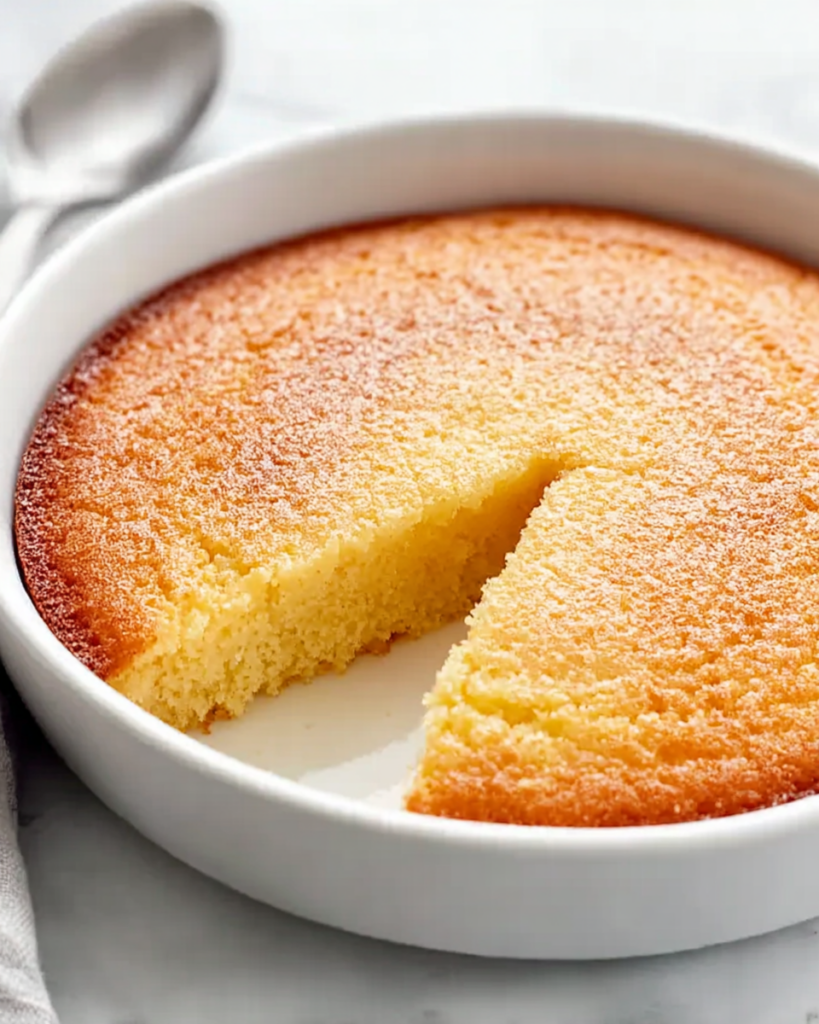
- Let the cake cool completely before slicing. It may smell ready much sooner, but full cooling helps the crumb settle so each slice holds together neatly.
This cake is a good reminder that a short ingredient list can still deliver a satisfying result. You are not relying on layers of flavorings or complicated steps here. Instead, the appeal comes from technique, texture, and knowing when to keep things simple.
It is especially useful when you want a dessert that feels homemade in the best way: modest, dependable, and easy to fit into real life. You can serve it after dinner, bring it out with coffee, or keep a few slices tucked away for the next day.
And because the method is so approachable, it is the kind of bake you can return to often. Once you understand how much the whipped eggs matter and how gently the almond flour should be folded in, the whole recipe becomes wonderfully repeatable in your kitchen.
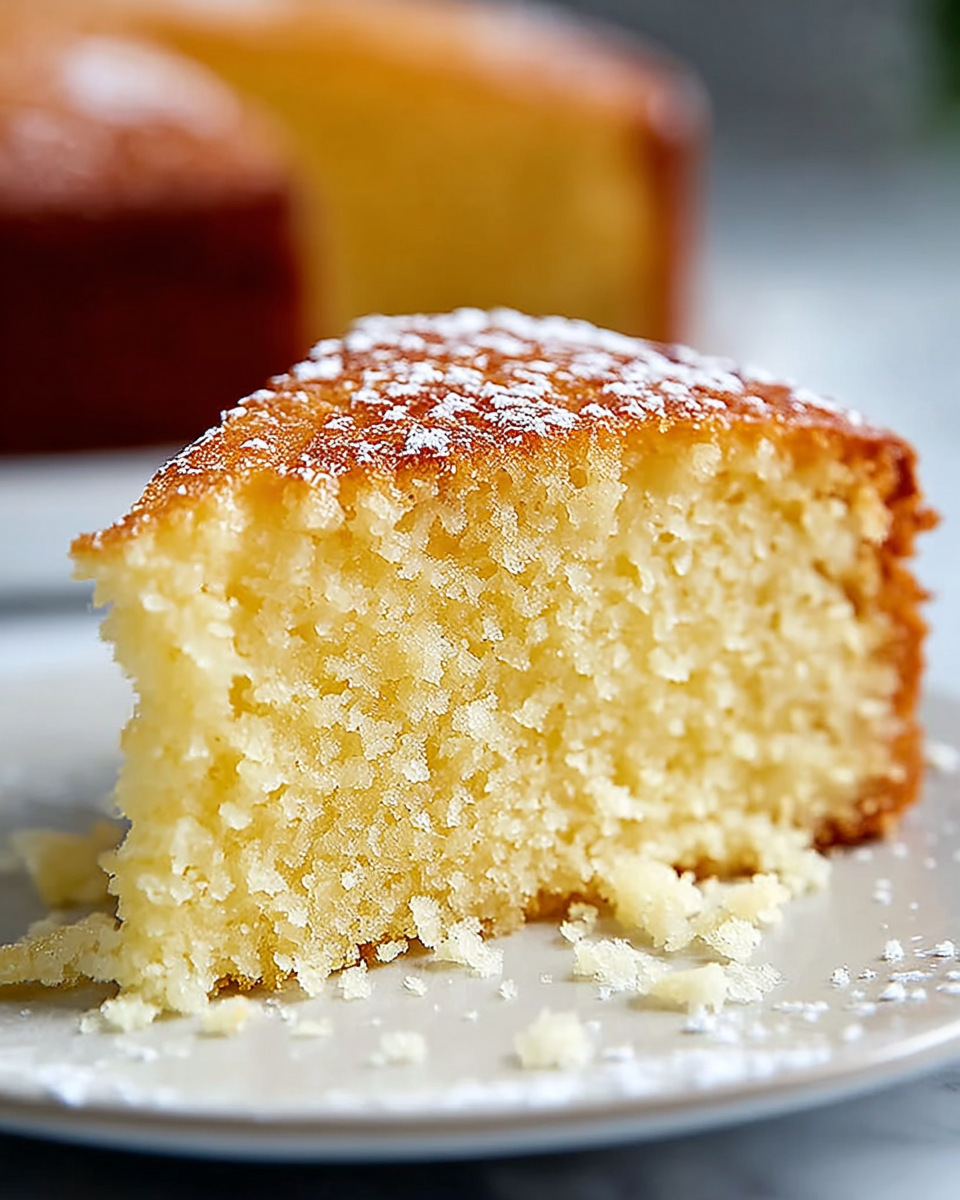
Low Carb Almond Flour Cake
Ingredients
- 4 large eggs brought to room temperature
- 3 1/2 cups finely milled blanched almond flour
- 1 cup granulated sugar or monk fruit sweetener for a lower-carb variation
Instructions
- Preheat the oven to 350°F and place the oven rack in the center position. Thoroughly grease an 8-inch round or square baking pan, coating both the base and sides well to help the cake release cleanly after baking.
- Place the room temperature eggs and sugar in a large mixing bowl. Beat on high speed for 10 minutes, until the mixture becomes pale in color, very airy, and roughly triples in volume. This stage is essential, as it develops the lift and structure for the cake.
- Add the almond flour in three separate additions, folding gently with a spatula after each one. Fold only until the flour is incorporated before adding the next portion, taking care not to deflate the batter.
- Transfer the batter to the prepared pan and smooth the surface into an even layer. Bake for 35 to 40 minutes, or until a toothpick inserted into the center emerges clean or with only a few moist crumbs. The top should appear golden and spring back lightly when touched.
- Leave the cake in the pan for 1 hour so it can set properly. Then run a thin knife around the edge, invert the cake onto a wire rack, and allow it to cool completely to room temperature before slicing.


