Mahi Mahi With Pasta is a quick, bright, beginner-friendly dinner with tender fish, silky spaghetti, and a light lemon garlic sauce that feels fresh, satisfying, and reliable for busy weeknights or simple entertaining.
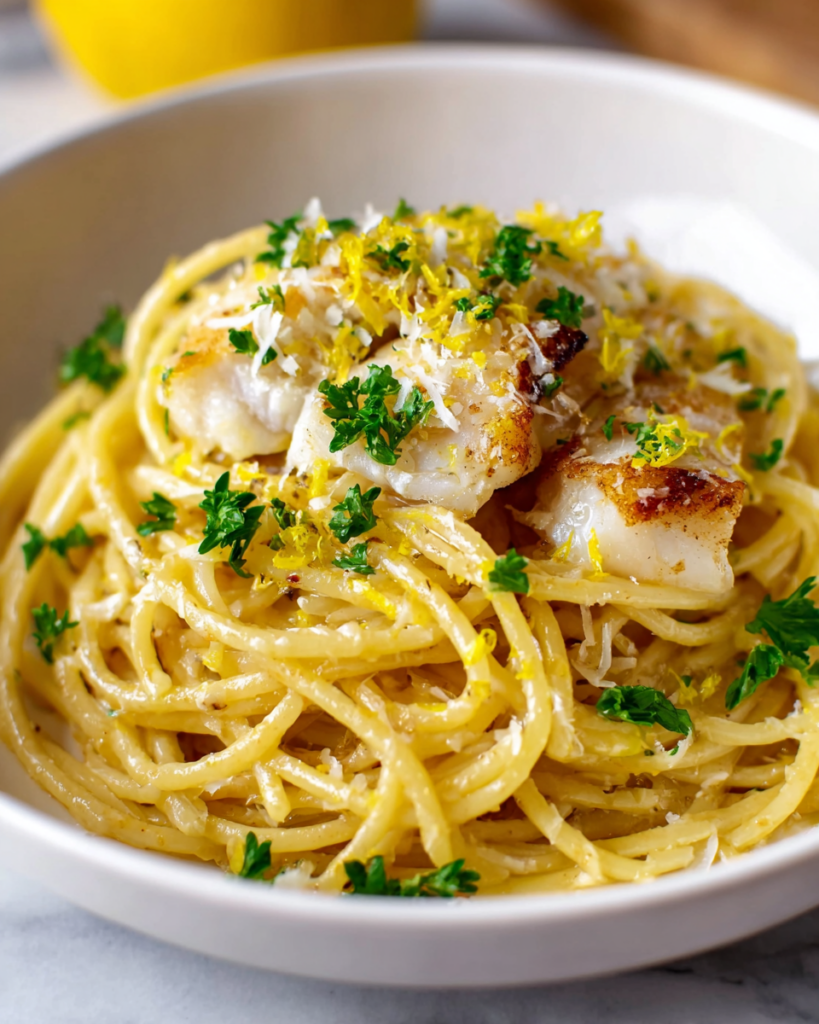
When you want a seafood pasta that feels special without asking much from your kitchen, this is the kind of meal to make. It comes together with a short ingredient list, a straightforward method, and flavors that stay clean and balanced.
The combination works so well because the fish is mild and delicate, while the lemon and garlic bring lift and depth without overwhelming it. A little pasta water helps the sauce cling to the noodles, so every bite tastes light but still complete.
This is also a smart choice when you want something that looks elegant on the plate but is still very practical. You are not dealing with a heavy cream sauce or a long simmer, just simple steps that let the ingredients do the work.
What You Need to Make This Mahi Mahi With Pasta
Mahi-mahi fillets bring the heart of the dish, giving you tender, flaky pieces of fish that hold up nicely once cooked and broken into bite-sized chunks.
Spaghetti gives the meal structure and keeps the sauce feeling light and familiar. Long pasta works especially well here because it catches the lemony oil beautifully.
Garlic builds the main savory flavor in the sauce. It is gently cooked until lightly golden, which gives the dish warmth and aroma without making it taste heavy.
Extra virgin olive oil forms the base of the sauce and carries the lemon and garlic through the pasta. Since the sauce is simple, the oil matters.
Lemon juice and zest add the fresh, bright finish that keeps the whole dish lively. The juice sharpens the sauce, while the zest adds fragrance right at the end.
Salt seasons the sauce and helps bring the lemon and garlic into balance.
Avocado oil is used for cooking the fish because it handles the heat well and keeps the mahi-mahi from sticking too easily.
Parsley adds a fresh finishing touch and a little color, making the pasta feel even lighter.
Parmesan cheese is optional, but a small sprinkle can add a savory edge that works well with the lemon and fish.
Cooking Steps
STEP 1: Bring a large pot of water to a boil and cook the spaghetti until al dente according to the package directions. Before draining, save a little pasta water so the sauce can come together smoothly later.
STEP 2: Heat the avocado oil in a skillet over medium-high heat and cook the mahi-mahi until it turns opaque and flakes easily. Turn it once, then gently separate it into smaller pieces so it is ready to scatter over the pasta.
STEP 3: In another pan, warm the olive oil with the minced garlic over low to medium heat. Let it cook slowly, stirring now and then, until the garlic turns lightly golden and fragrant.
STEP 4: Stir the salt, lemon juice, and reserved pasta water into the garlic oil. Mix until the sauce looks blended and slightly glossy.
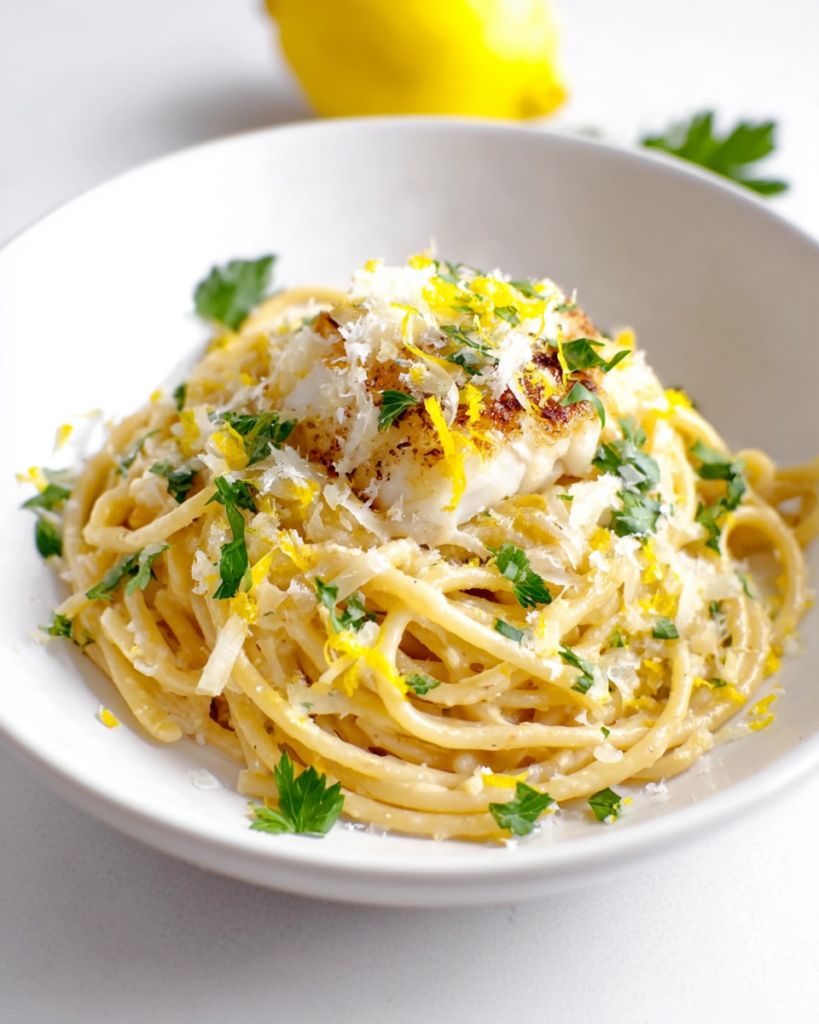
STEP 5: Arrange the cooked spaghetti on plates or in a serving bowl, then top it with the cooked mahi-mahi. Spoon the lemon garlic sauce all over so the fish and pasta are coated.
STEP 6: Finish with lemon zest, chopped parsley, and a light sprinkle of Parmesan if you want an extra savory note. Serve right away while the pasta is warm and the sauce is fresh.
Serving Ideas for Mahi Mahi With Pasta
A crisp green salad is an excellent match because it keeps the meal feeling fresh and gives you a cool contrast to the warm pasta. Something simple with a light vinaigrette fits best.
Roasted or sautéed vegetables also work nicely, especially if you want to make the dinner feel a bit more complete without changing its clean flavor profile. Choose vegetables that will not overpower the lemon and garlic.
Warm bread can be a great side for this dish too. Since the sauce is light and flavorful, a piece of bread is perfect for catching what is left on the plate.
Can I use another pasta shape?
Yes, though spaghetti gives the dish its classic feel. Other long noodles will work well, and even shorter pasta can be used if that is what you have, as long as you still save a little pasta water for the sauce.
How do I know when the mahi-mahi is done?
The fish should look opaque and flake apart easily with gentle pressure. It should no longer appear translucent in the center. Since the pieces are finished in the pan and then served over hot pasta, avoid pushing the cooking too far.
Will the sauce feel too oily?
It should taste light rather than greasy when balanced with the lemon juice and pasta water. The reserved cooking water helps the oil loosen and coat the noodles more evenly, so the sauce feels smoother and less heavy.
Can I skip the Parmesan?
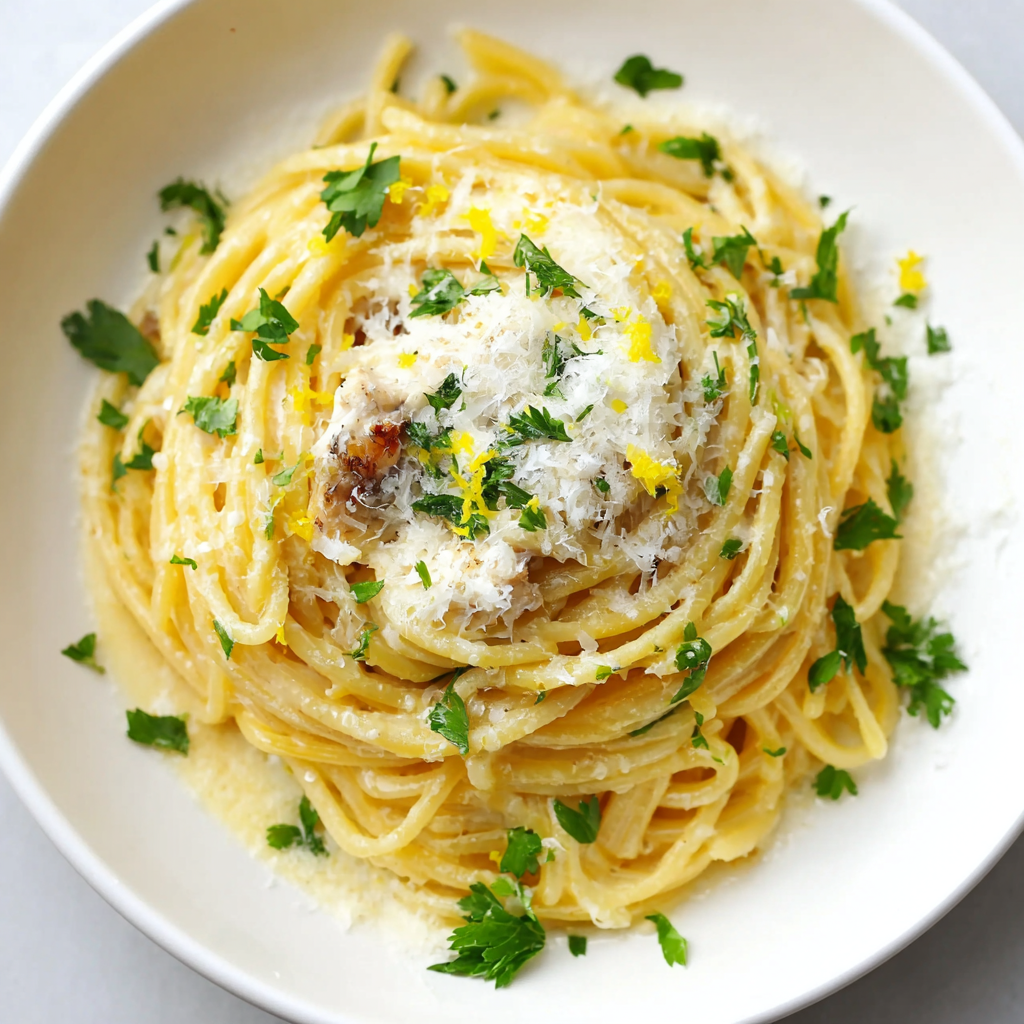
Absolutely. The pasta still works well without it because the lemon, garlic, and parsley already give it plenty of flavor. Parmesan just adds a small savory finish if you want a little extra richness.
How to Store & Reheat
Store leftovers in an airtight container in the refrigerator for up to 2 days. Because this is a light seafood pasta, it is best eaten sooner rather than later for the best texture.
For reheating, warm it gently in a skillet over low heat with a splash of water to loosen the sauce. You can also reheat it in short bursts in the microwave, but take care not to overheat the fish or it may become dry.
Freezing is not ideal for this one. The pasta can soften too much, and the fish may lose its tender texture once thawed and reheated.
Helpful Tips
- Cook the garlic gently and watch it closely so it turns fragrant and lightly golden, not dark and bitter.
- Do not overcook the mahi-mahi. Once it flakes easily and looks fully opaque, it is ready.
- Add the lemon zest at the end for the freshest flavor and aroma.
This pasta is a great example of how a short ingredient list can still deliver a dinner that feels polished. You get flaky fish, glossy noodles, and bright lemon garlic flavor in a meal that is fast enough for a weeknight but attractive enough to serve when you want something a little more special.
It also leaves room for you to make the dish your own without changing its character. Keep it simple with parsley only, or finish with a touch of Parmesan for a slightly deeper savory note. Either way, the core appeal stays the same: light pasta, tender mahi-mahi, and a sauce that brings everything together without weighing it down.
That balance is really what makes this one worth repeating. It is fresh, practical, and elegant in a very relaxed way, which is often exactly the kind of dinner you want to have in your regular rotation.
Mahi Mahi With Pasta
Ingredients
For the lemon garlic sauce:
- 3 garlic cloves finely minced
- 1 teaspoon salt
- 1/2 cup extra virgin olive oil
- zest and juice from 1/2 lemon
For the pasta:
- 1 package spaghetti
For the mahi-mahi:
- 3 to 4 mahi-mahi fillets
- 2 tablespoons avocado oil
For serving (optional):
- chopped fresh parsley
- a small sprinkle of Parmesan cheese
Instructions
- Bring a large pot of water to a boil and cook the spaghetti according to the package directions until al dente. Drain well, reserving 1/4 cup of the pasta cooking water, then set the noodles aside.
- Warm the avocado oil in a medium skillet over medium-high heat. Add the mahi-mahi fillets and cook for about 7 minutes, turning once during cooking. Use a metal spatula to gently separate the fish into bite-sized pieces, and continue cooking until the flesh is fully done and no pink remains.
- In a separate medium pan, combine the extra virgin olive oil and minced garlic over low to medium heat. Stir occasionally and cook for approximately 5 minutes, or until the garlic becomes lightly golden. Take care not to let it burn.
- Add the salt, lemon juice, and the reserved pasta water to the garlic and oil mixture. Stir thoroughly until the sauce is combined.
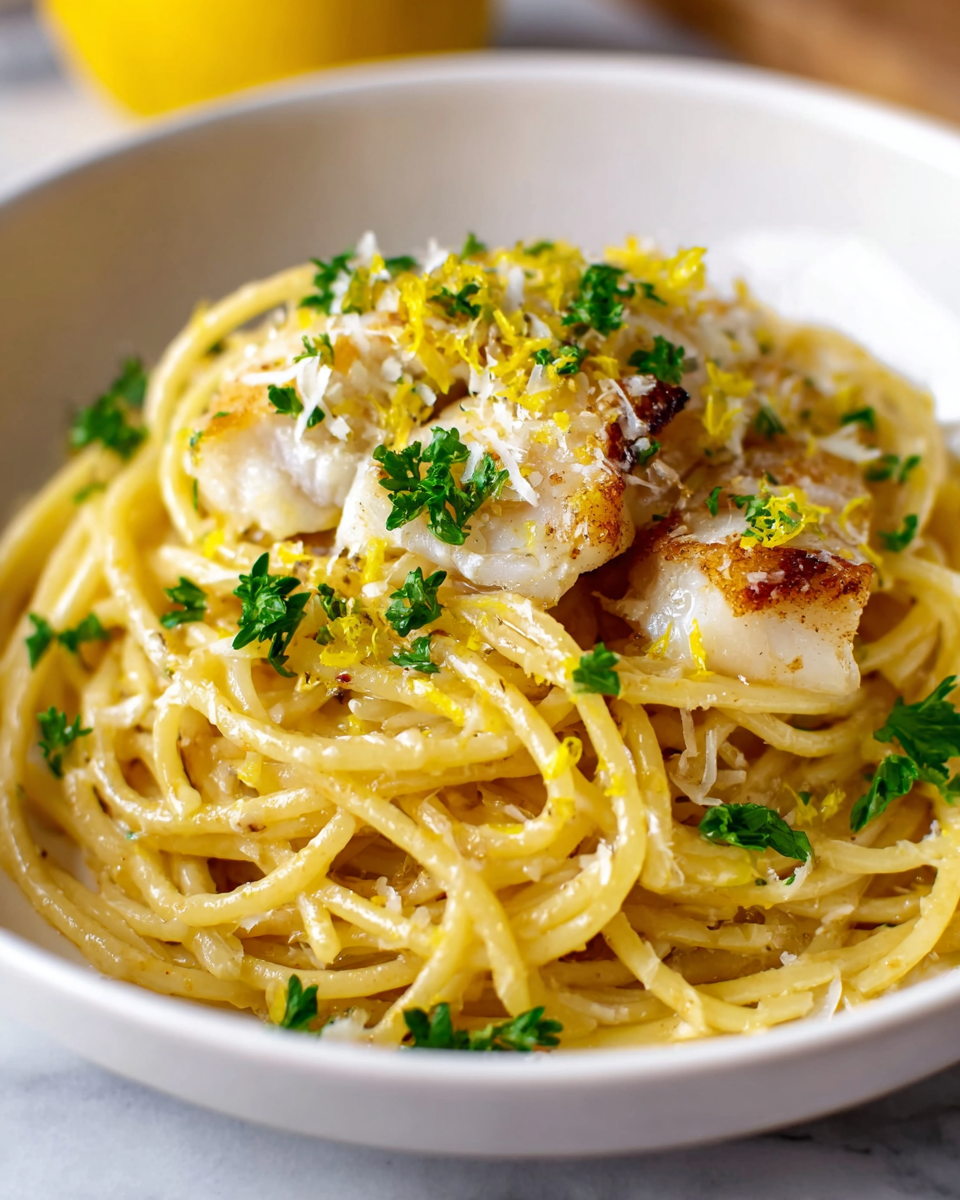
- Arrange the cooked spaghetti on serving plates and spoon the cooked mahi-mahi over the top. Pour the lemon garlic sauce over the pasta and fish.
- Finish with the lemon zest, parsley, and Parmesan cheese, as desired.


