Parmesan Pesto Fettuccine is a quick, beginner-friendly pasta that turns basil, pistachios, lemon, and grated cheese into a silky sauce for fettuccine, making it perfect for weeknight dinners, casual guests, or a bright Italian-inspired meal.
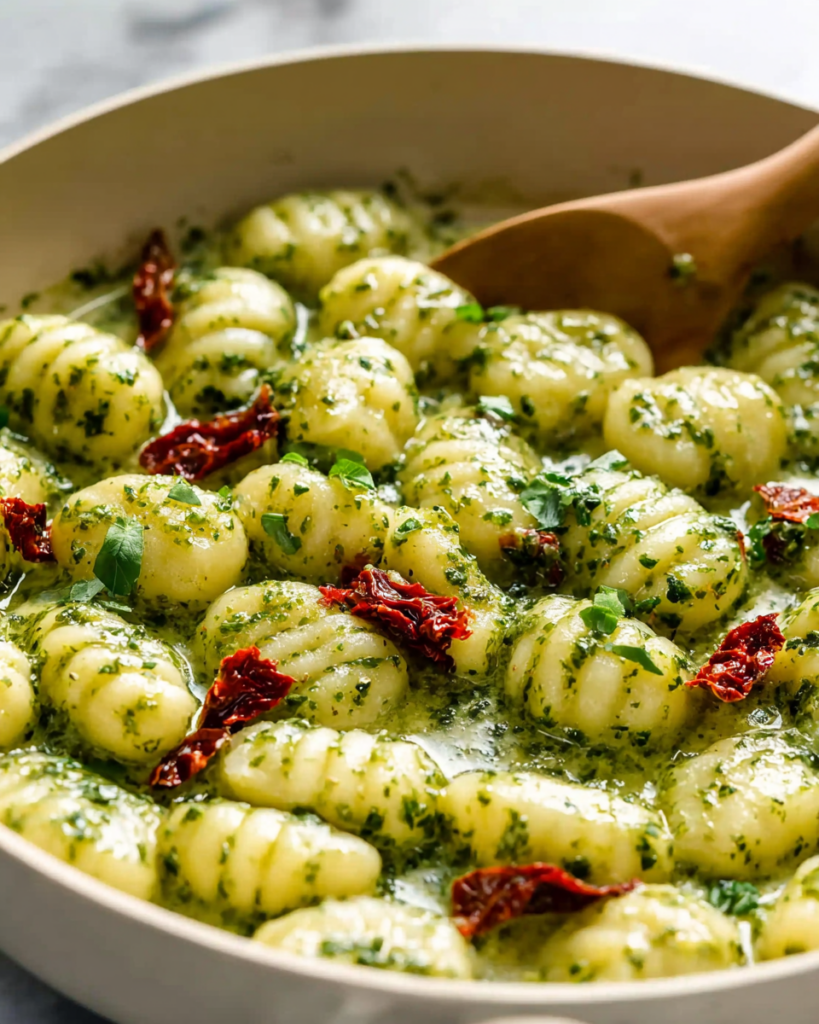
This is the kind of pasta that feels special without asking much from you. The pesto comes together fast, the sauce clings beautifully to the noodles, and the finish is fresh, savory, and full of flavor.
What makes this dish work so well is the balance. You get richness from the cheese and olive oil, brightness from lemon, and a soft nutty depth from pistachios that gives the basil a slightly more luxurious feel.
It is also wonderfully practical. You can make the pesto while the pasta cooks, loosen everything with hot pasta water, and have a bowl of glossy, restaurant-style fettuccine on the table in about twenty minutes.
Parmesan Pesto Fettuccine Ingredients
Fresh basil leaves bring the classic sweet, peppery flavor that makes the sauce taste vibrant and green.
Pistachios add body and a gentle toasted richness that makes the pesto feel a little more unexpected than the usual pine nut version.
Parmesan or Pecorino Romano gives the sauce its salty, savory backbone and helps create that creamy coating once it meets the hot pasta water.
Garlic adds sharpness and depth, but only enough to keep the pesto lively rather than overpowering.
Lemon juice brightens the sauce and keeps it from tasting too heavy, especially once the cheese and oil are blended in.
Extra virgin olive oil smooths everything out and helps the pesto blend into a silky, spoonable texture.
Fettuccine is a great choice here because the flat strands catch the pesto well and hold onto the glossy finish.
Reserved pasta water is the secret to turning a thick pesto into a light, clingy sauce instead of a heavy paste.
Fresh basil, black pepper, and extra cheese for serving sharpen the final flavor and make each bowl feel finished and balanced.
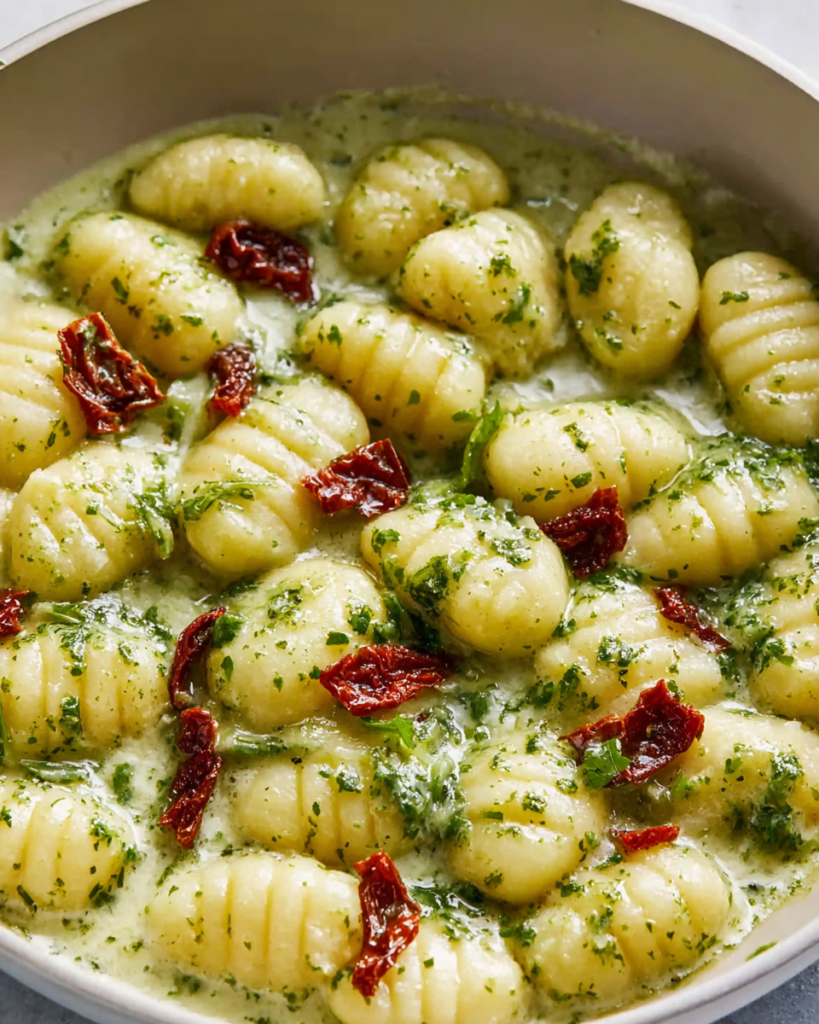
Helpful Tips
- Toast the pistachios lightly before blending if they are not already toasted. That small step brings out more flavor and gives the pesto a deeper, rounder taste.
- Do not add all the lemon juice at once unless you already know you want the full amount. Taste after the first splash so the basil and cheese still stay front and center.
- Add pasta water gradually when you toss the fettuccine. A little at a time gives you better control and helps you land on a silky texture instead of a watery sauce.
Cooking Steps
STEP 1: Start with the pesto. Add the basil, garlic, pistachios, and grated cheese to a food processor, then pulse until everything is finely chopped and beginning to look like a thick green crumble.
STEP 2: Drizzle in the olive oil and blend again just until the mixture comes together. Taste it, add some lemon juice, and pulse briefly. Give it one more taste before adding the rest so the flavor stays bright but balanced.
STEP 3: Bring a pot of water to a boil, salt it, and cook the fettuccine until it is just al dente. Before draining, scoop out plenty of the starchy cooking water because that is what will help the pesto coat the pasta smoothly.
STEP 4: Transfer the drained pasta to a large pan over low heat. Spoon in the pesto and add a splash of the reserved pasta water, then start tossing right away so the sauce begins to loosen and spread over the noodles.
STEP 5: Keep tossing with tongs or a spoon, adding more pasta water in small amounts as needed. The goal is not a thick paste sitting on top of the pasta, but a glossy, even coating that wraps around every strand.
STEP 6: Divide the fettuccine into bowls and finish with extra grated cheese, cracked black pepper, and a few fresh basil leaves. Serve it right away while the sauce is at its smoothest and most fragrant.
Perfect Pairings
A crisp green salad with lemon vinaigrette is one of the easiest ways to round out this meal. The fresh acidity keeps the pasta from feeling too rich and makes the basil flavor stand out even more.
Roasted or sautéed vegetables also work beautifully here. Asparagus, green beans, or zucchini are especially good because they keep the plate light while still feeling complete.
For something simple and cozy, add warm bread on the side. A small piece of crusty bread is perfect for catching any extra pesto that settles into the bottom of the bowl.
Can I make the pesto ahead of time?
Yes, and it is a great way to make dinner even faster. Prepare the pesto a day or two in advance, store it in a tightly sealed container, and press a thin layer of olive oil over the top to help keep the color fresh.
Why is my pesto pasta thick or clumpy?
That usually means it needs more reserved pasta water or a gentler finish over low heat. Pesto is naturally thick, so the hot starchy water is what turns it into a silky sauce that actually coats the noodles instead of sticking in clumps.
Can I use another nut instead of pistachios?
Absolutely. Walnuts, pine nuts, or even almonds can work well in this style of pasta. The flavor will shift a bit, but the recipe still keeps the same bright, cheesy basil profile as long as you blend the sauce until smooth.
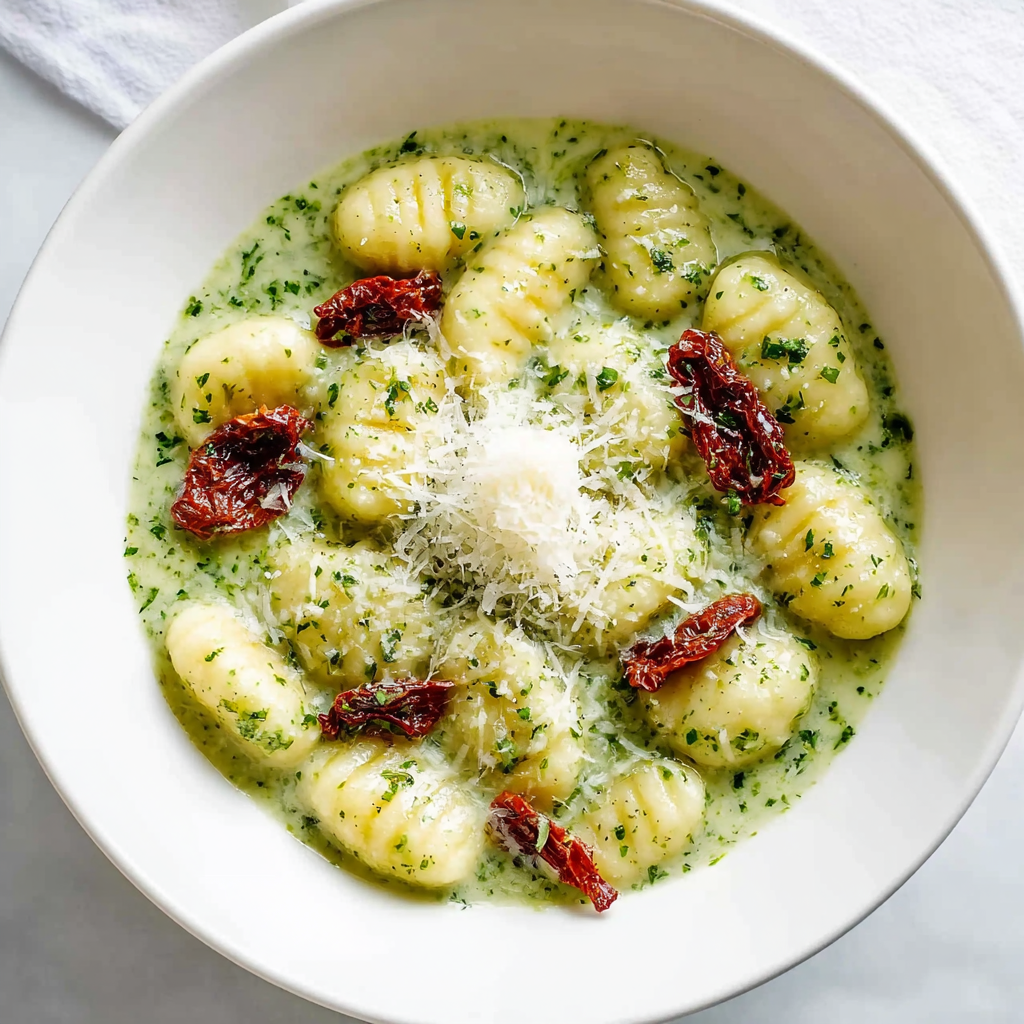
Is Parmesan or Pecorino better for this pasta?
Both are good, so it comes down to the flavor you want. Parmesan gives you a nuttier, mellow finish, while Pecorino Romano makes the dish saltier and sharper. Many cooks like using a mix for a balance of both.
Can I use a different pasta shape?
Yes, although fettuccine is especially nice because the broad strands hold the pesto so well. Tagliatelle, linguine, spaghetti, or even short pasta like fusilli can still work if that is what you already have in your kitchen.
Keeping Leftovers Fresh
Store leftover pasta in an airtight container in the refrigerator for up to 3 days. The sauce will thicken as it sits, which is completely normal.
To reheat, place the pasta in a skillet or saucepan over low heat with a small splash of water. Stir gently until loosened and warmed through. This brings the pesto back to a smoother texture much better than overheating it.
You can freeze the finished pasta, but the texture is usually best when enjoyed fresh or from the fridge. For make-ahead convenience, it is smarter to freeze the pesto on its own for up to 3 months, then thaw it and toss it with freshly cooked pasta when you are ready to serve.
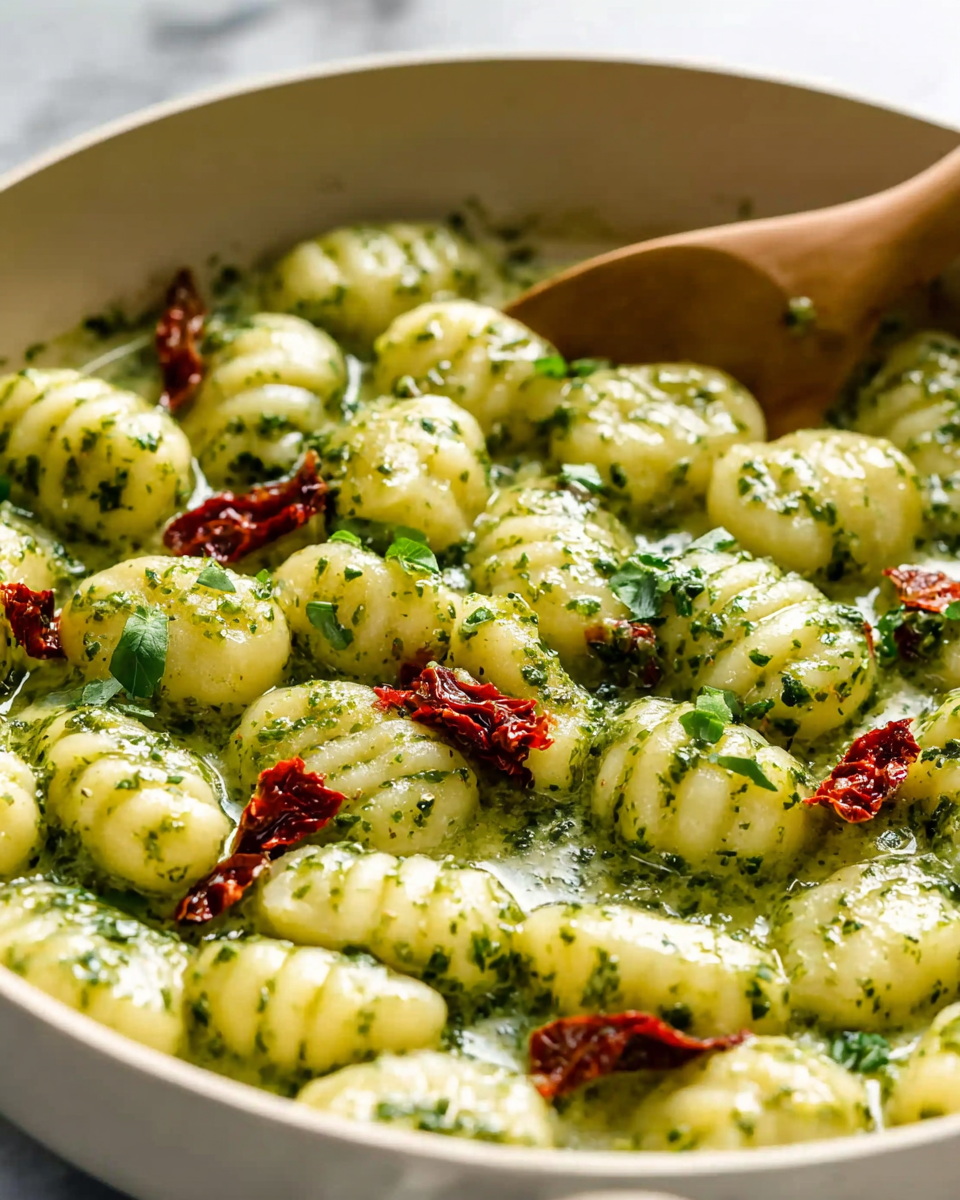
Parmesan Pesto Fettuccine
Ingredients
For the pesto:
- 3 firmly packed cups fresh basil leaves from about 3 large bunches
- 1/3 cup extra virgin olive oil preferably good-quality
- 2 tablespoons freshly squeezed lemon juice
- 2 fresh garlic cloves minced
- 1/2 cup grated Parmesan or Pecorino Romano
- 1/2 cup lightly toasted pistachios
For the pasta:
- 1 pound fettuccine
- 1 teaspoon salt
- Reserved pasta water as required
For serving:
- Extra grated Parmesan or Pecorino Romano
- Fresh basil leaves
- Freshly cracked black pepper
Instructions
- Add the basil leaves, minced garlic, pistachios, and grated cheese to the bowl of a food processor. Pulse for about 15 seconds.
- Pause and scrape down the sides of the bowl with a spatula so the mixture stays gathered near the blades.
- Pour in the olive oil and process for about 5 seconds more to further blend the pesto.
- Taste a small spoonful of the pesto, then add 1 tablespoon of the lemon juice and pulse again to combine.
- Scrape down the bowl once more, then taste again. Add the remaining tablespoon of lemon juice only if needed to adjust the flavor. Transfer the finished pesto to a small bowl and set aside.
- Cook the fettuccine in a medium saucepan of salted water according to the package directions.
- Before draining the pasta, carefully reserve 1 to 2 cups of the cooking water in a heatproof jug. Drain the fettuccine in a colander and discard the remaining water.
- Place the cooked fettuccine into a large sauté pan over low heat. Add the prepared pesto along with 1/3 cup of the reserved pasta water.
- Using kitchen tongs and a wooden spoon, toss and stir until the pesto, pasta water, and fettuccine are evenly combined and the sauce coats the strands thoroughly.
- Divide the pesto fettuccine among serving bowls.
- Finish with additional grated cheese, cracked black pepper, and fresh basil leaves before serving.