Pesto in a Blender is a quick, beginner-friendly way to make a smooth, vibrant sauce with fresh basil, toasted pine nuts, and Parmesan. It delivers bold flavor, a silky texture, and the kind of fresh homemade finish that instantly upgrades pasta, sandwiches, and snack boards.
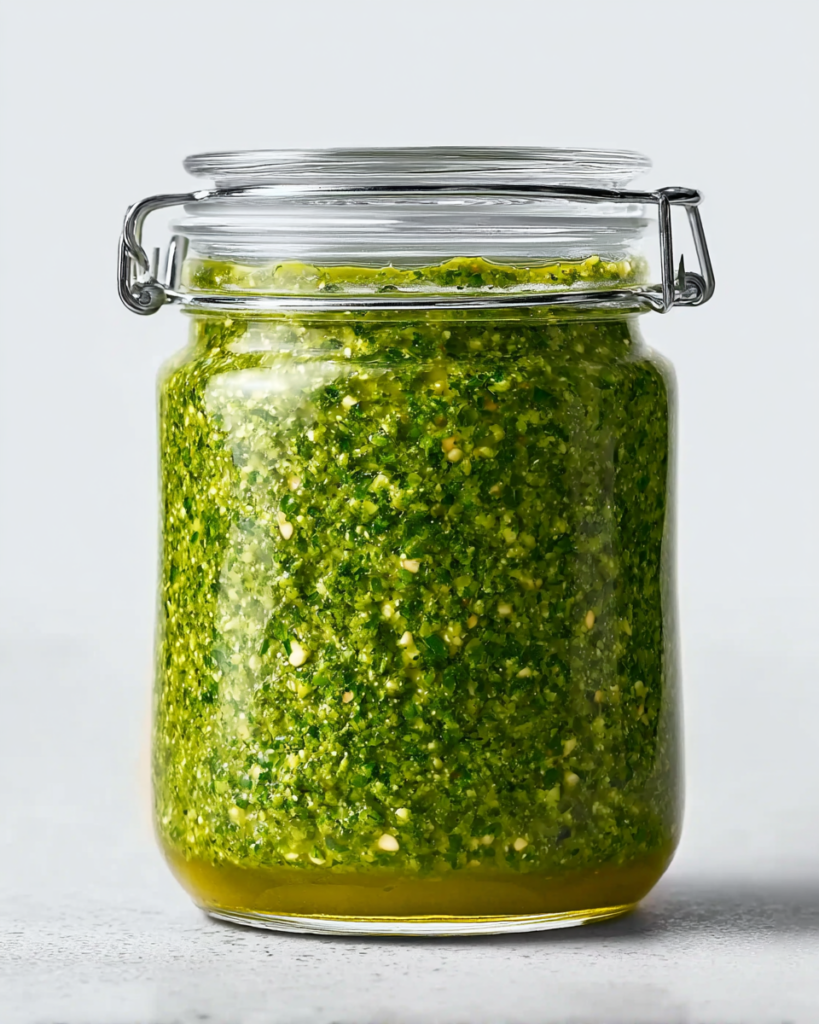
This is the kind of kitchen staple that feels far more impressive than the effort it takes. A handful of fresh ingredients and a few minutes of blending give you a sauce that tastes bright, rich, and deeply savory.
What makes this version work so well is the balance. The basil keeps it lively, the toasted pine nuts bring warmth and depth, and the Parmesan adds that salty, nutty backbone that makes pesto so satisfying.
It is also wonderfully practical. You can make it ahead, keep it in the fridge for quick meals, or freeze small portions so you always have a flavorful sauce ready to go when dinner needs a fast boost.
Pesto in a Blender Ingredients
Fresh basil leaves bring the signature color and fresh, herbaceous flavor that makes pesto taste lively instead of heavy.
Toasted pine nuts add richness and a soft, buttery nuttiness. Toasting them first gives the sauce more depth and helps the finished pesto taste fuller.
Parmesan cheese adds saltiness, body, and that savory edge that rounds everything out. Freshly grated cheese blends more smoothly and tastes cleaner.
Garlic cloves give the pesto its sharp, punchy backbone. In a small batch like this, even a few cloves make a big impact.
Extra-virgin olive oil turns the chopped mixture into a smooth sauce and gives the pesto its glossy, spoonable texture.
Sea salt sharpens the basil and cheese flavors without needing much.
Freshly ground black pepper adds gentle heat and a fragrant finish that works especially well with the basil and Parmesan.
Helpful Tips
- Toast the pine nuts just until golden and fragrant. Darker nuts can make the pesto taste slightly bitter.
- Add the olive oil in a slow stream instead of all at once so the sauce blends more evenly and stays creamy.
- Stop blending as soon as the pesto looks smooth enough for your liking. Overblending can warm the mixture and dull the fresh basil flavor.
How to Make This Pesto in a Blender
STEP 1: Add the basil, toasted pine nuts, grated Parmesan, garlic, salt, and black pepper to your blender or food processor. Pulse a few times so the mixture breaks down into a coarse, green paste rather than one solid clump.
STEP 2: Pause and scrape down the sides if needed. This small step makes a big difference because bits of cheese, nuts, or basil can stick around the edges and keep the pesto from blending evenly.
STEP 3: Turn the machine on and slowly drizzle in the olive oil. Let the blades pull the oil into the basil mixture gradually so the texture becomes smooth and cohesive instead of greasy or separated.
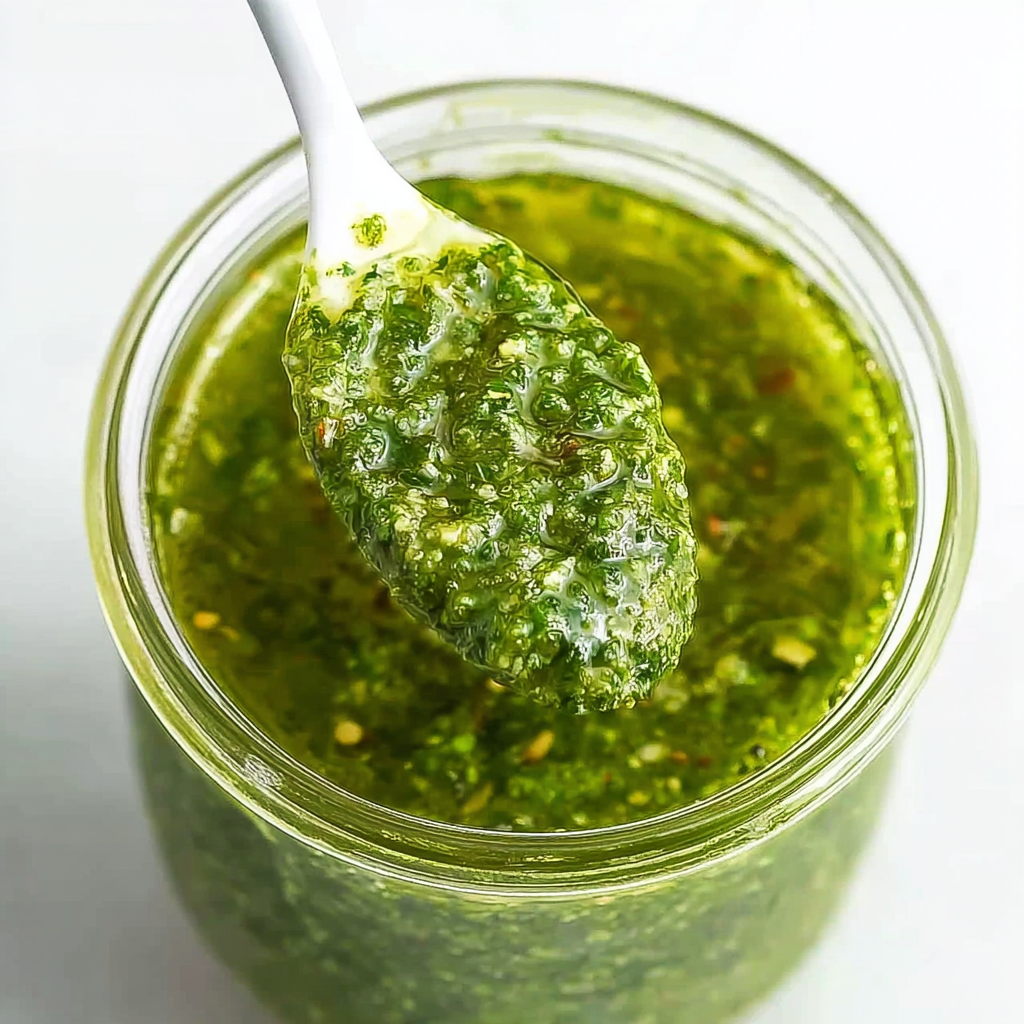
STEP 4: Blend until the pesto reaches your preferred consistency. Some people like it slightly textured for spreading on bread, while others prefer a smoother sauce for tossing with hot pasta or spooning over roasted vegetables.
STEP 5: Taste the pesto before serving. Depending on your cheese and how salty your nuts were, you may want another pinch of salt, a crack of black pepper, or a small splash more olive oil to loosen it.
STEP 6: Use it right away or transfer it to a clean airtight container. A thin layer of olive oil on top helps protect the surface and keeps the pesto looking fresh while it sits in the refrigerator.
How to Store & Reheat
Pesto does not need reheating in the usual sense, but it does store very well when handled properly. Keep it in an airtight container in the refrigerator for up to 3 days. For the freshest color, press it down gently and add a light film of olive oil across the top before closing the lid.
For longer storage, freeze it for up to 3 months. Small portions work especially well here. Spoon the pesto into an ice cube tray or small containers so you can thaw only what you need. Let it defrost in the refrigerator or at room temperature for a short time, then stir before using. If it seems thick after chilling, loosen it with a little olive oil.
Serving Ideas for Pesto in a Blender
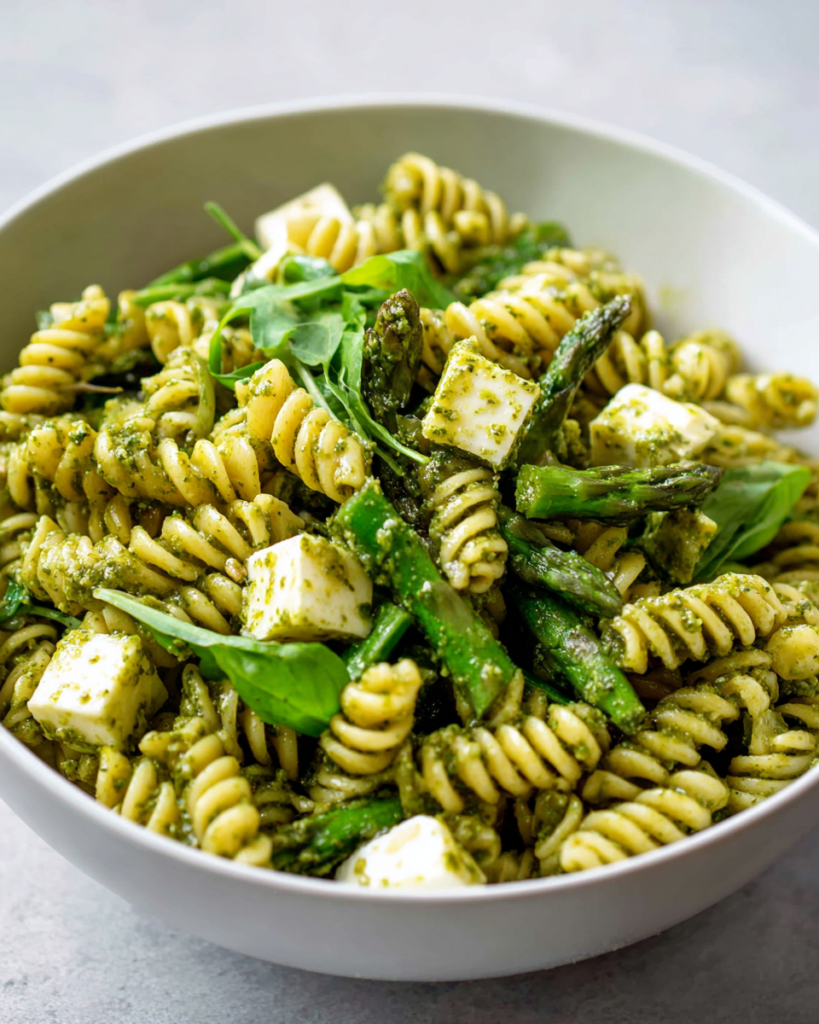
Toss it with hot pasta and a splash of pasta water for a quick dinner that tastes polished without much effort. The warm noodles help the sauce coat evenly and turn silky.
Spread it into sandwiches or wraps when you want something brighter than plain mayonnaise or butter. It pairs especially well with mozzarella, tomato, grilled chicken, or roasted vegetables.
Serve it as a dip with raw vegetables, crackers, or slices of toasted bread. A small bowl of homemade pesto can make a simple snack board feel much more special.
Can I make pesto in a blender instead of a food processor?
Yes, absolutely. A blender works very well for pesto, especially if you want a smoother sauce. You may need to stop once or twice to scrape down the sides more often than you would with a food processor, but the final flavor is just as delicious.
What should I do if my pesto is too thick?
Add a little more olive oil, one small drizzle at a time, and blend again until it loosens. If you are using it for pasta, you can also thin it with a spoonful of warm pasta water for a lighter, silkier finish.
How do I keep basil pesto from turning dark?
The best way is to limit air exposure. Store it in a tightly sealed container and smooth a thin layer of olive oil over the top. That simple barrier helps preserve the bright green color and keeps the surface from oxidizing too quickly.
Can I freeze this pesto?
Yes, and it freezes beautifully. Portioning it into small amounts makes it especially convenient because you can thaw only what you need for one meal. Once defrosted, stir it well and adjust with a touch of olive oil if the texture needs smoothing out.
Can I use this pesto for more than pasta?
Definitely. It is one of the most flexible sauces you can keep in your kitchen. Spoon it over grilled vegetables, spread it on sandwiches, swirl it into soups, or use it as a finishing sauce for potatoes, chicken, or grain bowls when a meal needs a fast hit of flavor.
Pesto in a Blender
Ingredients
- 1/2 cup extra-virgin olive oil
- 3 small garlic cloves peeled
- 2 ounces Parmesan cheese freshly grated
- 1/2 teaspoon freshly ground black pepper
- 3 ounces packed basil leaves
- 1.75 ounces pine nuts toasted until golden
- 1/2 teaspoon sea salt
Instructions
- Add the basil leaves, grated Parmesan, toasted pine nuts, garlic cloves, sea salt, and black pepper to a blender or food processor. Pulse several times until the mixture is thoroughly chopped and begins to come together into a coarse paste.
- With the machine running, slowly pour in the extra-virgin olive oil. Continue blending until the pesto becomes smooth and evenly combined. Stop as needed to scrape down the sides, then pulse again to fully incorporate any bits clinging to the bowl or blender jar. For a looser texture, blend in a little more olive oil until the desired consistency is reached.
- Use the pesto immediately with pasta, sandwiches, or fresh vegetables. To store, spoon it into an airtight container and refrigerate for up to 3 days, or freeze for up to 3 months.
Notes
Freshly ground black pepper provides a more fragrant finish.
Additional olive oil may be added gradually for a thinner pesto.