Quick, fragrant, and beginner-friendly, Pesto Rice turns simple pantry staples into a flavorful side with toasted basmati, basil richness, bright lemon, and a subtle balsamic finish. It works beautifully for weeknight dinners, meal prep, and fresh spring or summer menus.
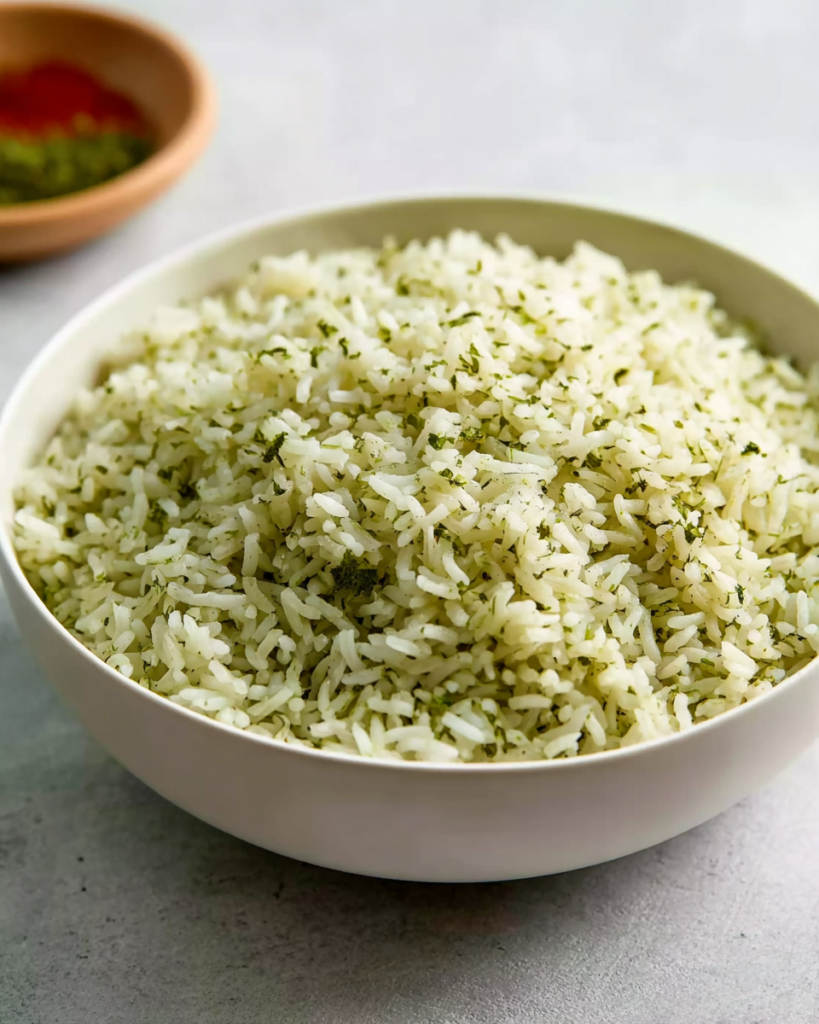
When you want something a little more interesting than plain rice but still easy enough for a busy evening, this is the kind of dish that delivers. It feels a touch more special without asking for much extra work.
The real magic is in the order of the cooking. Toasting the grains first gives them a lightly nutty depth, so the finished dish tastes layered instead of flat. The rice stays savory and aromatic, with each spoonful carrying a little basil flavor.
A final squeeze of lemon keeps everything lively, while the small amount of balsamic rounds out the pesto with a gentle, balanced finish. It is simple, but it tastes like you paid attention to the details.
Pesto Rice Ingredients
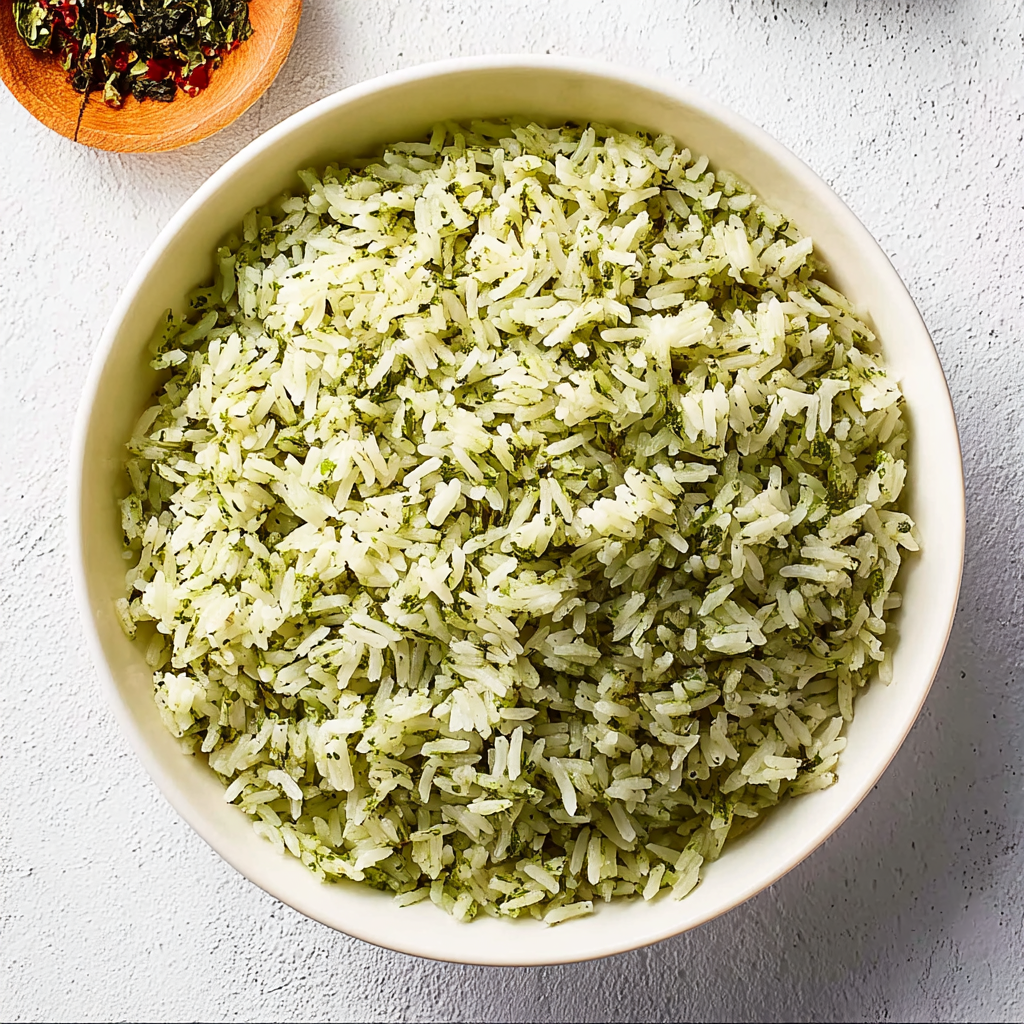
Basmati rice gives you long, light grains and a naturally fragrant base. It is a great fit here because it stays fluffy and lets the pesto coat the rice without turning heavy.
Basil pesto is the ingredient that carries most of the flavor. Whether you use homemade or a good store-bought version, it brings herbiness, richness, and that savory Parmesan-and-garlic character that makes this dish so appealing.
Avocado oil or olive oil helps toast the rice before the liquid goes in. Avocado oil keeps the flavor more neutral, while olive oil adds a slightly richer, fruitier note.
Water keeps the method simple and lets the pesto stay front and center. Since the sauce already has bold ingredients, plain water is enough to cook the rice well.
Lemon juice is added at the end for brightness. That little bit of acidity lifts the basil flavor and keeps the overall dish from tasting too rich.
Balsamic vinegar may seem minor, but it gives the rice a more rounded flavor. It adds just enough depth to support the pesto without making the rice taste sweet or sharp.
Salt is the final adjustment. The exact amount can vary depending on how seasoned your pesto is, so it is best added carefully at the end after tasting.
Cooking Steps
STEP 1: Rinse the basmati rice until the water runs mostly clear. This helps wash away excess surface starch so the cooked grains stay lighter and more separate instead of clumping together.
STEP 2: Warm the oil in a large nonstick skillet over medium heat, then add the rinsed rice. Stir it often for a few minutes until the grains look a little glossy and smell lightly nutty. You are not trying to brown it deeply, just build flavor.
STEP 3: Stir in the pesto, water, and balsamic vinegar until the rice is evenly coated and the pesto is dispersed through the liquid. Once everything is combined, cover the pan with a tight lid so the rice can cook gently and evenly.
STEP 4: Let the rice simmer until the liquid is absorbed and the grains are tender. Avoid lifting the lid too often, since trapped steam is what helps the rice cook through properly and stay fluffy.
STEP 5: Take the pan off the heat, drizzle in the lemon juice, and let the rice sit briefly before fluffing it with a fork. This short rest helps the moisture settle and keeps the texture lighter when you stir.
STEP 6: Taste and season with salt as needed, then serve warm. For the rice cooker version, the same flavor combination works well there too: lightly toast the rice first if your machine allows it, then cook with the pesto mixture and finish with lemon after the cycle ends.
Serving Ideas for Pesto Rice
This rice is especially good next to simple proteins. Grilled chicken, baked chicken cutlets, or lemony chicken thighs all pair well because they let the basil flavor stay noticeable without competing with it.
It also works beautifully with seafood. Think baked salmon, sautéed shrimp, or a mild white fish with a little garlic and lemon. The herby rice makes the plate feel more complete without needing a complicated sauce.
For a meatless meal, serve it with roasted vegetables, white beans, or a crisp tomato salad. Because the rice already has savory depth, you can keep the rest of the plate fresh and uncomplicated.
Can I make this in a rice cooker?
Yes, and it is a very convenient option. If your rice cooker has a sauté setting, toast the rice briefly in the oil first. Then add the pesto, water, and balsamic, cook as usual, and stir in the lemon juice after the cycle finishes.
What kind of pesto works best?
Classic basil pesto is the best fit because it gives the rice the fresh, herby flavor the dish is built around. A thicker pesto usually coats the grains better than a very oily one, so the finished rice tastes evenly seasoned.
Can I use another kind of rice?
You can, but the liquid and timing may need to change. Jasmine rice will be the easiest swap and still cooks fairly similarly. Brown rice takes longer and usually needs more liquid, so it is not a straight one-to-one substitute.
How do I keep the rice from turning sticky?
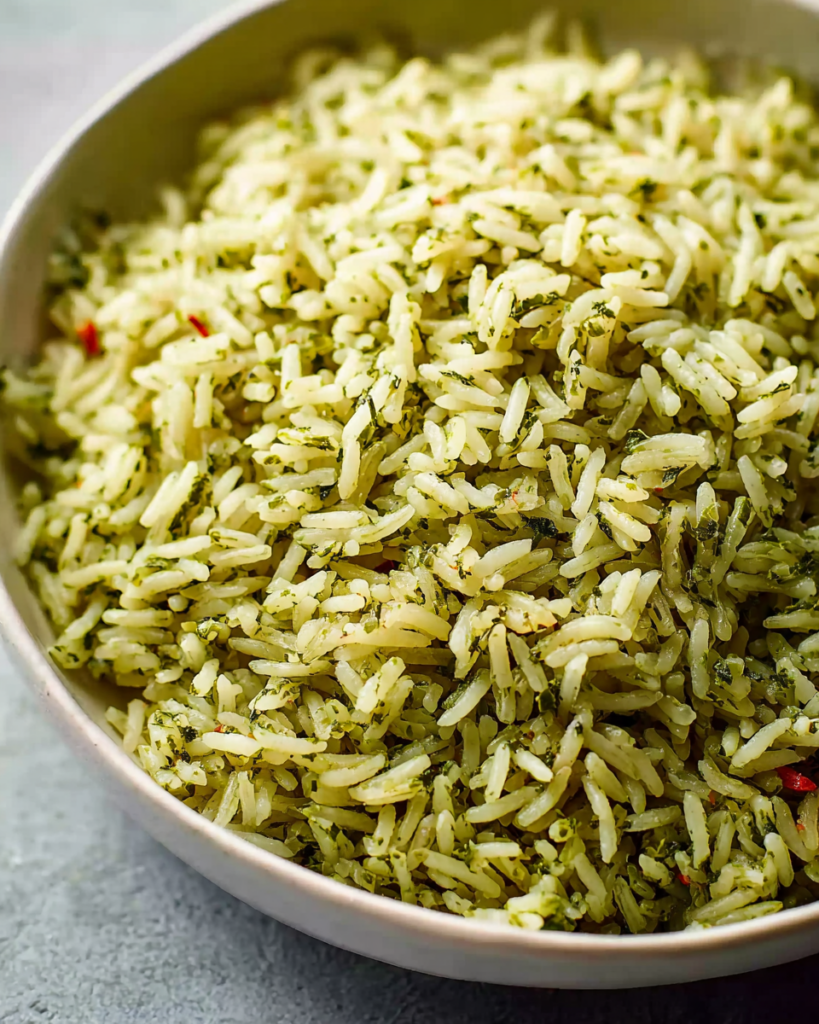
The biggest helps are rinsing the rice well, toasting it before adding liquid, and fluffing it with a fork instead of stirring it aggressively with a spoon. Letting it rest off the heat for a few minutes also improves the texture.
Recipe Tips
- Taste your pesto before cooking. Some versions are saltier or more garlicky than others, so that will affect how much extra salt the rice needs at the end.
- Keep the heat moderate while toasting the grains. You want a gentle nutty aroma, not dark spots or scorched rice.
- Add the lemon juice after cooking, not before. That keeps the flavor brighter and fresher in the finished dish.
How to Store & Reheat
Leftovers keep well in the refrigerator for up to 4 days in an airtight container. The flavor stays pleasant, and the rice makes a very good meal-prep side for lunches or quick dinners.
For longer storage, freeze portions in well-sealed containers for up to 1 month. The texture is best when frozen in smaller portions, since they thaw and reheat more evenly.
To reheat, add a small splash of water to help loosen the grains, then warm the rice gently in the microwave or in a covered skillet on low heat. Fluff before serving, and add a tiny extra squeeze of lemon if you want to wake the flavors back up.
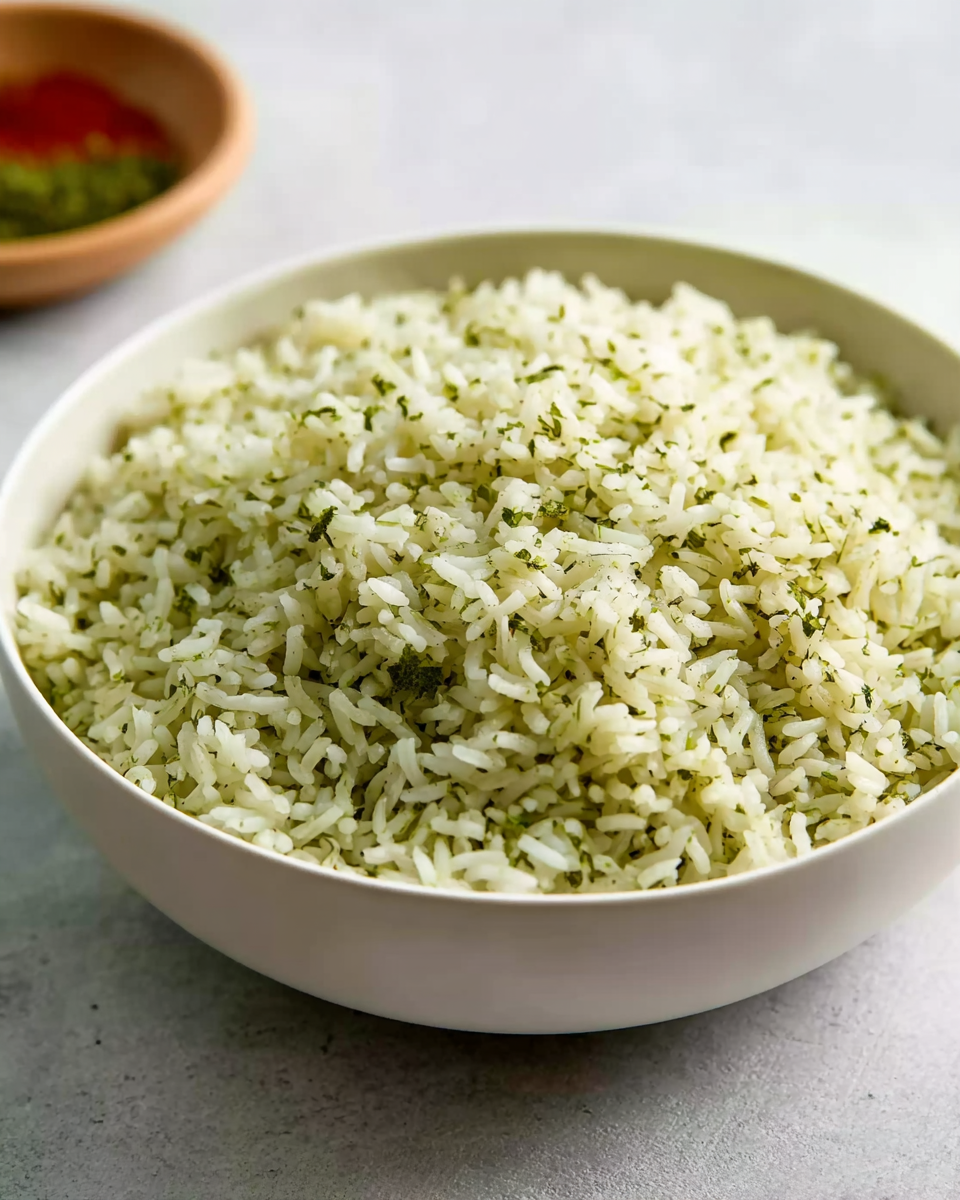
Pesto Rice
Ingredients
- 2 teaspoons lemon juice
- 1 tablespoon avocado oil or olive oil
- 1 cup basmati rice rinsed until the water runs clear
- 2 cups water
- 1/4 teaspoon salt or to taste
- 1/4 cup basil pesto sauce
- 1 teaspoon balsamic vinegar
Instructions
Skillet Method
- Place the oil and rinsed basmati rice in a large non-stick skillet over medium heat. Stir often and cook for 4 to 5 minutes, allowing the rice to toast evenly without scorching. This step builds a deeper, lightly nutty flavor.
- Add the pesto, water, and balsamic vinegar to the skillet. Stir until the ingredients are well combined, then cover with a tight-fitting lid.
- Let the rice simmer for 20 to 25 minutes, or until the grains are tender and the liquid has been fully absorbed.
- Remove the skillet from the heat and drizzle the lemon juice over the cooked rice. Gently fluff with a fork to separate the grains, then season with salt to taste before serving.
Rice Cooker Method
- Add the oil and rinsed rice to the rice cooker insert. Sauté for 2 to 3 minutes to lightly toast the grains and develop additional flavor.
- Stir in the pesto, water, and balsamic vinegar. Close the lid securely and begin the cooking cycle.
- Allow the rice cooker to complete its cycle so the rice cooks fully and absorbs the seasoned liquid.
- When the rice is done, carefully open the cooker and add the lemon juice. Fluff the rice with a fork for a light texture, then season with salt to taste and serve.


