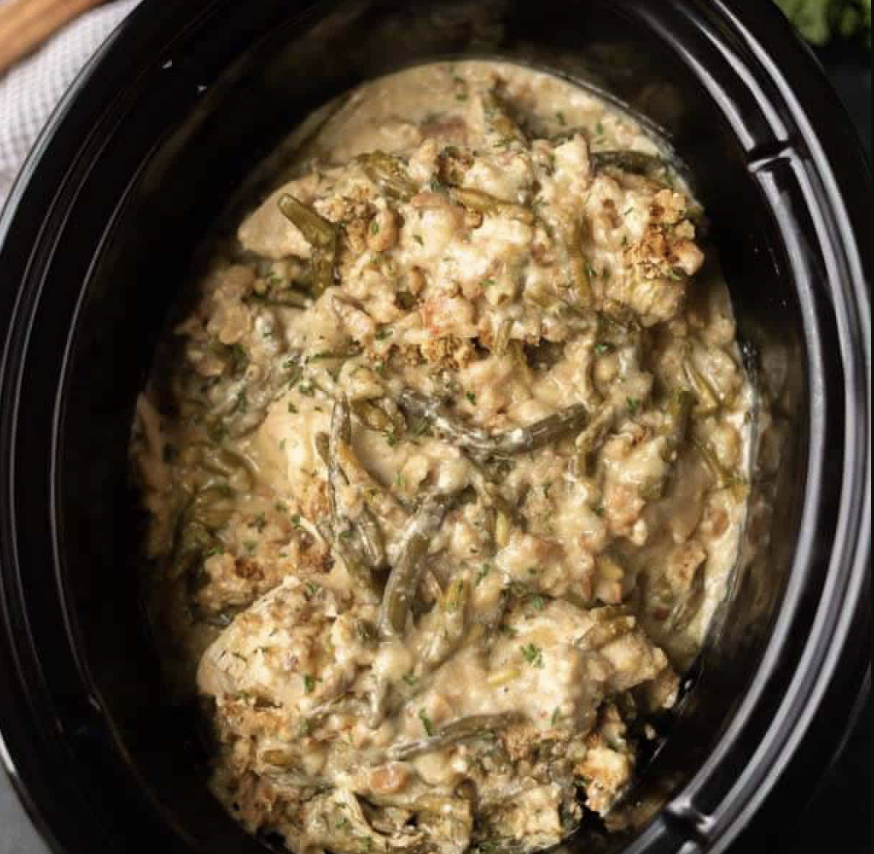
Pineapple Kesari is a quick, rich semolina dessert with buttery ghee, soft fruit, and warm cardamom. It is a dependable sweet for festive meals, weekend cravings, and simple homemade dessert plates that need bright flavor without complicated work.
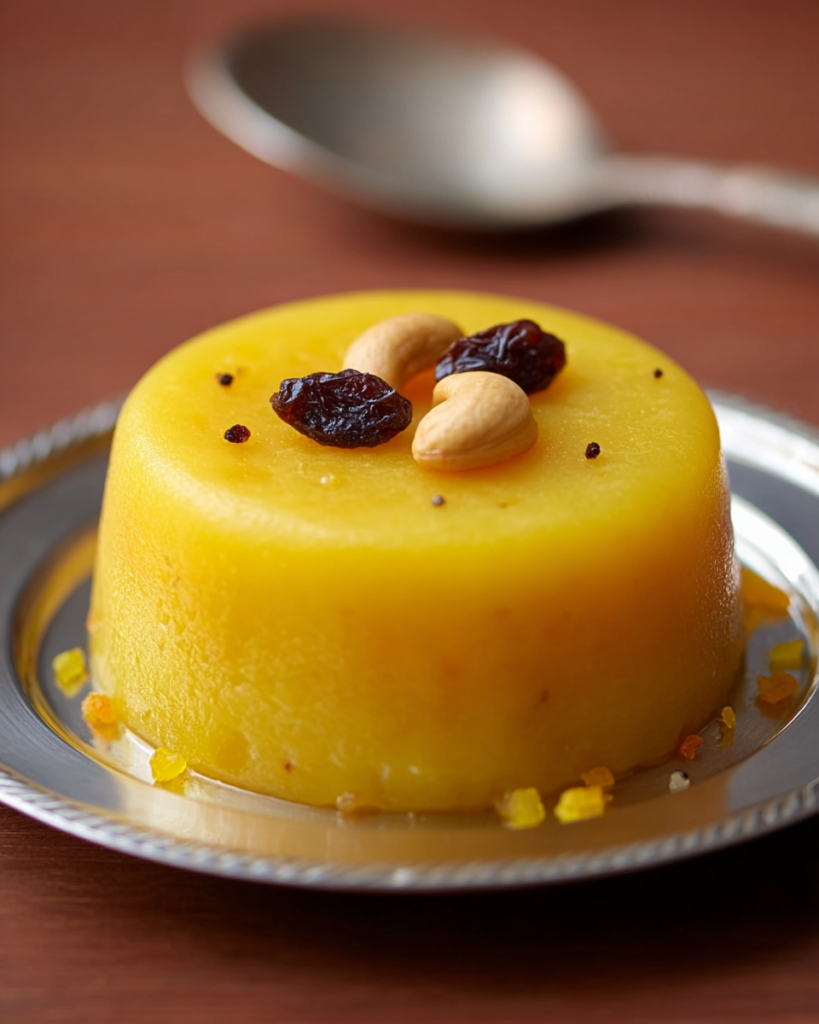
This is the kind of dessert that feels special even though the method is straightforward. You roast, stir, and let the ingredients come together into a soft, glossy sweet that smells incredible in your kitchen.
The pineapple makes this version especially inviting. It adds gentle fruitiness and a little freshness that balances the richness of the ghee and sugar, so the final dish tastes full without feeling heavy.
It also works beautifully for real life. You can serve it warm for guests, make it for a family dessert, or bring it out during celebrations when you want something traditional with a lively twist.
What You Need to Make This Pineapple Kesari
Fresh pineapple gives the dessert its signature fruity flavor and a light tang that keeps the sweetness balanced.
Coarse semolina (rawa) creates the classic kesari texture, soft and spoonable with just enough body.
Sugar sweetens the mixture in stages, which helps the pineapple cook down first before the dessert fully comes together.
Ghee is what makes the kesari rich, aromatic, and silky. It also helps the semolina roast properly and keeps the final texture luscious.
Cardamom powder adds that warm, sweet spice note that makes the dessert smell instantly festive.
Cashews bring a buttery crunch that contrasts nicely with the softness of the semolina.
Raisins add little pockets of sweetness and a tender bite once they plump in hot ghee.
Water hydrates the semolina and helps the pineapple soften into the mixture without making the dessert heavy.
Yellow food color, optional is purely for appearance and gives the kesari a more traditional golden look.
One of the reasons this dessert is so reliable is that every ingredient has a clear role. The semolina gives structure, the ghee brings shine and richness, and the pineapple adds a fresh note that keeps the sweetness from tasting flat. Freshly ground cardamom makes a noticeable difference too, especially in a simple dessert where aroma matters so much.
Cooking Steps
STEP 1: Begin by roasting the cashews and raisins in a little ghee over low heat. As soon as the cashews turn golden and the raisins swell, remove them so they stay glossy and do not overbrown.
STEP 2: In the same pan, roast the semolina gently until it smells nutty and warm. This step is important because it deepens the flavor and helps the final kesari stay soft instead of tasting raw or pasty.
STEP 3: In a separate kadai or deep pan, warm a small spoonful of ghee and sauté the chopped pineapple just until fragrant. This softens the fruit slightly and helps its flavor spread more evenly through the dessert.
STEP 4: Add water and the first portion of sugar to the pineapple, then bring it to a boil. Giving the pineapple a few minutes in this sweetened liquid helps mellow any sharp tartness and builds a smoother fruit base.
STEP 5: Sprinkle in the roasted semolina gradually while stirring constantly. Slow addition matters here because it lets the grains absorb the liquid evenly, which keeps the mixture smooth and free from lumps.
STEP 6: Once the semolina starts to thicken, stir in the remaining sugar and the optional food color. The mixture will loosen slightly at first, then turn glossy again as the sugar melts and everything cooks together.
STEP 7: Pour in the rest of the ghee and continue stirring over low heat until the kesari looks soft, rich, and well blended. Cover briefly to let it finish cooking gently so the grains become tender without drying out.
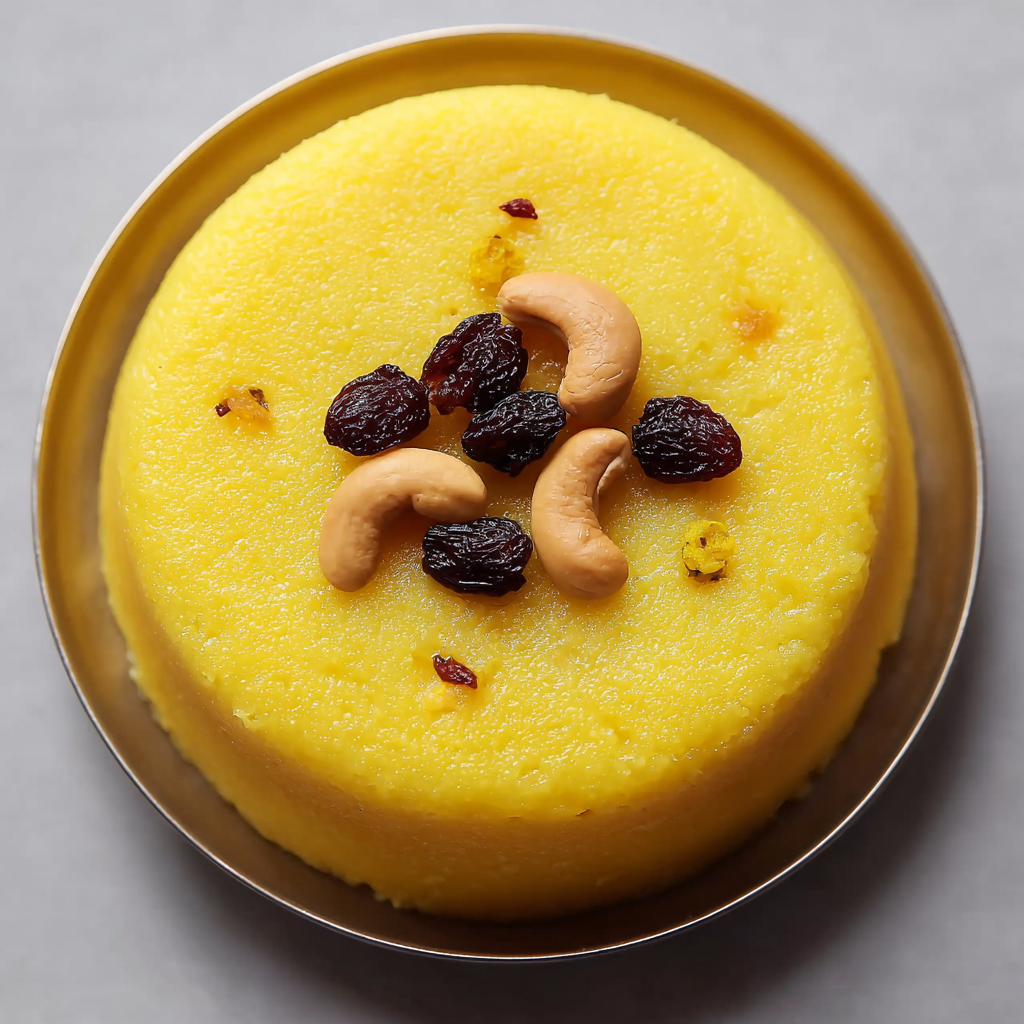
STEP 8: Fold in the roasted cashews, raisins, and cardamom right at the end. Serve warm for the softest texture and the fullest aroma, with a few extra nuts and raisins on top if you want a polished finish.
Can I use canned pineapple instead of fresh?
Yes, but fresh pineapple gives a brighter flavor and better aroma. If you use canned pineapple, drain it well and choose pieces packed in juice rather than heavy syrup so the dessert does not become overly sweet.
How do I keep kesari from turning lumpy?
The key is adding the roasted semolina slowly while stirring without stopping. A steady hand and gradual pouring help each bit absorb the hot liquid before the next addition goes in, which keeps the texture smooth and even.
Helpful Tips
- Roast the semolina on low heat and do not rush it. A patient roast gives better flavor and a softer finish.
- Add the ghee in stages rather than all at once. That makes the kesari feel rich without becoming greasy.
- Use freshly ground cardamom when possible. In a simple dessert like this, that extra fragrance really stands out.
Can I make pineapple kesari ahead of time?
Yes. It is very good made a few hours ahead and gently rewarmed before serving. The flavors settle nicely, and a small spoonful of ghee or a splash of hot water helps bring back its soft texture.
Why is my kesari too thick or too loose?
Texture usually comes down to heat and timing. If it gets too thick, stir in a little hot water or warm ghee. If it seems loose, keep cooking on low for another minute or two until the semolina fully absorbs the liquid.
Perfect Pairings
- Serve it after a South Indian meal with masala dosa, upma, or savory snacks for a sweet finish.
- Pair it with hot chai or filter coffee when you want a simple afternoon treat.
- Add a small bowl to a festive spread with other Indian sweets for a dessert table that feels varied and welcoming.
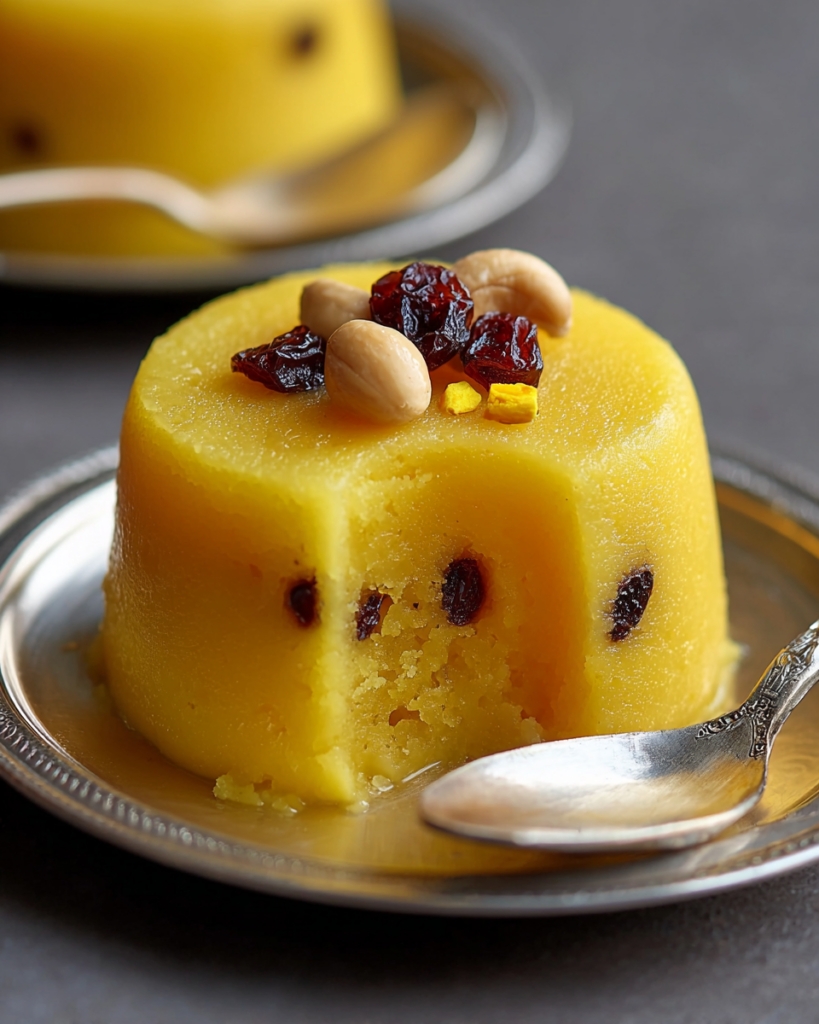
This dessert is especially nice when served warm rather than hot. Warm kesari feels softer, the ghee tastes rounder, and the pineapple comes through more clearly. For guests, spooning it into small bowls and topping each portion with a few roasted nuts makes it look thoughtful with very little extra effort.
Is the food color necessary?
Not at all. It is only there for visual appeal. The dessert will still taste wonderful without it, and many home cooks prefer to skip it and let the natural pale golden color of the roasted semolina shine through.
Keeping Leftovers Fresh
Pineapple kesari keeps well in the refrigerator for about 2 to 3 days in a covered container. As it chills, it will firm up, which is completely normal for a semolina-based dessert.
For longer storage, freeze it in small portions for up to 1 month. Wrap it well or use an airtight container so it does not pick up freezer odors. Thaw in the refrigerator overnight before reheating.
To reheat, warm it gently in the microwave or on the stovetop over low heat. Add a small splash of water or a little ghee as you stir so the texture loosens and becomes soft again. Avoid overheating, since that can make it dry and heavy.
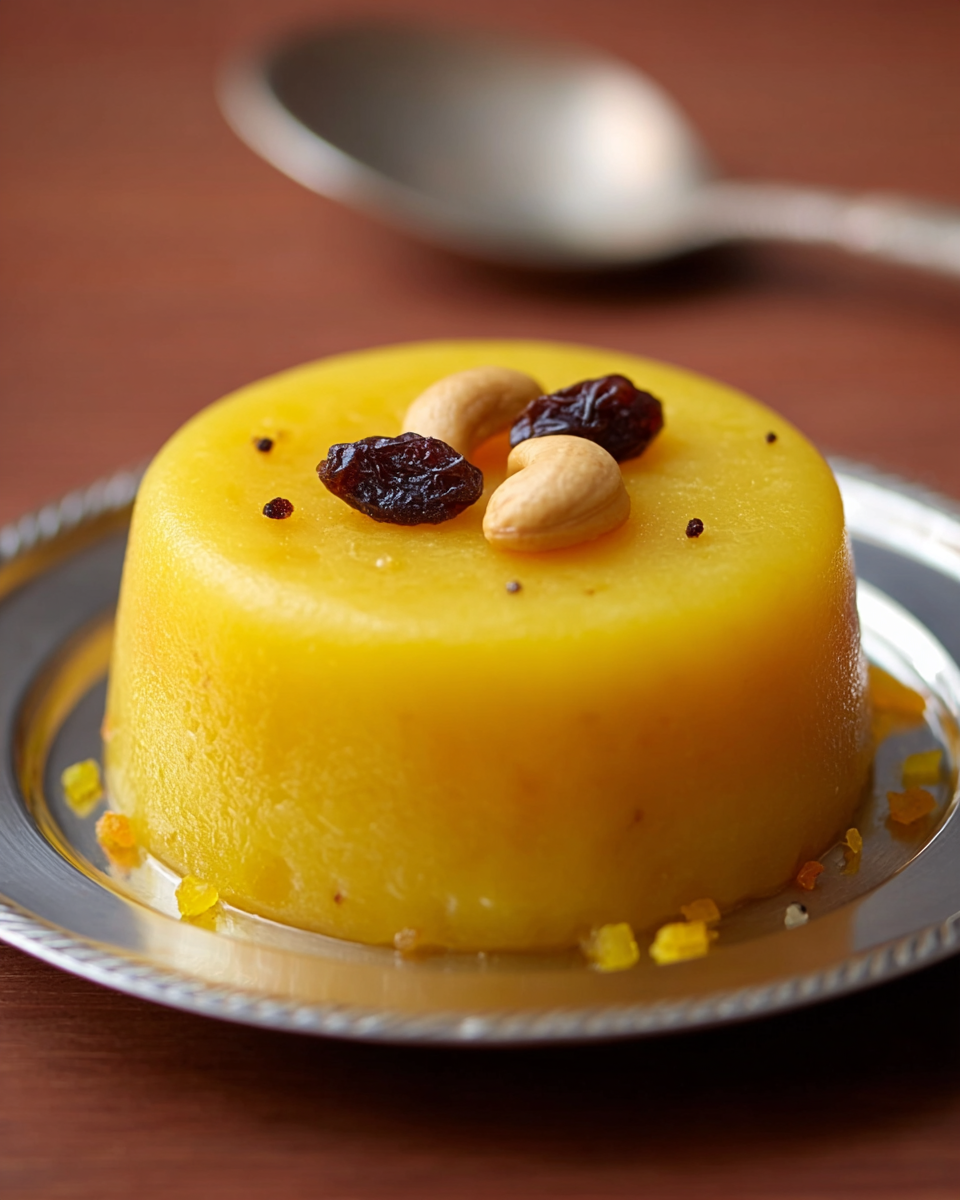
Pineapple Kesari
Ingredients
For the pineapple kesari:
- 1 cup fresh pineapple finely chopped
- 3 cups water
- 1 cup coarse semolina rawa
- 1 cup sugar divided into ¼ cup and ¾ cup
- ½ cup ghee
- 1 teaspoon ghee
- ¼ teaspoon cardamom powder preferably freshly ground
- 3 drops yellow food color optional
For roasting the dry fruits:
- 10 cashews split into halves
- 2 tablespoons raisins
- 1 tablespoon ghee
Instructions
- Heat 1 tablespoon of ghee in a pan over a low flame. Add the halved cashews and raisins, then roast them gently until the cashews turn golden and the raisins plump up. Remove them and keep aside.
- In the same pan, add the semolina along with the remaining ghee meant for roasting. Stir continuously over low heat for about 5 minutes, or until the rawa turns aromatic. Once roasted, set it aside.
- Place a large kadai on the stove and warm 1 teaspoon of ghee. Add the chopped pineapple and sauté for about 3 minutes, until it becomes fragrant.
- Add ¼ cup of the sugar along with 3 cups of water. Stir well. If the pineapple is tart, the sweetness may be adjusted slightly to balance the flavor. Cover and allow the mixture to boil for about 3 minutes, or until the pineapple softens.
- Add the roasted semolina gradually to the boiling pineapple mixture, stirring constantly so that it absorbs the liquid evenly and no lumps form.
- Once the semolina thickens, add the remaining ¾ cup sugar and the yellow food color, if using. Mix thoroughly until the sugar dissolves completely into the mixture.
- Pour in ½ cup of ghee and continue stirring until it is well incorporated. Cover the kadai and let the kesari cook on a low flame for about 5 minutes.
- Add the roasted cashews, raisins, and cardamom powder. Mix well so the flavors and garnishes are evenly distributed throughout the kesari.
- Serve the pineapple kesari warm, garnished with the roasted nuts and raisins.