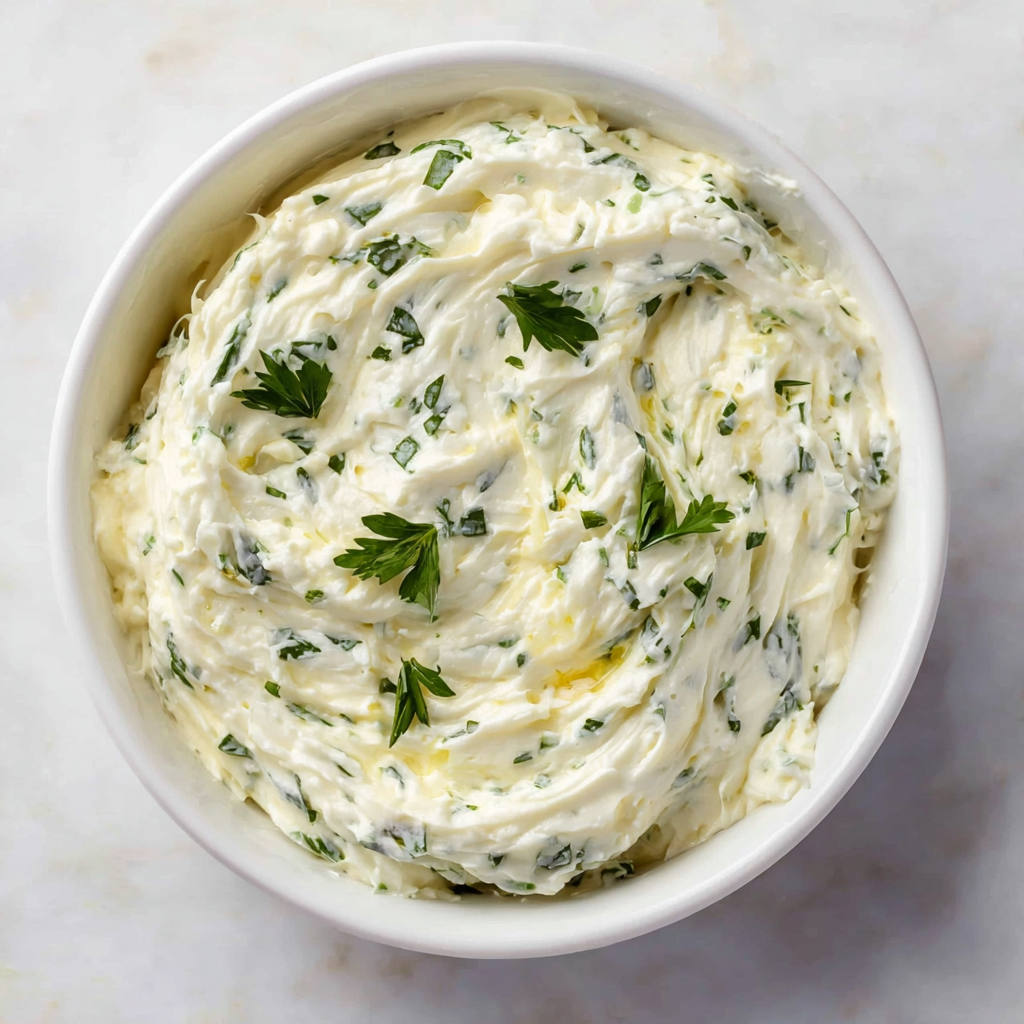
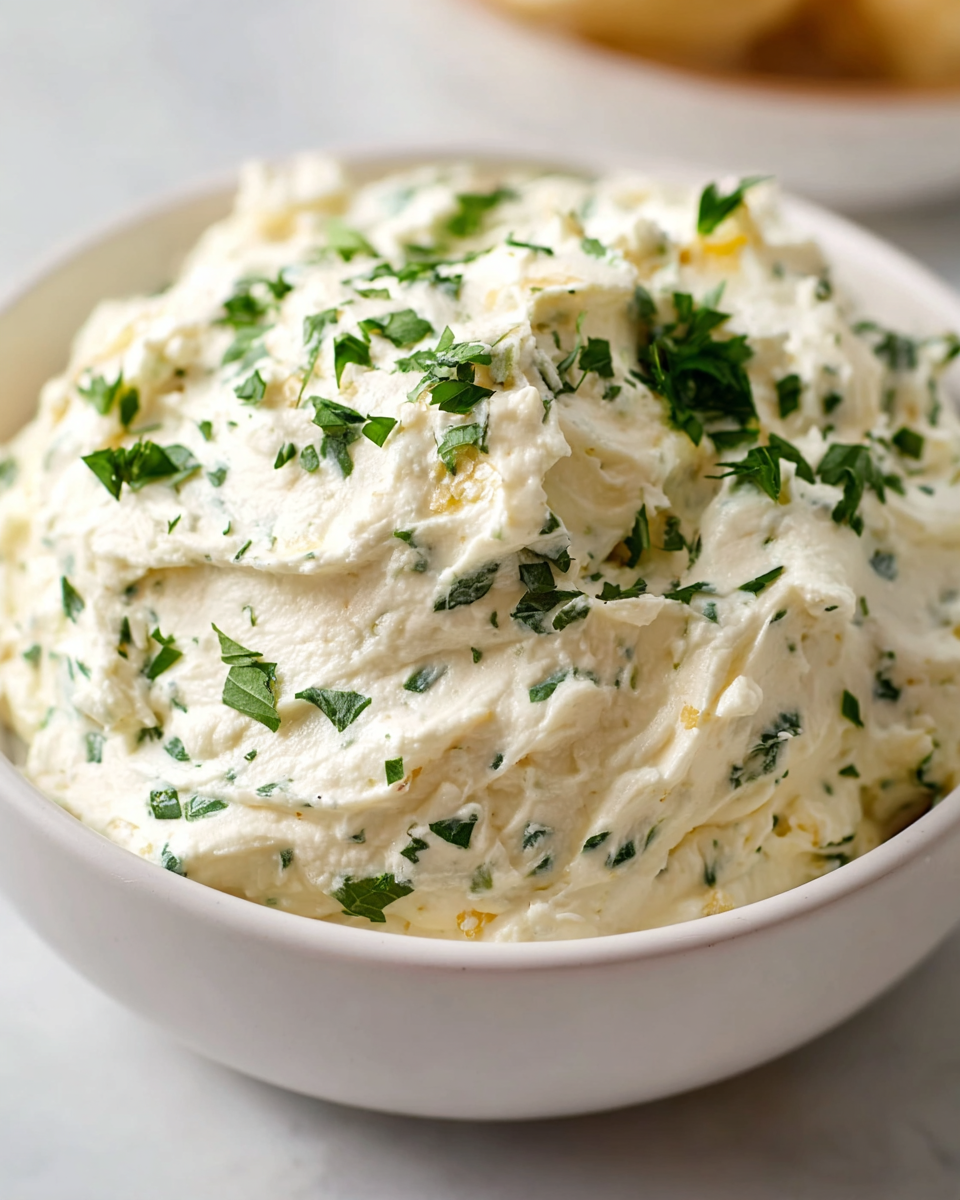
Ricotta Pasta Filling is a creamy, beginner-friendly mixture for stuffed shells, ravioli, manicotti, and baked pasta, made with rich cheeses, fresh parsley, garlic, egg, and simple seasoning for reliable flavor.
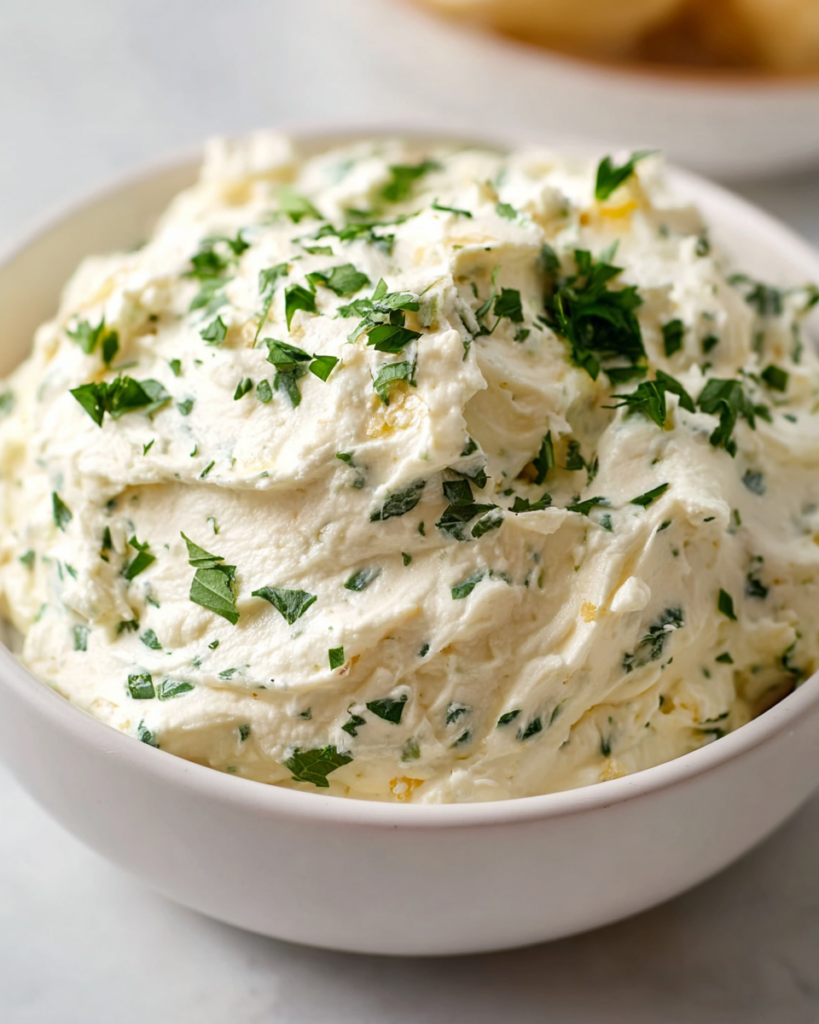
This filling is perfect when you want a homemade stuffed pasta filling that tastes classic without requiring complicated prep. Everything comes together in one bowl, and the refrigerator does the rest while the flavors settle.
The combination of whole milk ricotta, Parmesan, and mozzarella gives the filling a soft, creamy base with just enough structure. Fresh parsley adds brightness, garlic brings savory depth, and the egg helps bind everything so it holds well inside pasta.
Use it for family pasta nights, make-ahead baked dishes, or a simple weekend cooking project. Once mixed, the filling is easy to spoon or pipe into pasta shapes, making it a practical base you can keep chilled until assembly time.
Ricotta Pasta Filling Ingredients
Whole milk ricotta gives the filling its creamy, soft texture and mild, slightly sweet dairy flavor.
Parmesan cheese adds salty, nutty depth and makes the filling taste more savory and rounded.
Mozzarella cheese brings a gentle melt and helps create a richer, more cohesive cheese filling.
Large egg helps bind the mixture so it stays together inside stuffed pasta as it bakes or cooks.
Fresh parsley adds color and a clean herbal note that balances the richness of the cheese.
Garlic gives the filling a small savory kick without overpowering the ricotta.
Salt seasons the cheeses and helps bring the whole mixture into balance.
Black pepper adds mild warmth and a little extra depth, especially when freshly ground.
Cooking Steps
STEP 1: Start with a roomy mixing bowl so the cheeses can be blended without being pressed too tightly. Add the ricotta first, then loosen it slightly with a spoon or spatula so the remaining ingredients fold in more evenly.
STEP 2: Add the Parmesan and mozzarella to the bowl. Stir gently until the cheeses are distributed through the ricotta, keeping the texture creamy rather than overworked or dense.
STEP 3: Add the minced garlic, chopped parsley, salt, and black pepper. Fold again, scraping around the sides and bottom of the bowl so the seasoning reaches every part of the filling.
STEP 4: Lightly beat the egg before adding it, or add it directly if you are mixing thoroughly. Stir until the mixture looks uniform and no streaks of egg remain.
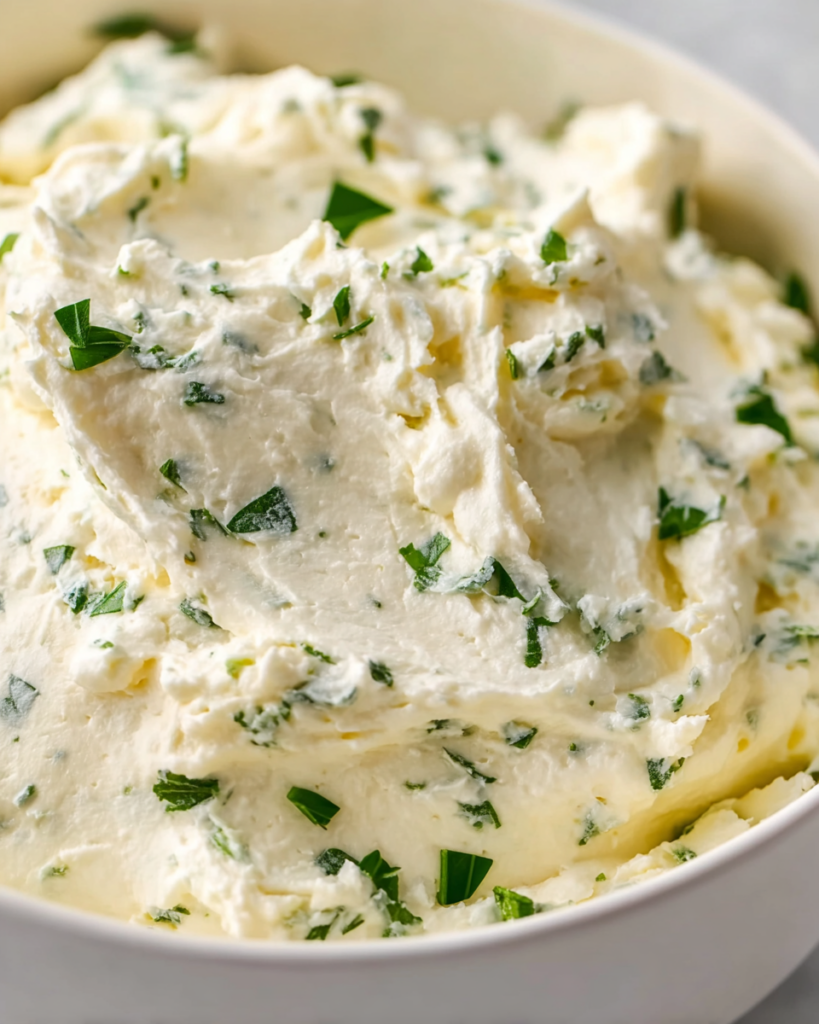
STEP 5: Check the texture. The filling should be thick, spoonable, and creamy, not runny. If the ricotta seems very wet, let the mixture rest briefly and avoid adding extra liquid.
STEP 6: Cover the bowl tightly with a lid or plastic wrap. Refrigerate the filling until you are ready to assemble your pasta so the flavors can settle and the mixture stays food-safe.
STEP 7: When ready to use, give the filling a gentle stir. Spoon it into stuffed shells, layer it into baked pasta, or transfer it to a piping bag for filling ravioli, manicotti, or similar pasta shapes.
Can I make ricotta pasta filling ahead of time?
Yes, ricotta pasta filling works well as a make-ahead component. Mix it, cover it tightly, and refrigerate it until you are ready to assemble your pasta. For the freshest flavor and texture, use it within 24 hours whenever possible.
Why is my ricotta filling watery?
Ricotta can vary in moisture, especially if it has excess liquid in the container. If the filling looks loose, drain the ricotta through a fine-mesh sieve or cheesecloth before mixing. A thicker ricotta gives the filling better structure inside pasta.
Can I use this filling for ravioli?
Yes, this filling is a good choice for ravioli because it is creamy, savory, and bound with egg. Keep the filling chilled before shaping, and avoid overfilling the pasta so the edges can seal properly without leaking during cooking.
Does ricotta pasta filling need egg?
The egg helps bind the cheese mixture, especially for baked or filled pasta dishes. It gives the filling better structure once cooked. For recipes where the filling will be baked thoroughly, the egg is useful for a more stable result.
Can I add more herbs?
You can add a little more parsley if you prefer a brighter flavor. Keep additions moderate so the filling still tastes balanced and classic. Fresh basil can also work well, but use it lightly so it does not overpower the ricotta.
Helpful Tips
- Use whole milk ricotta for the creamiest texture and richest flavor. Low-moisture or dry ricotta can make the filling feel grainy, while very wet ricotta can make it loose.
- Mince the garlic finely so it blends smoothly into the cheese instead of creating sharp bites in the filling.
- Keep the filling cold until assembly, especially if you are working with delicate pasta dough or preparing the dish in stages.
Perfect Pairings
A tomato basil sauce is a classic match for this filling because the acidity of the tomatoes balances the creamy cheese. It works especially well with stuffed shells, manicotti, and baked ravioli.
A simple garlic butter sauce is lovely for smaller filled pasta like ravioli or tortellini-style shapes. It keeps the dish rich and minimal, letting the ricotta filling stay at the center.
Serve the finished pasta with a crisp green salad or roasted vegetables for contrast. The freshness helps balance the cheese and makes the meal feel complete without adding heavy sides.
Keeping Leftovers Fresh
Store unused ricotta pasta filling in an airtight container in the refrigerator. Because it contains fresh cheese and egg, keep it well chilled and use it within 24 hours for the best flavor, texture, and reliability.
Freezing the uncooked filling is not ideal because ricotta can become watery or grainy once thawed. If you need to freeze it, it is better to freeze the fully assembled pasta dish rather than the filling by itself.
To use chilled filling, remove it from the refrigerator only when you are ready to assemble. Stir it gently before spooning or piping, then cook or bake the filled pasta according to your final dish. Avoid leaving the filling at room temperature for an extended time, especially in a warm kitchen.
Ricotta Pasta Filling
Ingredients
- 1 large egg
- 16 ounces whole milk ricotta used for a richer and creamier consistency
- 1/2 cup freshly grated Parmesan cheese preferred for best quality
- 1 clove garlic finely minced
- 1/2 teaspoon freshly ground black pepper recommended for fuller flavor
- 1/2 cup mozzarella cheese shredded
- 3 tablespoons fresh parsley finely chopped
- 1/2 teaspoon salt
Instructions
- Place all of the prepared ingredients into a spacious mixing bowl.
- Gently stir the mixture, taking care to distribute the cheeses, herbs, seasoning, garlic, and egg evenly throughout.
- Using a spoon or spatula, continue mixing until the filling becomes uniform and thoroughly combined.
- Cover the bowl securely with a fitted lid or plastic wrap to preserve freshness.
- Transfer the covered bowl to the refrigerator.
- Keep the filling chilled in a cool environment until it is ready to be used.