Ricotta Pasta with Veggies is a quick, creamy, beginner-friendly pasta dish that turns simple ingredients into a silky bowl of comfort in about 20 minutes. With tender rigatoni, garlic-scented olive oil, ricotta, Parmesan, and starchy pasta water, it feels rich without needing a heavy sauce.
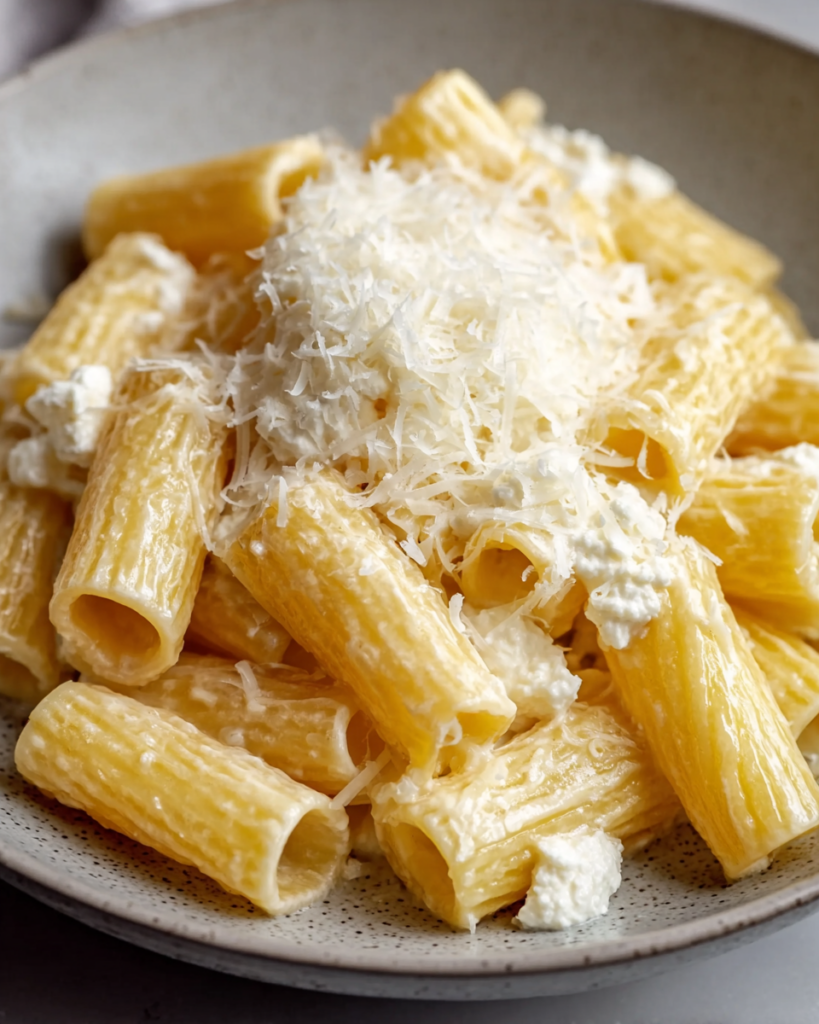
This is the kind of pasta you make when you want something warm, gentle, and satisfying without pulling out a long list of ingredients. The ricotta melts into a soft, delicate coating, while the Parmesan adds just enough savory depth to make every bite taste complete.
What makes this recipe work so well is the reserved pasta water. Instead of leaving the ricotta thick or grainy, the starchy water helps it loosen into a smooth sauce that clings beautifully to the ridges and hollow centers of the rigatoni.
It is especially useful for a fast lunch, a small-batch dinner, or a cozy meal when you are cooking for one. The garlic-infused oil keeps the flavor fragrant and mellow, so the dish stays creamy, balanced, and easy to enjoy.
Ricotta Pasta with Veggies Ingredients
Rigatoni pasta gives the sauce plenty of surface area to cling to, especially because the ridges and tube shape hold the creamy ricotta mixture well.
Ricotta cheese creates the soft, creamy base of the sauce. It should be warmed gently so it turns smooth without drying out or becoming too thick.
Extra virgin olive oil carries the garlic flavor and adds a rounded, savory finish to the pasta without making the sauce feel heavy.
Fresh garlic perfumes the oil with a light aromatic flavor. Removing it before it browns keeps the sauce delicate instead of sharp or bitter.
Parmesan cheese adds salty, nutty depth and helps the ricotta sauce taste more complete.
Salt seasons the pasta water and brings out the flavor of the cheese and pasta. Since Parmesan is naturally salty, adjust carefully at the end.
Reserved pasta water is the key to the texture. Its starch helps the ricotta loosen, emulsify, and coat the pasta evenly.
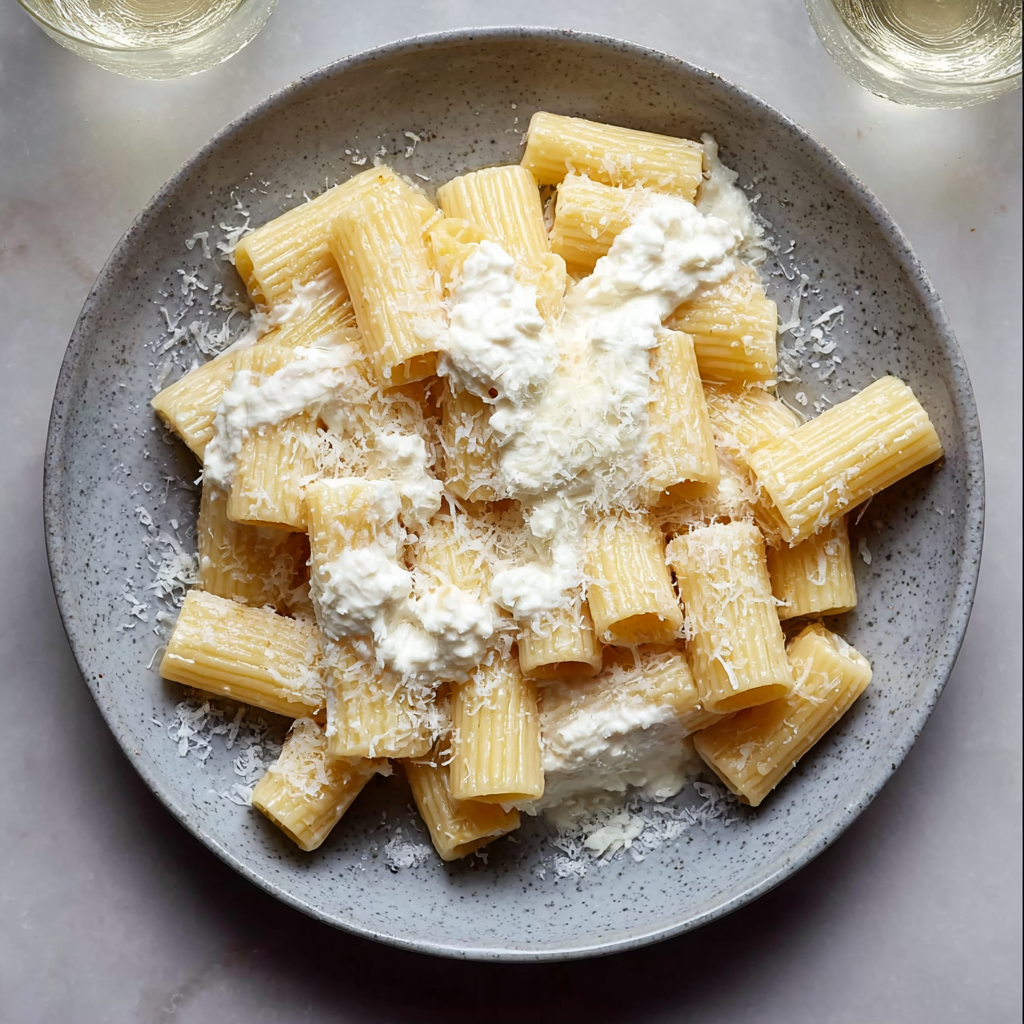
Cooking Steps
STEP 1: Bring a medium pot of water to a steady boil. Salt it generously so the pasta can absorb flavor while it cooks, rather than relying only on the sauce later.
STEP 2: Add the rigatoni and cook until al dente. Before draining, scoop out a little pasta water and keep it nearby. This water will help turn the ricotta into a smooth, glossy sauce.
STEP 3: While the pasta cooks, warm the olive oil in a pan over medium heat. Add the garlic and let it gently infuse the oil, moving it around so the flavor spreads evenly.
STEP 4: Once the garlic starts to sizzle and smell fragrant, remove it from the pan before it browns. This keeps the garlic flavor soft, clean, and pleasant.
STEP 5: Add the ricotta to the garlic-infused oil. Stir gently for a few minutes, just until it softens and becomes creamy. Keep the heat moderate or low so the ricotta does not overcook.
STEP 6: Transfer the cooked rigatoni directly into the pan with the warmed ricotta. Toss slowly so the pasta begins picking up the creamy mixture.
STEP 7: Add reserved pasta water a little at a time, stirring after each splash. Continue until the sauce loosens, smooths out, and coats the rigatoni evenly.
STEP 8: Stir in the Parmesan cheese, then adjust with a final splash of pasta water if needed. Taste, add salt only if necessary, and serve immediately while the sauce is warm and silky.
Can I make ricotta pasta without cream?
Yes, this pasta does not need cream. The ricotta provides the creamy base, while the reserved pasta water helps loosen it into a sauce. Add the water gradually so the texture becomes smooth instead of thin or watery.
Why is my ricotta sauce grainy?
Ricotta can turn grainy if it gets too hot or cooks too aggressively. Warm it gently, stir slowly, and use pasta water to soften the texture. The goal is to loosen the cheese, not boil it into a thick paste.
Can I add vegetables to this pasta?
Yes, but keep them simple so they do not overpower the delicate ricotta sauce. Tender peas, spinach, zucchini, asparagus tips, or roasted cherry tomatoes would all fit well. Cook them separately or add quick-cooking vegetables near the end.
What pasta shape works best?
Rigatoni works beautifully because it holds the creamy sauce inside and around each piece. Short pasta shapes like penne, shells, or fusilli can also work well. Long pasta is fine, but the sauce may coat it a little differently.
Helpful Tips
- Add pasta water slowly. A few spoonfuls can make a big difference, and it is easier to loosen the sauce than to fix one that becomes too thin.
- Keep the garlic pale. Once it browns too much, the flavor can become bitter and distract from the soft ricotta.
- Serve right away. Ricotta pasta is at its creamiest when freshly tossed, before the sauce has time to thicken as it sits.
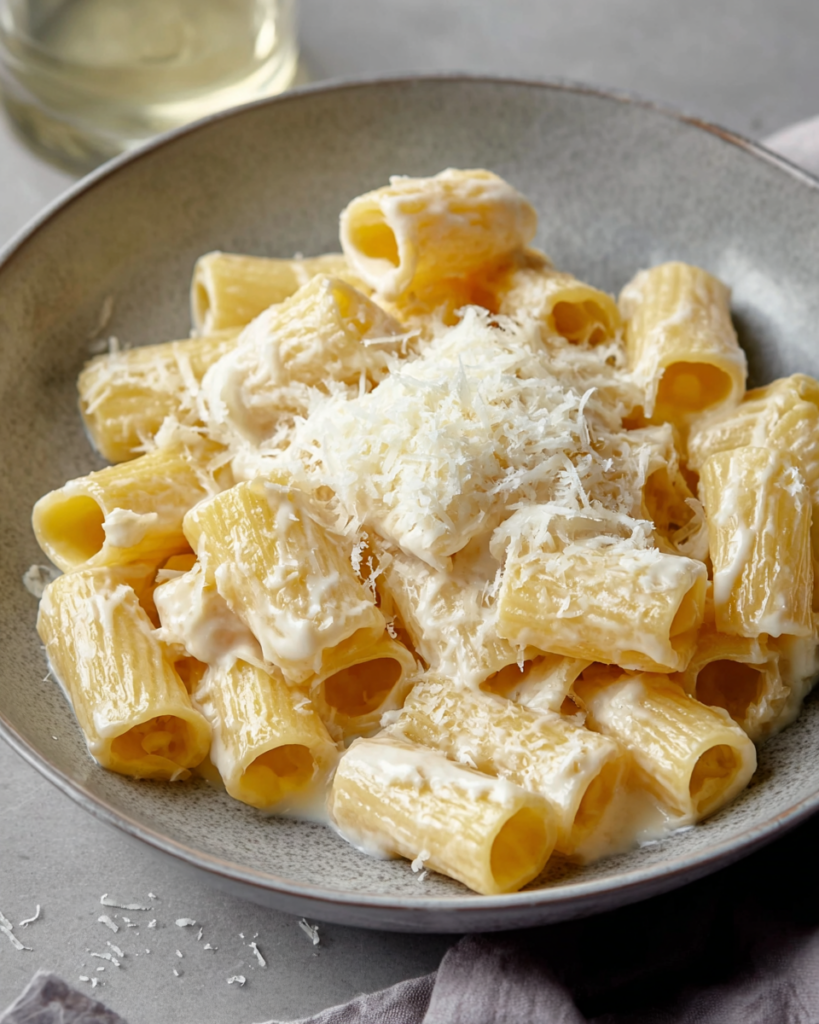
What to Serve with Ricotta Pasta with Veggies
A crisp green salad is a lovely side because it balances the creamy pasta with something fresh and light. A simple mix of leafy greens, cucumber, and a bright vinaigrette keeps the meal from feeling too rich.
Garlic bread or toasted bread also works well, especially if you want something cozy and satisfying. Since the pasta sauce is delicate, keep the bread simple rather than heavily seasoned.
For a more complete plate, serve the pasta with roasted vegetables. Broccoli, zucchini, asparagus, or cherry tomatoes pair naturally with ricotta and Parmesan, and they add color without changing the heart of the dish.
How to Store & Reheat
Store leftover ricotta pasta in an airtight container in the refrigerator for up to 3 days. The sauce will thicken as it chills, so it may not look as creamy straight from the fridge.
To reheat, place the pasta in a small pan over low heat with a splash of water or milk. Stir gently until the sauce loosens and the pasta warms through. Avoid high heat, because ricotta can become dry or grainy when overheated.
Freezing is not the best option for this dish. Ricotta-based sauces can separate after thawing, and the pasta may become softer than ideal. For the smoothest texture, enjoy it fresh or refrigerate a small portion for a quick next-day meal.
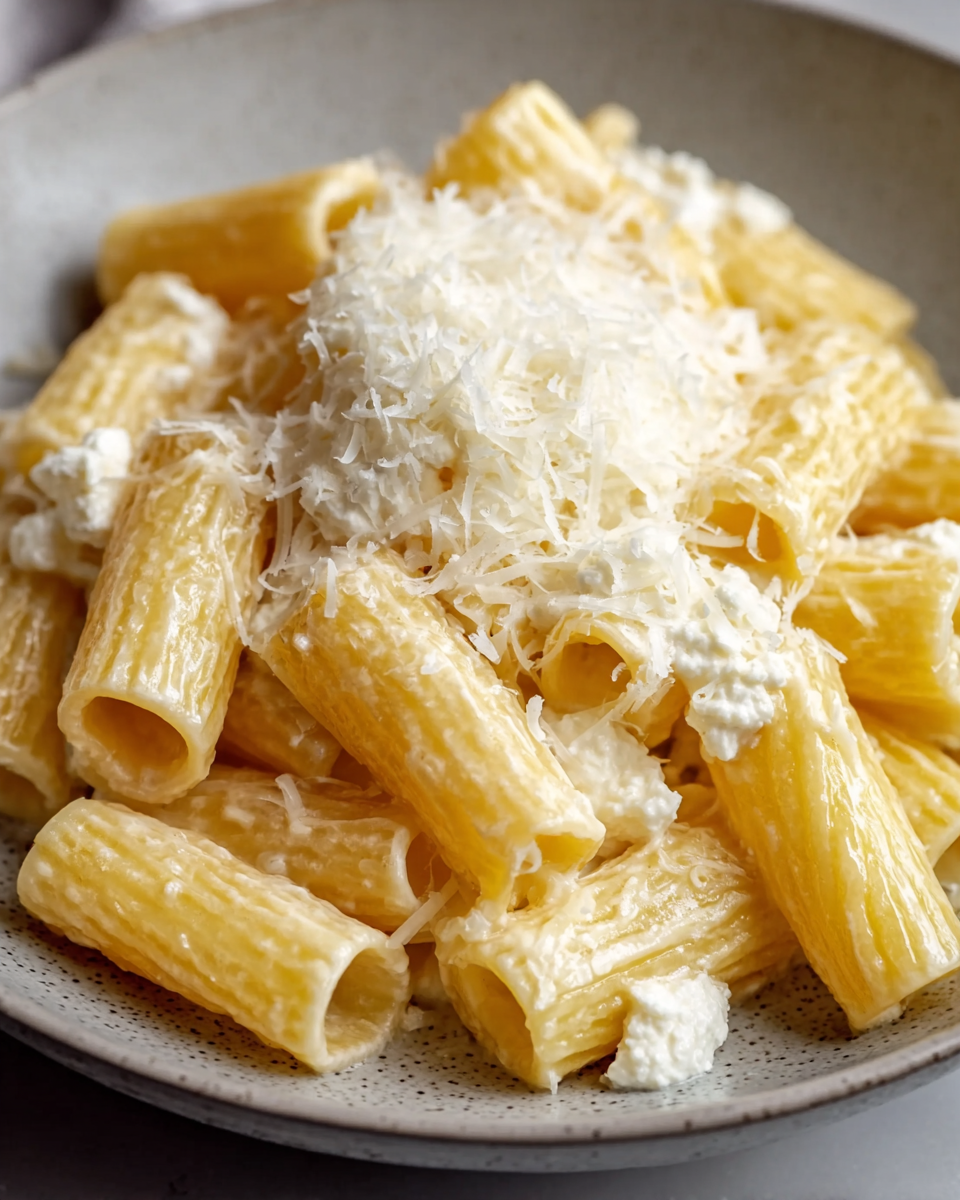
Ricotta Pasta with Veggies
Ingredients
- 3/4 cup ricotta cheese
- 3.5 oz rigatoni pasta such as Barilla
- 1 tablespoon extra virgin olive oil
- Salt added according to taste
- 2 tablespoons Parmesan cheese
- 1 fresh garlic clove minced for the best flavor
Instructions
- Bring a pot of water to a rolling boil over high heat.
- Season the boiling water generously with salt so the pasta absorbs flavor as it cooks.
- Place the rigatoni into the salted water and cook until it reaches an al dente texture.
- Before draining, set aside a small amount of the starchy pasta cooking water for loosening and enriching the sauce later.
- About 5 to 7 minutes before the pasta finishes cooking, warm the extra virgin olive oil in a pan over medium heat.
- Add the garlic clove to the oil and move it gently around the pan, allowing the oil to take on a mild garlic aroma.
- Once the garlic begins to sizzle, remove it from the pan before it browns or burns, keeping the flavor light and fragrant.
- Spoon the ricotta cheese into the pan with the garlic-infused oil.
- Warm the ricotta gently, stirring from time to time, until it softens into a creamy consistency, about 2 to 3 minutes.
- If the pasta is not ready yet, reduce the heat to low so the ricotta stays warm without continuing to cook aggressively.
- When the rigatoni is cooked, transfer it straight into the pan with the warmed ricotta over medium heat.
- Toss the pasta until each piece is coated with the creamy ricotta mixture.
- Pour in a small amount of the reserved pasta water gradually, stirring as you go to help the sauce become smooth and cohesive.
- Add the Parmesan cheese to the pasta and mix until fully incorporated.
- Adjust the texture with more reserved pasta water as needed until the sauce reaches the preferred level of creaminess.
- Once the pasta is evenly coated and the sauce is silky, transfer it to a serving plate.
- Serve immediately while warm.