Roast Lamb with Rosemary and Garlic is a hearty, reliable main dish that gives you a flavorful holiday-style centerpiece without a complicated method. The mustard-herb coating adds bold savory character, the roasting method keeps the meat juicy, and the red wine gravy makes it feel extra special for Sunday dinner or a family gathering.
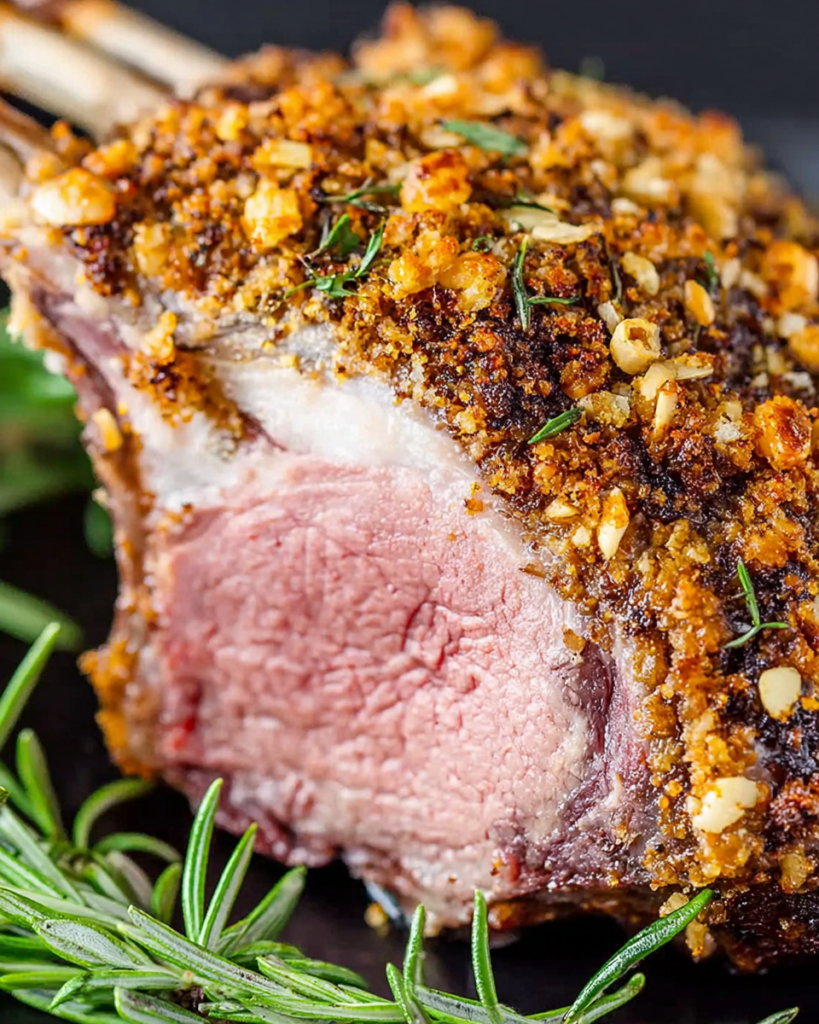
This is the kind of meal that looks impressive when it comes to the table, but the work is wonderfully straightforward. You mix a quick seasoning paste, rub it over the lamb, and let the oven do the heavy lifting.
The garlic and rosemary bring classic depth, while Dijon adds sharpness and helps everything cling to the meat. That combination gives the roast a deeply seasoned outer layer and plenty of flavor in every slice.
I also love that the gravy comes together right in the roasting pan. It picks up all those savory drippings, so you end up with a simple sauce that tastes like you put in far more effort than you actually did.
Perfect Pairings
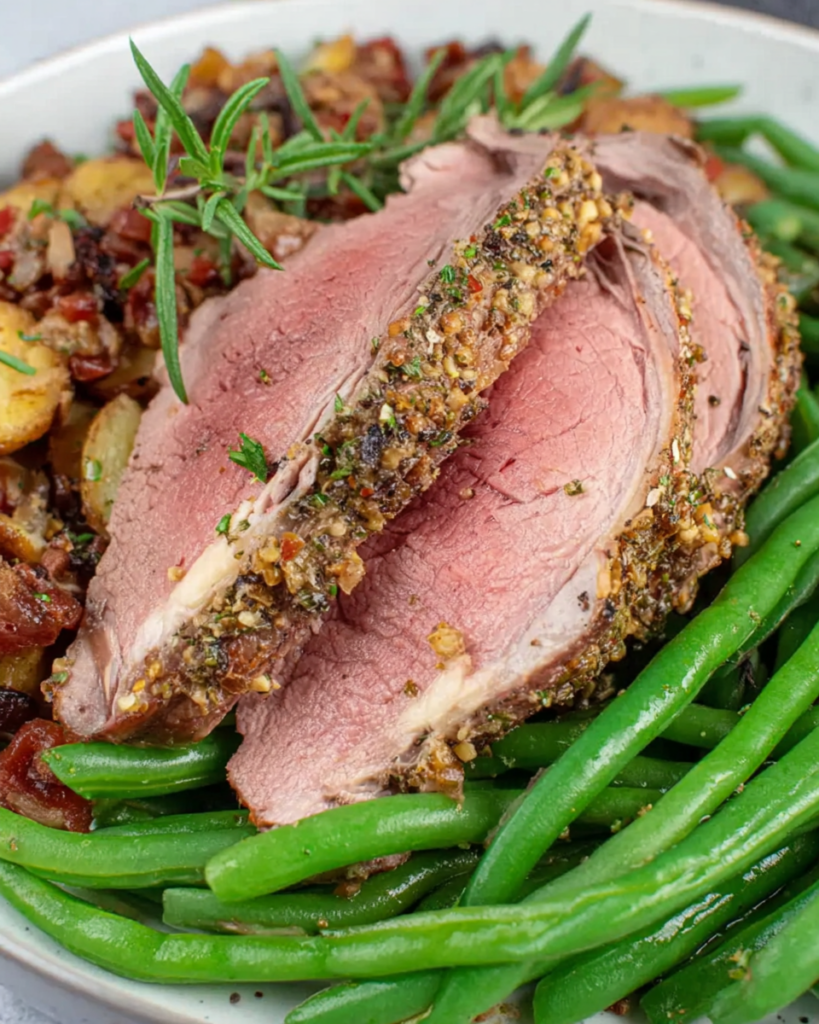
This lamb is especially good with roast potatoes because they soak up the red wine gravy beautifully and give the plate that classic, comforting feel. A crisp-edged potato side also balances the tenderness of the meat.
Steamed or roasted green vegetables work well here too. Green beans, asparagus, or peas bring a fresher contrast to the rich lamb and keep the meal from feeling too heavy.
For a simpler table, serve it with warm bread and a lightly dressed salad. That gives you something to catch the extra gravy and keeps the whole meal relaxed enough for a family dinner instead of a formal occasion.
Lamb Roast Ingredients
Bone-in leg of lamb brings the main savory richness and gives you a beautiful roast for carving at the table. A three-pound leg is a nice size for serving about six people.
Extra-virgin olive oil helps loosen the seasoning paste so it spreads evenly over the meat and encourages better browning in the oven.
Fresh garlic gives the lamb its bold, aromatic backbone. Finely mincing it helps the flavor distribute more evenly over the surface and into the slits cut into the meat.
Grainy Dijon mustard adds sharp, savory depth and helps the rosemary and garlic stick to the lamb. It also gives the outside of the roast a nicely seasoned finish.
Dried rosemary brings that classic pairing lamb is known for. It blends easily into the paste and gives the roast a warm herbal flavor throughout.
Salt seasons the meat from the outside in and helps the full flavor of the lamb stand out once roasted.
Ground black pepper adds a subtle bite and rounds out the seasoning without overpowering the garlic and rosemary.
Dry red wine forms the base of the pan gravy and helps lift all the browned bits from the roasting pan for extra depth.
Chicken stock gives the gravy body and also helps keep moisture in the roasting pan while the lamb cooks.
Plain flour thickens the gravy quickly so it turns silky and spoonable instead of thin and watery.
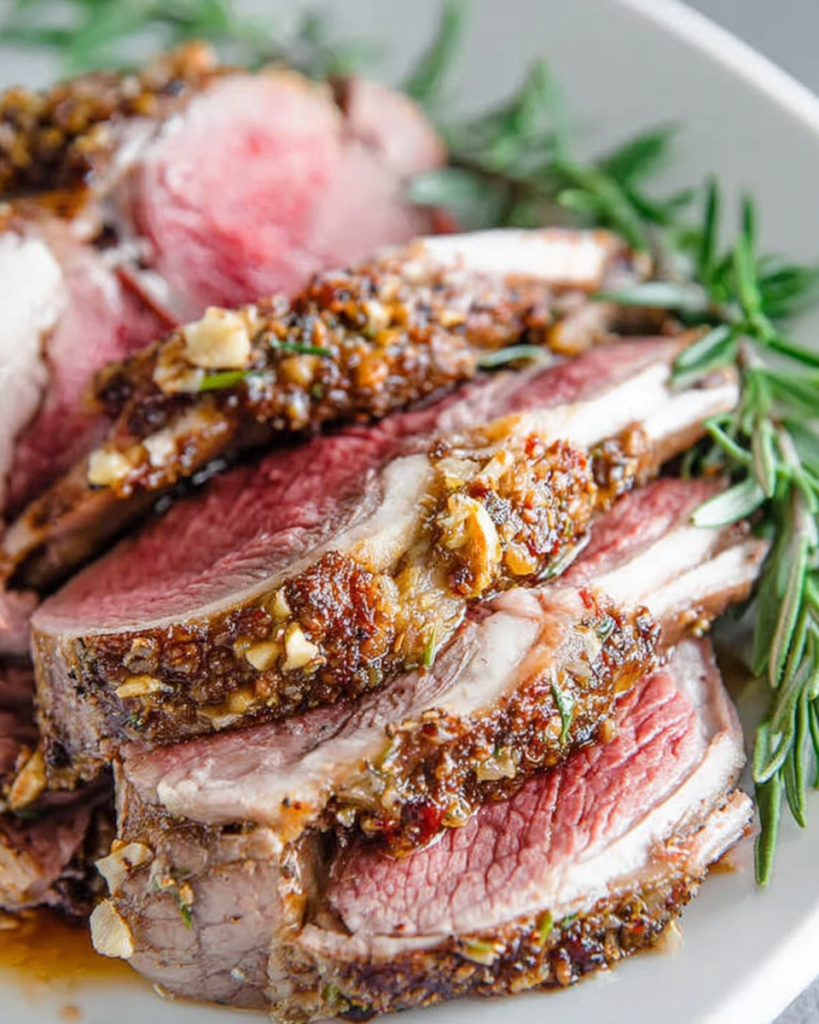
Cooking Steps
STEP 1: In a small bowl, stir together the olive oil, minced garlic, grainy Dijon, dried rosemary, salt, and black pepper until you have a thick, spreadable paste. It should look well combined and smell strongly of garlic and herbs.
STEP 2: Pat the lamb dry and trim only the excess surface fat, leaving a little behind for flavor. Use a sharp knife to cut a few small slits over the meat, then rub the seasoning paste all over, pressing some of it into those openings so the lamb is seasoned beyond the surface.
STEP 3: Let the lamb sit out for about 30 minutes before roasting. This rest helps take the chill off the meat and gives the garlic-mustard mixture time to settle in, which leads to more even cooking and better flavor.
STEP 4: Heat the oven to 425°F. Set the lamb on a rack inside a roasting pan and add some of the stock to the bottom of the pan so the drippings do not scorch. Roast at the higher heat first to build color and deepen the flavor on the outside.
STEP 5: After the first 30 minutes, lower the oven to 325°F and continue roasting until the center reaches your preferred doneness. For medium-rare, aim for about 135°F before resting. For a more cooked roast, continue toward 160°F. A thermometer is the most reliable guide here.
STEP 6: Move the lamb to a board or platter and let it rest for about 20 minutes before carving. This is one of the most important parts of the whole recipe because it gives the juices time to settle back into the meat instead of running out onto the cutting board.
STEP 7: While the lamb rests, place the roasting pan over medium-high heat and pour in the red wine. Scrape up the flavorful browned bits, then whisk the flour into the chicken stock until smooth and add that mixture to the pan. Cook briefly, whisking, until the gravy thickens into a smooth sauce.
STEP 8: Carve the lamb into slices and serve it warm with the gravy spooned over the top or passed at the table. A little of that sauce over each slice brings the whole dish together.
Can I make the lamb ahead of time?
Yes. You can rub the lamb with the garlic, mustard, and rosemary mixture several hours ahead and keep it covered in the fridge. Let it sit at room temperature for about 30 minutes before roasting so it cooks more evenly.
What internal temperature should lamb reach?
For medium-rare, pull it from the oven at about 135°F, since the temperature will continue to rise slightly as it rests. For a more fully cooked result, take it closer to 160°F. Using a meat thermometer makes this much easier and more accurate.
Can I use fresh rosemary instead of dried?
You can. Fresh rosemary gives a brighter flavor, but it should be chopped very finely so it spreads well in the paste. Dried rosemary is convenient and distributes more evenly, which is why it works especially well in this style of roast.
Why is my gravy lumpy?
That usually happens when flour goes into hot liquid without being mixed first. Stirring the flour into the stock before adding it to the roasting pan helps it blend smoothly. Keep whisking as it heats, and the gravy should come together quickly.
Helpful Tips
- Use a thermometer instead of relying only on time, since bone-in cuts can roast a little differently depending on shape and thickness.
- Do not skip the resting time after roasting, because it helps keep the lamb juicy and makes carving cleaner.
- Scrape the roasting pan well when making the gravy, since those browned bits carry a lot of the finished flavor.
How to Store & Reheat
Store leftover lamb in an airtight container in the refrigerator for up to 3 days. Keep the gravy separate if possible so the slices stay in better shape and are easier to reheat without drying out.
For longer storage, freeze carved lamb in a tightly wrapped container or freezer bag for up to 2 months. Freeze the gravy separately for the best texture, then thaw both overnight in the refrigerator before reheating.
To reheat, place the lamb in a covered baking dish with a splash of stock or a spoonful of gravy and warm it in a low oven until heated through. You can also reheat slices gently on the stovetop with gravy over low heat. Avoid high heat, which can make the meat tougher and dry out the edges.
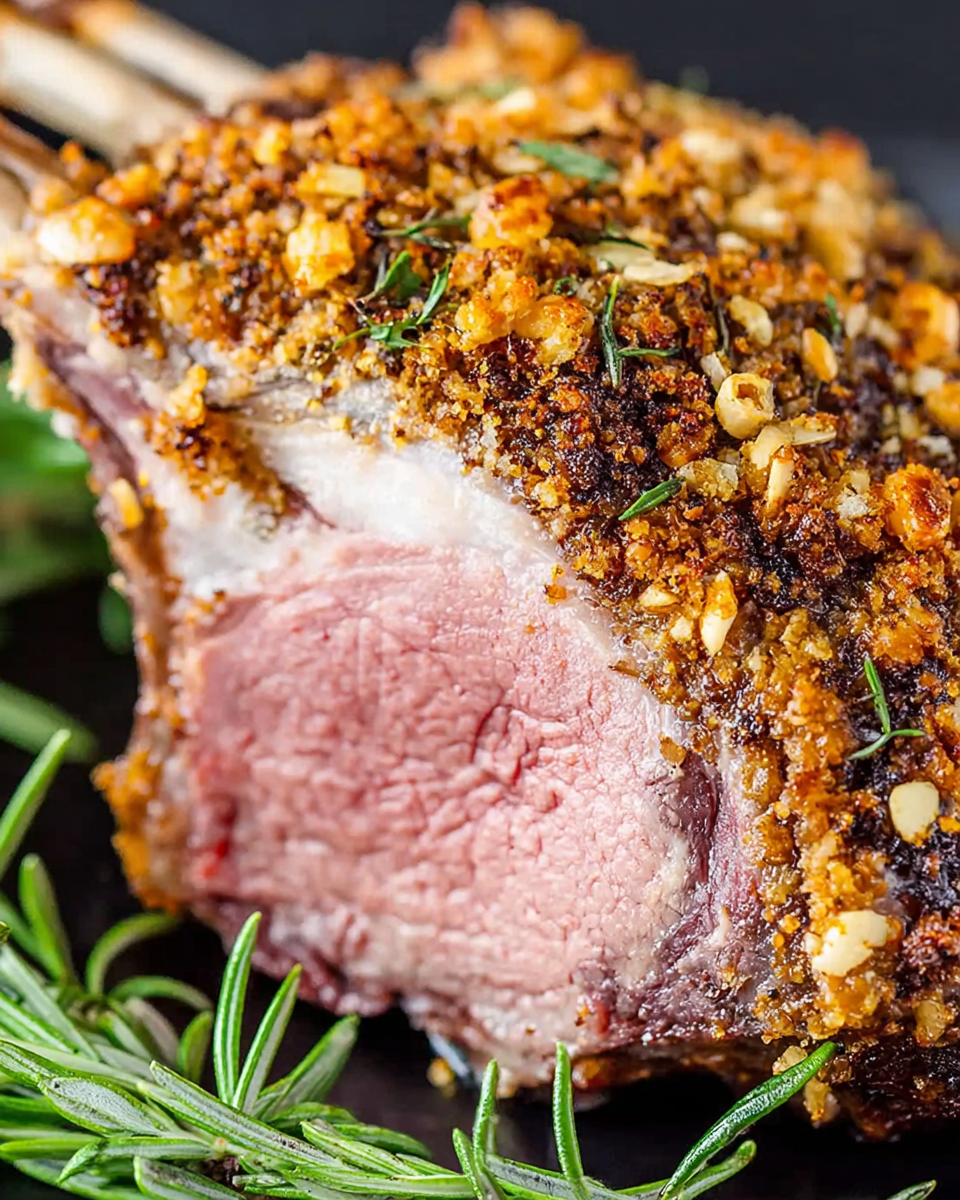
Roast Lamb with Rosemary and Garlic
Ingredients
For the lamb
- 1 bone-in leg of lamb 3 pounds
For the seasoning paste
- 2 tablespoons extra-virgin olive oil
- 6 fresh garlic cloves finely minced
- 2 tablespoons grainy Dijon mustard
- 1 tablespoon dried rosemary
- Salt to taste
- Ground black pepper to taste
For the gravy
- 1/2 cup dry red wine such as Cabernet Sauvignon or Merlot
- 2 cups chicken stock
- 1 tablespoon plain flour
Instructions
- In a small bowl, thoroughly whisk together the Dijon mustard, minced garlic, dried rosemary, olive oil, salt, and black pepper until a well-blended, aromatic paste forms.
- Trim away any excess fat from the leg of lamb, leaving a little in place to add richness to both the meat and the gravy. Using a sharp knife, cut several slits about 1 inch long and 1/2 inch deep across the lamb so the seasoning can penetrate more effectively.
- Spread the mustard mixture all over the lamb, making sure some of the paste is worked into the incisions. Leave the lamb at room temperature for 30 minutes so the flavors can settle into the meat.
- Preheat the oven to 425°F. Set a rack inside a large roasting pan and pour broth into the bottom of the pan to help keep the lamb moist while it cooks. Place the prepared lamb on the rack.
- Roast the lamb for 30 minutes. Lower the oven temperature to 325°F and continue roasting until the meat reaches your preferred doneness. For medium-rare, cook to an internal temperature of 135°F. For well-done lamb, cook until it reaches 160°F. The total roasting time will be approximately a couple of hours.
- Transfer the lamb from the oven and let it rest for 20 minutes before carving.
- To prepare the gravy, remove the rack from the roasting pan and place the pan over two burners set to medium-high heat. Pour in the red wine and bring it to a simmer, whisking to loosen the drippings from the bottom of the pan.
- In a small bowl, stir the flour into the chicken stock until smooth. Add this mixture to the roasting pan and whisk continuously until the gravy thickens, about 1 minute. Pour the finished gravy into a serving bowl.
- Carve the rested lamb and serve it warm with the red wine gravy alongside.