Roasted lamb breast is a cozy, low-effort dinner with deep savory flavor, tender slices, and a crisp finish from the final roast. Dijon, garlic, and rosemary make it reliable, flavorful, and ideal for a hearty family meal.
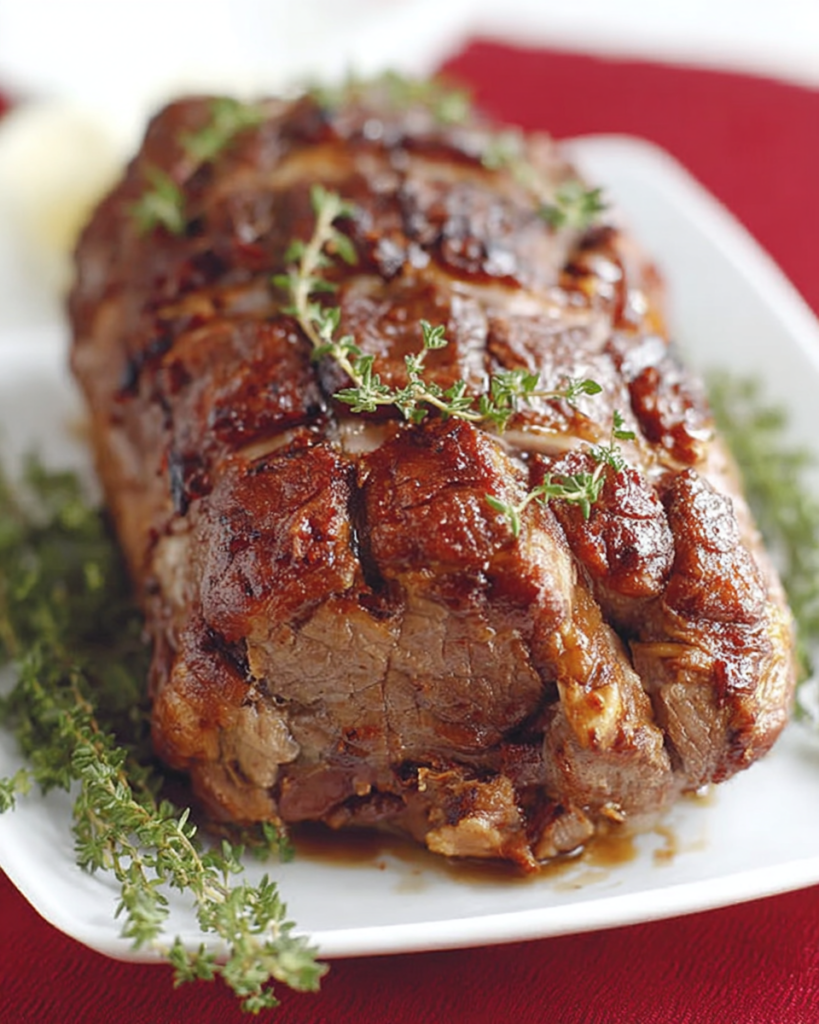
This is the kind of lamb dish that works beautifully when you want something special without spending the whole afternoon actively cooking. Most of the time is hands-off, which means your oven does the heavy lifting while the meat slowly becomes tender.
The flavor combination is simple but smart. Dijon adds sharpness, garlic brings savory depth, rosemary gives the roast its classic lamb-friendly aroma, and olive oil helps everything cling to the surface as it cooks.
What makes this method work so well is the two-stage roast. The long, gentle cook helps the fat render and softens the meat, while the hotter finish gives you the browned exterior that makes each slice more appealing on the plate.
Roasted Lamb Breast Ingredients
Boneless lamb breast brings rich flavor and plenty of natural fat, which slowly renders during roasting and keeps the meat moist.
Dijon mustard adds a sharp, savory layer that cuts through the richness and helps form a flavorful coating.
Fresh garlic gives the roast a deeper, more aromatic finish than garlic powder, especially in a simple recipe like this.
Crushed dried rosemary adds an earthy, classic lamb seasoning note that holds up well during the long roast.
Extra-virgin olive oil helps loosen the mustard mixture so it spreads evenly and coats the meat more smoothly.
Kosher salt seasons the lamb throughout and helps draw out the natural savory flavor of the meat.
Freshly ground black pepper adds a mild bite and balances the richer, fattier texture of the roast.
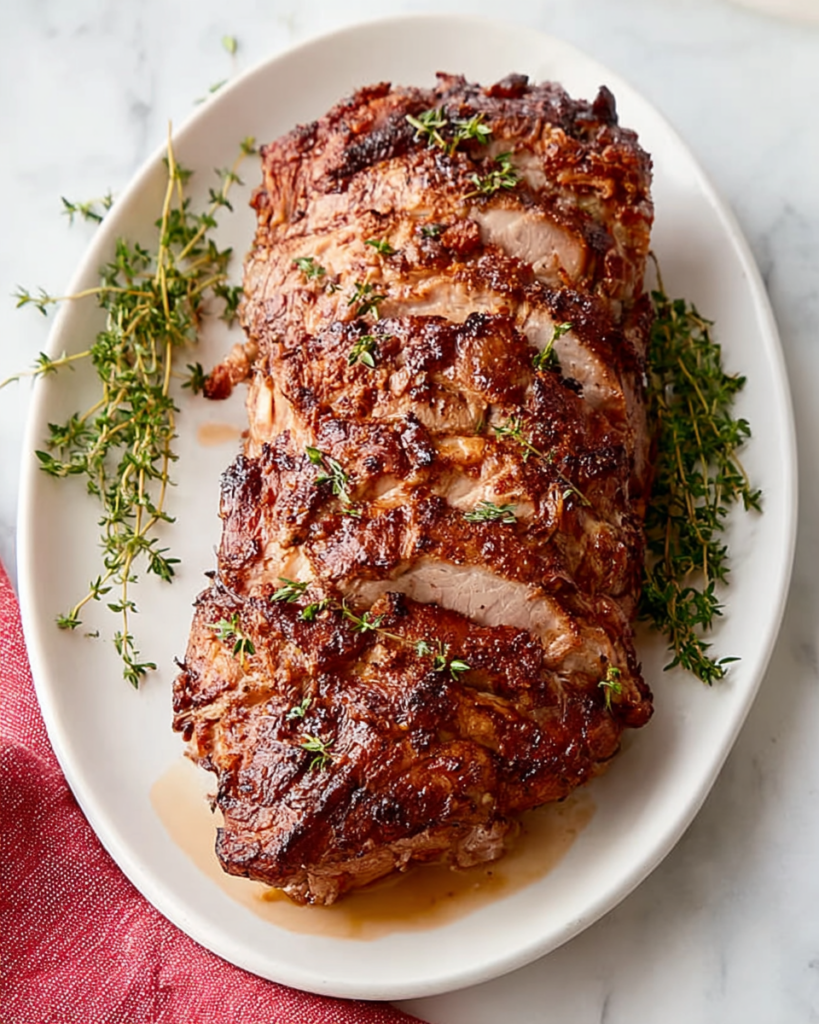
Cooking Steps
STEP 1: Heat your oven to a low temperature and stir together the Dijon mustard, minced garlic, rosemary, and olive oil until you have a loose, fragrant paste. This simple mixture is the main flavor base for the entire roast.
STEP 2: Pat the lamb breast dry very well before seasoning. A dry surface helps the coating cling better and encourages a nicer finish later. Season both sides with salt and black pepper so the roast has flavor all the way around.
STEP 3: Brush the mustard mixture over the whole piece of lamb, making sure you cover the top, sides, and any exposed seams in the rolled meat. Set it in a roasting pan with the fat side facing up so the rendered fat can baste the roast as it cooks.
STEP 4: Roast the lamb slowly for about 4 hours at 200°F. During this stage, the meat gently softens and the fat gradually renders into the pan. The lamb should look cooked through and feel much more tender by the end of this first roast.
STEP 5: Increase the oven to 350°F and continue roasting until the outside is lightly browned and just starting to crisp. This usually takes 20 to 30 minutes, but keep an eye on it because the garlic and mustard can darken quickly if your oven runs hot.
STEP 6: Check that the internal temperature reaches at least 145°F, then let the lamb rest before slicing. That short rest helps the juices settle and makes the meat easier to portion neatly along the rib lines.
Can I prepare it ahead of time?
Yes. You can mix the mustard coating and season the lamb earlier in the day, then keep it covered in the refrigerator until you are ready to roast. Let it sit out briefly before cooking so it loses some of the chill.
Why is lamb breast cooked low and slow first?
Lamb breast has a good amount of fat and connective tissue, so gentle roasting gives that richness time to render and soften. That slower first stage is what turns it from a tougher cut into something tender and sliceable.
What internal temperature should I check for?
Use an instant-read thermometer and look for at least 145°F in the thickest part. That confirms it is safely cooked, but you should also pay attention to texture. With this cut, tenderness and rendered fat matter just as much as the number.
Can I use fresh rosemary instead of dried?
You can. Fresh rosemary gives a brighter, more aromatic flavor, but chop it finely so it distributes evenly over the mustard coating. Since dried rosemary is more concentrated, you usually need a little more fresh to get a similar effect.
Serving Ideas for Roasted Lamb Breast
A creamy potato side is a natural match here. Mashed potatoes, buttery crushed potatoes, or even a simple potato gratin all pair well with the savory pan juices and rich lamb.
Roasted vegetables also balance the dish nicely. Carrots, parsnips, green beans, or Brussels sprouts bring color and a little sweetness that works especially well with the garlic and rosemary flavors.
For something lighter, serve the lamb with a crisp salad dressed in lemon vinaigrette. That fresh acidity helps cut through the richness and keeps the meal from feeling too heavy.
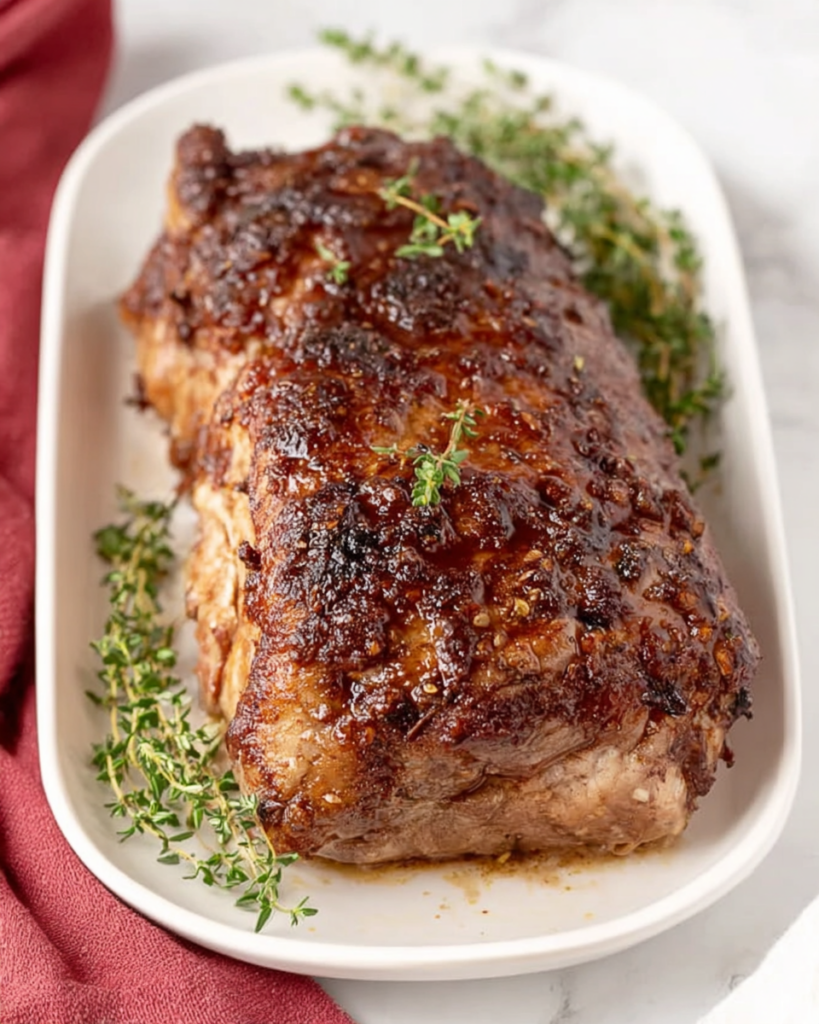
Helpful Tips
- Pat the lamb dry before seasoning so the mustard mixture sticks better and the outside browns more evenly.
- Keep the fat side up during roasting so the rendered fat naturally bastes the meat as it cooks.
- Watch the final high-heat stage closely, because the coating can shift from browned to too dark fairly fast.
How to Store & Reheat
Leftover lamb breast keeps well in the refrigerator for up to 3 days when stored in an airtight container. For the best texture, keep a few spoonfuls of the pan juices with the sliced meat so it stays moist.
You can also freeze it for up to 2 months. Wrap the slices well or store them in a freezer-safe container with a little of the cooking liquid. Thaw overnight in the refrigerator before reheating.
To reheat, place the lamb in a covered baking dish with a splash of broth or reserved juices and warm it in a moderate oven until heated through. You can also reheat smaller portions gently in a skillet, but avoid high heat or the meat may tighten up.
This lamb is especially good the next day tucked into warm flatbread, served over potatoes, or paired with roasted vegetables for another easy dinner. Because the flavors are savory and straightforward, leftovers are just as useful as the original meal.
Roasted lamb breast is a great reminder that a less flashy cut can still turn into a memorable dinner with the right method. You do not need a long list of ingredients or complicated prep to get something deeply comforting and full of flavor.
The beauty of this dish is in the contrast. You get a tender interior from the slow roast, a lightly crisp edge from the final blast of heat, and a coating that tastes bold without overpowering the lamb itself. It feels rustic, generous, and perfect for a weekend table.
When you want a lamb dinner that is hearty, practical, and full of classic flavor, this is one to keep in your kitchen rotation. It delivers rich results with very little fuss, and that is exactly the kind of roast worth making again.
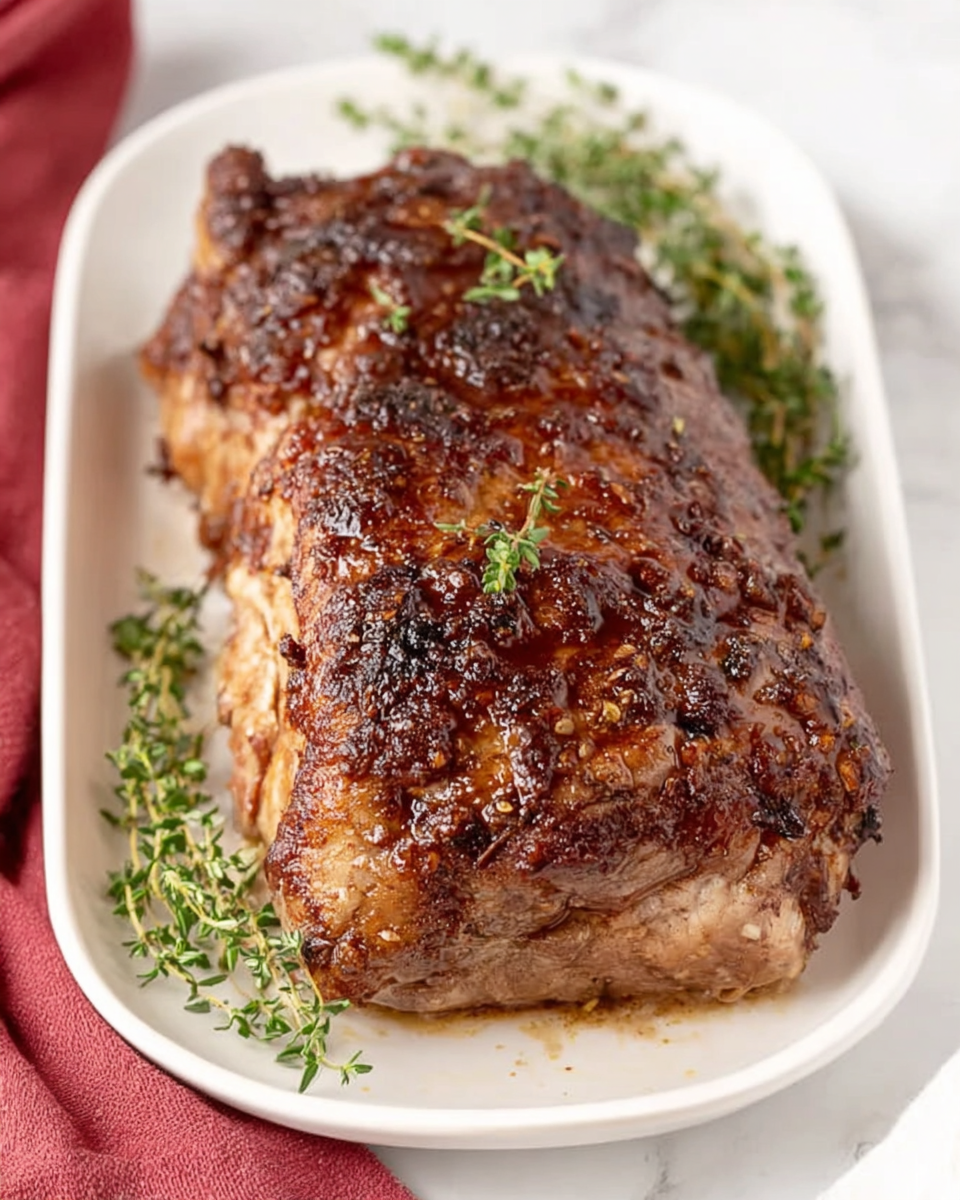
Roasted Lamb Breast
Ingredients
- 1 teaspoon crushed dried rosemary
- 1 boneless lamb breast about 2 pounds, rolled and tied
- Freshly ground black pepper to taste
- 1 tablespoon extra-virgin olive oil
- 1 tablespoon fresh garlic minced
- 2 tablespoons Dijon mustard
- 1 teaspoon kosher salt
Instructions
- Preheat the oven to 200°F. In a small bowl, combine the Dijon mustard, minced garlic, crushed rosemary, and olive oil until evenly blended.
- Pat the lamb breast dry with paper towels. Season both sides with the kosher salt and freshly ground black pepper.
- Brush the prepared mustard mixture over the entire surface of the lamb, coating it thoroughly.
- Set the lamb in a roasting pan or baking dish with the fat side facing upward. Roast for 4 hours at 200°F.
- Raise the oven temperature to 350°F and continue roasting for 20 to 30 minutes, or until the outside develops a lightly browned and gently crisp finish. Watch closely to prevent excessive browning.
- Check the internal temperature with an instant-read thermometer; it should register at least 145°F. The lamb should also show rendered fat collected in the pan and a browned exterior.
- Remove the lamb from the oven and let it rest for 10 to 15 minutes.
- After resting, slice the lamb along the ribs into individual portions and serve.