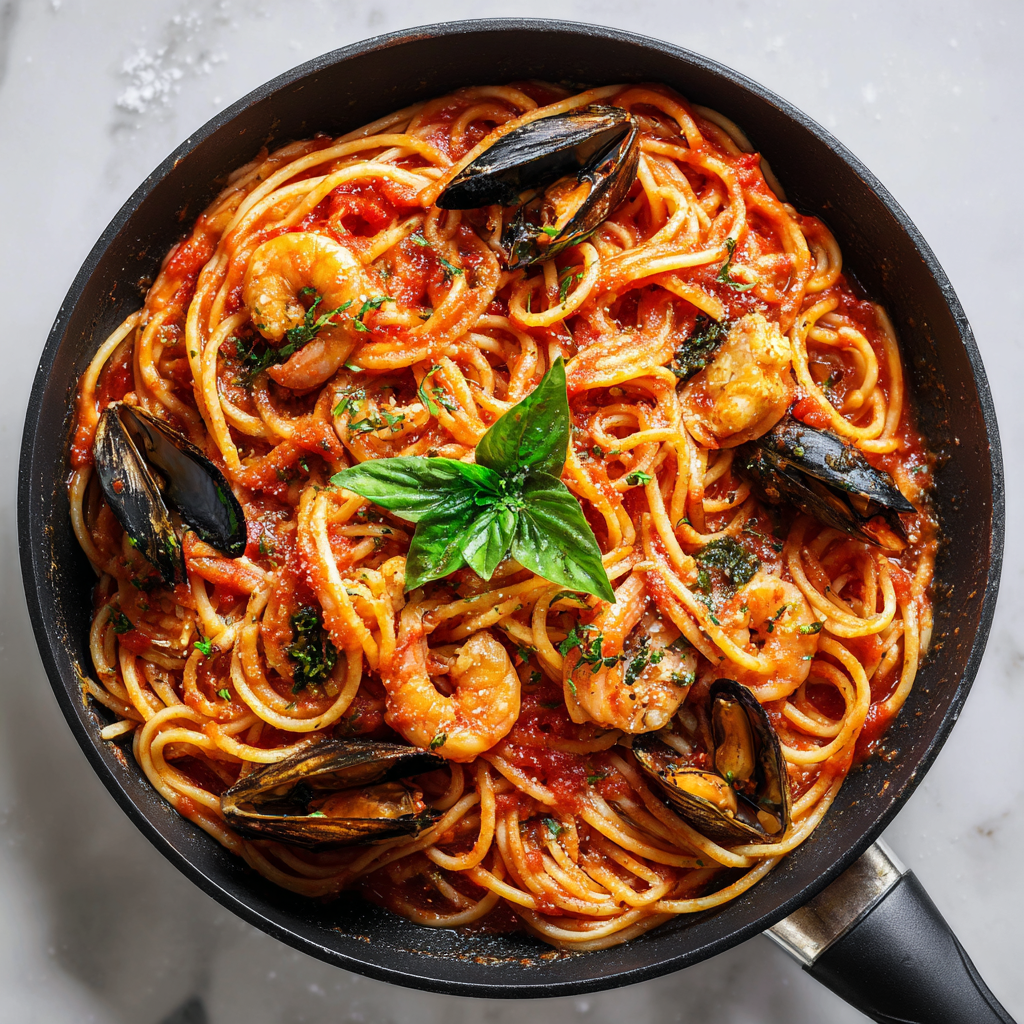
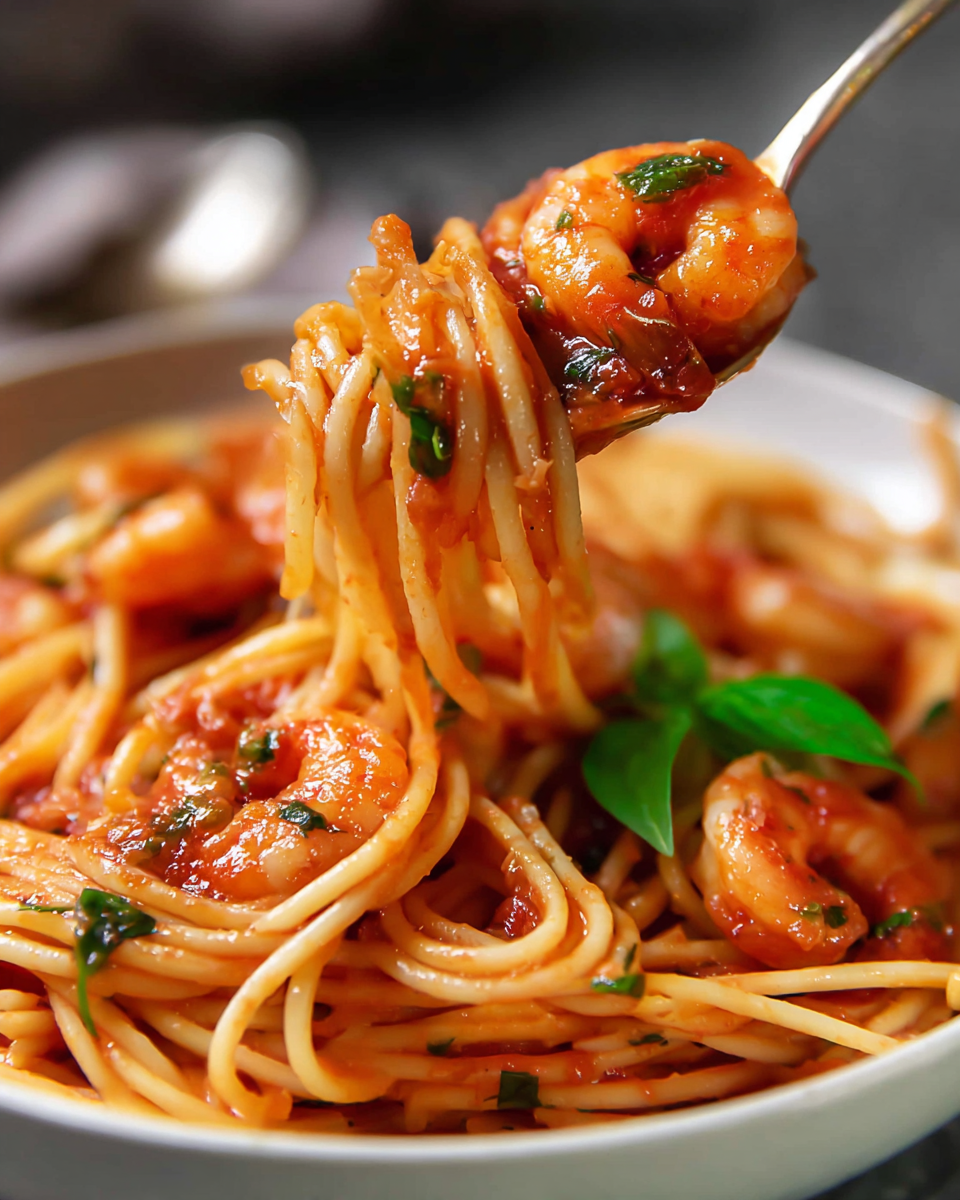
Quick, elegant, and full of bright coastal flavor, Seafood Pasta Sauce brings together spaghetti, mixed seafood, white wine, tomato purée, garlic, and onion in one glossy skillet supper that feels special without making dinner complicated.
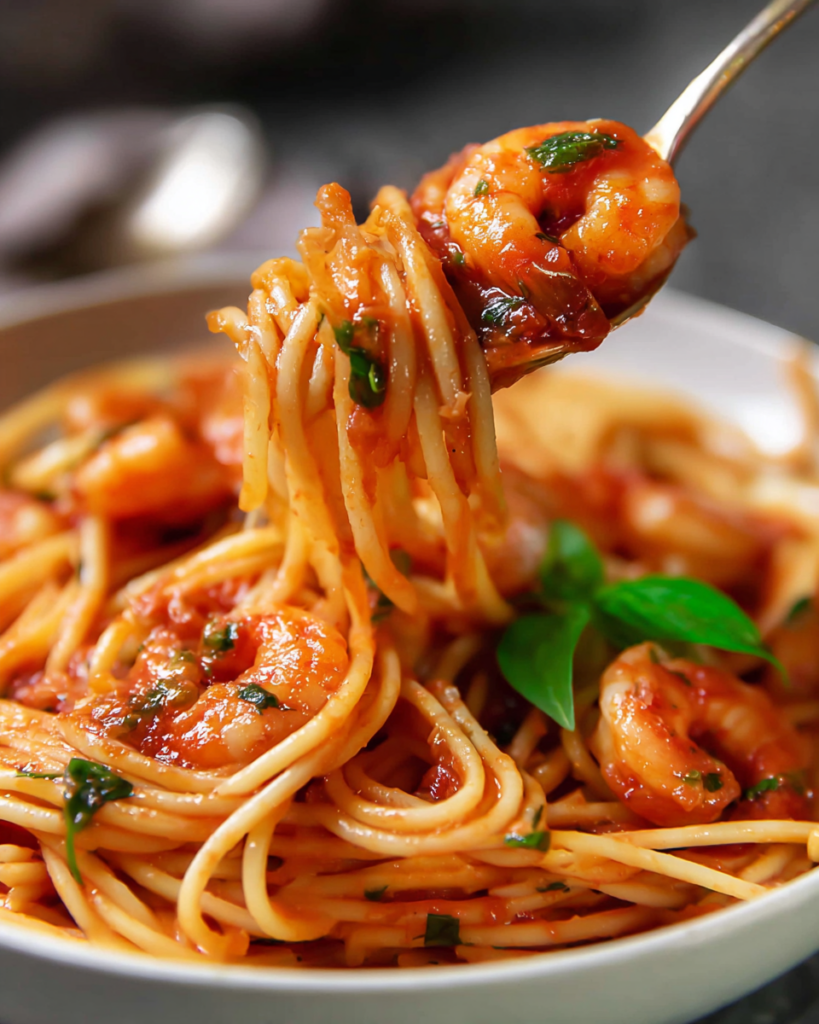
This is the kind of pasta you make when you want something a little more polished than a usual weeknight tomato sauce, but still want it on the table fast. The combination of tender seafood and a light tomato base keeps the dish lively instead of heavy.
What makes this one work so well is the timing. The seafood is cooked just briefly, then added back at the end so it stays delicate while the pasta finishes right in the sauce. That last step gives you spaghetti that tastes seasoned all the way through, not just coated on the outside.
It is also a great choice when you want a restaurant-style seafood spaghetti at home without a long ingredient list. A splash of white wine, a little parsley, and careful heat do most of the work for you.
Seafood Pasta Sauce Ingredients
Spaghetti gives the dish its classic shape and enough surface to catch the tomato and wine sauce without overpowering the seafood.
Seafood marinara mix is the star here, bringing a variety of textures in one package. A mix with prawns, fish, and calamari gives the pasta a fuller seafood flavor and a more generous feel.
Tomato purée creates a smooth, clean sauce that feels refined rather than chunky. It lets the seafood stay the focus while still giving the pasta richness and color.
Onion adds sweetness and body to the sauce. Once softened in the skillet, it rounds out the acidity of the tomato nicely.
Garlic gives the sauce its savory backbone. It does not need much, but it helps tie together the wine, seafood, and tomato.
Dry white wine brings brightness and depth. It lifts the flavor of the pan and adds that classic seafood pasta note that makes the sauce taste more layered.
Olive oil is used in two stages, first for quickly cooking the seafood, then again for building the sauce. That helps everything taste connected from the first step to the last.
Fresh parsley finishes the pasta with freshness and a little color, which is especially welcome in a tomato-based seafood dish.
Sugar, salt, and black pepper balance the sauce. The sugar softens the tomato edge, while the salt and pepper sharpen the overall flavor.
Cooking Steps
STEP 1: Bring a large pot of salted water to a boil and cook the spaghetti until it is just shy of done. Before draining, save some of the pasta water. That starchy water is what helps the sauce cling to the noodles later instead of feeling loose or watery.
STEP 2: Separate the seafood by how quickly it cooks. The larger pieces need a head start, while small prawns and calamari need very little time. This extra minute of sorting makes a real difference because mixed seafood can go from tender to rubbery fast.
STEP 3: Sear the seafood in hot olive oil in quick stages, starting with the pieces that need the longest time. As soon as everything turns opaque and lightly cooked, transfer it out of the skillet. You are not trying to fully simmer it here, only to give it a quick first cook.
STEP 4: In the same pan, lower the heat slightly and cook the onion and garlic until the onion softens and turns fragrant. Pour in the white wine and scrape up any flavorful bits left behind from the seafood. This builds a more savory sauce without adding anything extra.
STEP 5: Stir in the tomato purée and seasonings, then let the sauce bubble briefly until it tastes blended and balanced. You want it lightly simmered, not reduced for a long time. This keeps the tomato fresh and lets the seafood remain the main character.
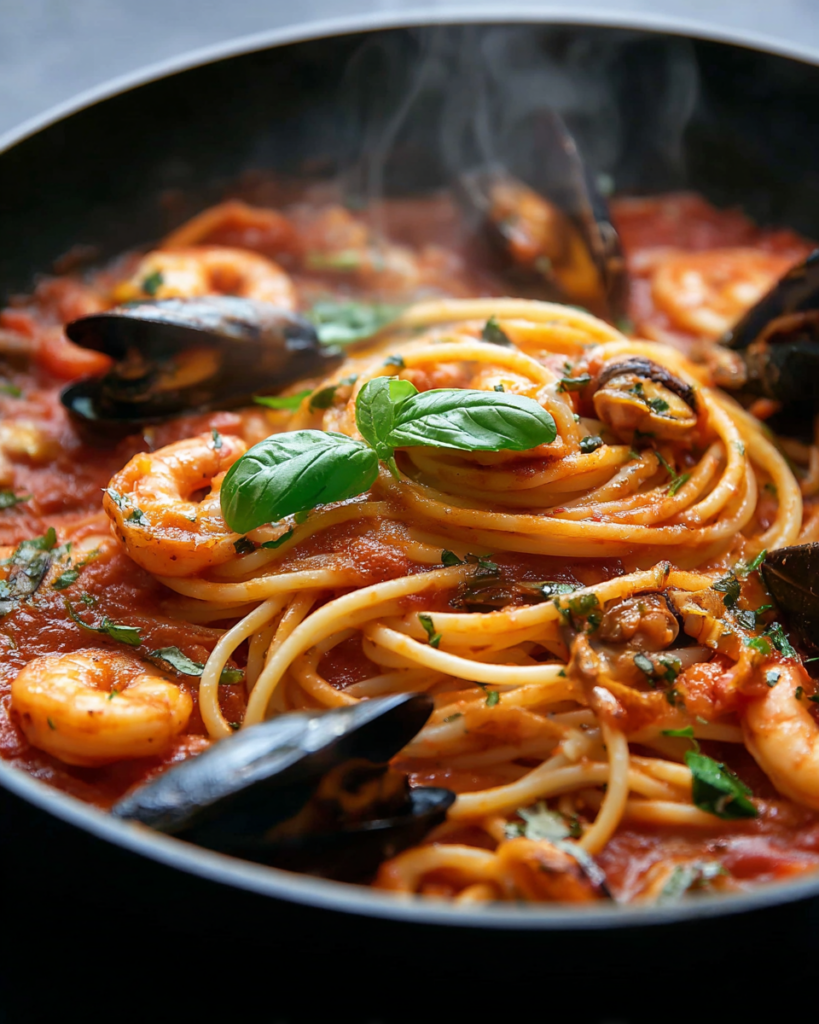
STEP 6: Return the seafood to the skillet, add the drained spaghetti, and loosen everything with a splash of the reserved pasta water. Toss gently just until the noodles finish cooking and the sauce turns glossy. Scatter over the parsley and serve right away while the seafood is tender and the pasta is silky.
Can I use frozen seafood for this pasta?
Yes, and it works very well here. Just thaw it fully first and pat away excess moisture so the seafood sears quickly instead of steaming. That helps the pan stay hot and keeps the sauce from becoming diluted.
Perfect Pairings
A crisp green salad with lemon vinaigrette is a simple side that balances the rich, savory sauce without competing with the seafood.
Warm bread is another smart choice, especially if you want something to swipe through the extra sauce left on the plate. Keep it plain and crusty rather than buttery or heavily seasoned.
If you want a vegetable side, roasted zucchini or sautéed spinach fits naturally with the Italian-inspired flavors and keeps the meal light enough for the pasta to stay center stage.
Do I need to add cheese to seafood pasta sauce?
Not necessarily. This dish already has enough flavor from the seafood, wine, garlic, and tomato. A little Parmesan at the table can work if you enjoy it, but it is better treated as optional rather than essential.
Pro Tips for Seafood Pasta Sauce
- Cook the seafood only until just done, then remove it from the pan immediately so it stays tender when added back later.
- Reserve more pasta water than you think you need. A small splash can transform the sauce from tight and heavy to smooth and glossy.
- Taste the sauce before combining everything. Tomato purée can vary in sweetness and acidity, so a final adjustment with salt, pepper, or a pinch more sugar can make the whole dish feel polished.
How do I keep the seafood tender?
The key is fast cooking over fairly high heat and removing it from the skillet early. Seafood keeps cooking from residual heat, and it gets another brief warm-through at the end, so it does not need a long stay in the pan.
Can I make the sauce ahead of time?
You can make the tomato and wine base ahead, but the seafood is best cooked right before serving. If you prepare the sauce earlier in the day, reheat it gently, then cook the seafood fresh and toss everything together with the pasta at the end.
Keeping Leftovers Fresh
Store leftover seafood pasta in an airtight container in the fridge for up to 2 days. Because seafood is delicate, this dish is best enjoyed sooner rather than later.
For reheating, warm it gently in a skillet over low heat with a small splash of water. That helps relax the sauce and keeps the spaghetti from drying out. The microwave works too, but use short bursts and stir in between so the seafood does not turn tough.
Freezing is not the best option for this one. Tomato sauce freezes well, but mixed seafood and cooked spaghetti usually lose some of their texture after thawing. For the best result, make only what you plan to enjoy fresh or within the next day or two.
Seafood Pasta Sauce is a lovely example of how a short ingredient list can still feel layered and special. You get sweetness from onion, brightness from wine, savory depth from the seafood, and just enough tomato to bring it all together. It feels a little elegant, but the method is straightforward enough for any home kitchen.
That balance is what makes it so useful. It is fast enough for a busy evening, yet polished enough for a dinner that feels a bit more intentional. Once you try finishing the spaghetti directly in the skillet with the sauce, you will see how much more cohesive and flavorful the whole dish becomes.
Seafood Pasta Sauce
Ingredients
For the sauce
- 2 cups tomato purée
- 1 tablespoon olive oil
- 1/2 onion finely chopped
- 2 garlic cloves minced
- 1/2 cup dry white wine such as Sauvignon Blanc
- 2 tablespoons fresh parsley roughly chopped
- 1/2 teaspoon sugar
- Salt to taste
- Black pepper to taste
For the seafood
- 10 ounces seafood marinara mix thawed if frozen
- 1 1/2 tablespoons extra-virgin olive oil
For the pasta
- 6 ounces dried spaghetti
Instructions
- Fill a large pot with salted water and bring it to a boil. Cook the spaghetti according to the package instructions, but stop 1 minute before it reaches full doneness. Before draining, set aside 1 mug of the pasta cooking water.
- Sort the seafood mix according to cooking time. Keep the fish and medium to large prawns together, as they require the longest time, place the small prawns separately, and keep the calamari aside for last.
- Heat 1 1/2 tablespoons of olive oil in a large skillet over high heat. Add the fish and the larger prawns first and cook for 30 seconds.
- Add the small prawns and cook for an additional 30 seconds.
- Add the calamari and continue cooking for 1 minute. Transfer all of the seafood immediately to a bowl so it does not overcook.
- Reduce the heat to medium-high. Add the remaining 1 tablespoon of olive oil to the same skillet, then add the diced onion and minced garlic. Cook for about 3 minutes, or until the onion turns translucent.
- Pour in the white wine and bring it to a simmer, scraping along the bottom of the pan to loosen any browned bits. Let it cook for about 1 minute, or until the alcohol aroma has dissipated.
- Add the tomato purée, sugar, salt, and black pepper. Bring the sauce to a gentle simmer over medium-high heat and cook for about 2 minutes. Taste and adjust the seasoning as needed.
- Return the cooked seafood to the skillet and add the drained pasta. Pour in about 1/2 cup of the reserved pasta water.
- Toss gently for 1 to 2 minutes, allowing the spaghetti to finish cooking while the sauce thickens and clings evenly to the pasta.
- Divide the seafood pasta among serving plates and finish with the chopped fresh parsley.