Tender, buttery sous vide halibut with garlic, thyme, and a quick skillet finish gives you a reliable seafood dinner that feels refined without being fussy. It is gentle, flavorful, beginner-friendly, and brightened at the end with fresh lemon.
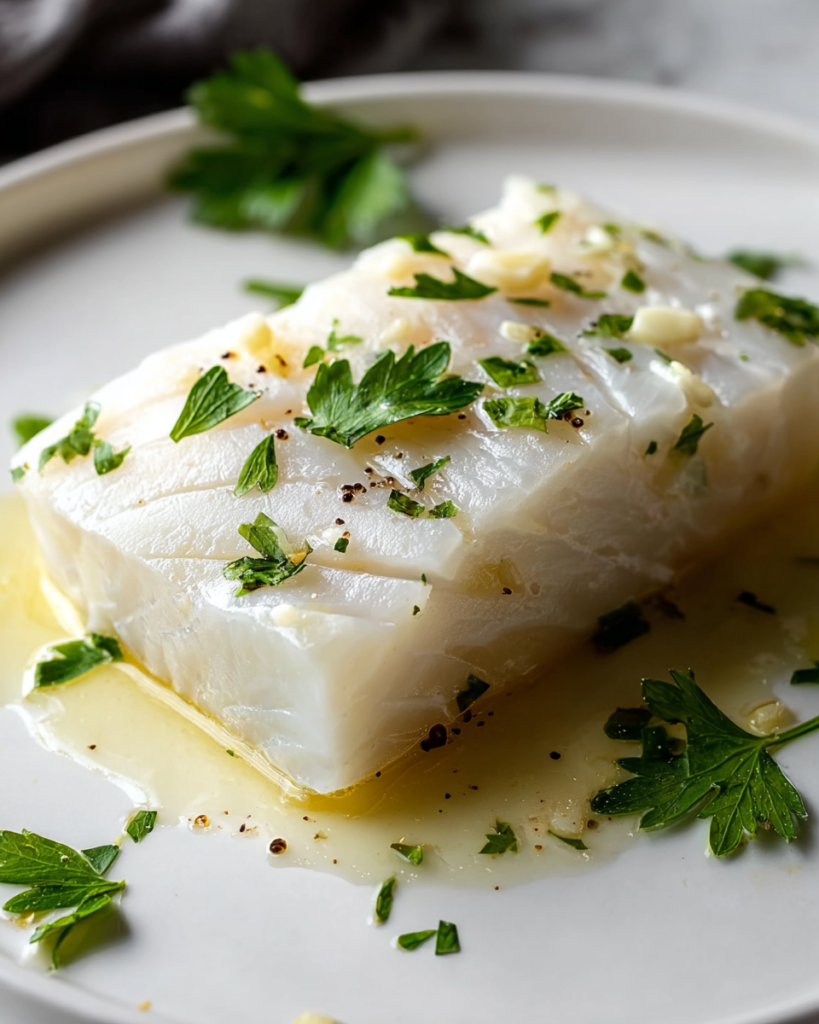
When you want fish that stays moist instead of turning dry and flaky in a bad way, this is a smart method to keep in your kitchen. The water bath does the careful cooking for you, and the final sear adds just enough color and richness.
I love this kind of dish for a calm dinner at home when you want something a little special but still practical. Most of the cook time is hands-off, which makes it much easier than many stovetop fish recipes.
The flavor combination is simple in the best sense. Butter softens the garlic, thyme adds a fresh savory note, and lemon cuts through everything right at the end so the fish tastes clean and balanced.
Because halibut is naturally lean, it really benefits from this gentle approach. Instead of gambling with a hot pan from start to finish, you get even cooking first, then a very fast sear that gives the outside a delicate golden touch without overdoing the center.
What You Need to Make This Sous Vide Halibut
- Halibut fillets bring the mild, meaty texture that makes this dish feel substantial while still cooking up delicately.
- Salt seasons the fish ahead of time and helps draw a little moisture from the surface, which improves the final sear.
- Unsalted butter melts around the fillets in the bag and later becomes the base for the quick finishing step in the skillet.
- Fresh thyme sprigs add a clean herbal aroma that suits halibut beautifully without overpowering its subtle flavor.
- Minced garlic gives the butter a savory depth and makes the finished fish smell especially inviting.
- Lemon wedges are the finishing touch that wakes up all the rich buttery notes just before serving.
How to Make This Sous Vide Halibut
STEP 1: Pat the fillets dry, season them evenly with salt, and let them rest for about 30 minutes. This short rest gives the seasoning time to work and helps prepare the surface for better browning later.
STEP 2: While the fish rests, heat your sous vide water bath to 122°F. This low temperature is what keeps the texture tender and silky rather than chalky or overcooked.
STEP 3: Place the fillets in a sealed bag with the butter, garlic, and thyme. Try to distribute the butter around the fish so it can melt and coat everything as it cooks.
STEP 4: Lower the sealed bag into the water bath and cook for 45 minutes. Since the heat stays steady and gentle, the fish cooks evenly all the way through without drying out.
STEP 5: Remove the bag, save the melted butter, and carefully lift out the fillets. Pat them dry again before searing so the outside can take on light color instead of steaming in the pan.
STEP 6: Heat a skillet over medium-high, add the reserved butter, and briefly sear the fillets for 30 to 60 seconds per batch. Spoon the hot butter over the top as they cook, then serve right away with lemon.
Perfect Pairings
A simple potato side works especially well here. Mashed potatoes, baby potatoes, or even a silky potato puree will soak up the buttery juices without stealing attention from the fish.
For something lighter, go with roasted asparagus, green beans, or sautéed spinach. Their fresh flavor and gentle bite balance the richness of the butter nicely.
If you want dinner to feel a little more complete without adding much work, serve the halibut with rice or a soft grain like couscous. Both catch the extra butter and lemon beautifully.
Can I skip the skillet sear?
Yes, you can, especially if you want the softest possible texture. That said, the quick sear adds a little color, a touch of richness, and a more finished look, so it is worth the extra minute when you can manage it.
What does halibut look like when it is done?
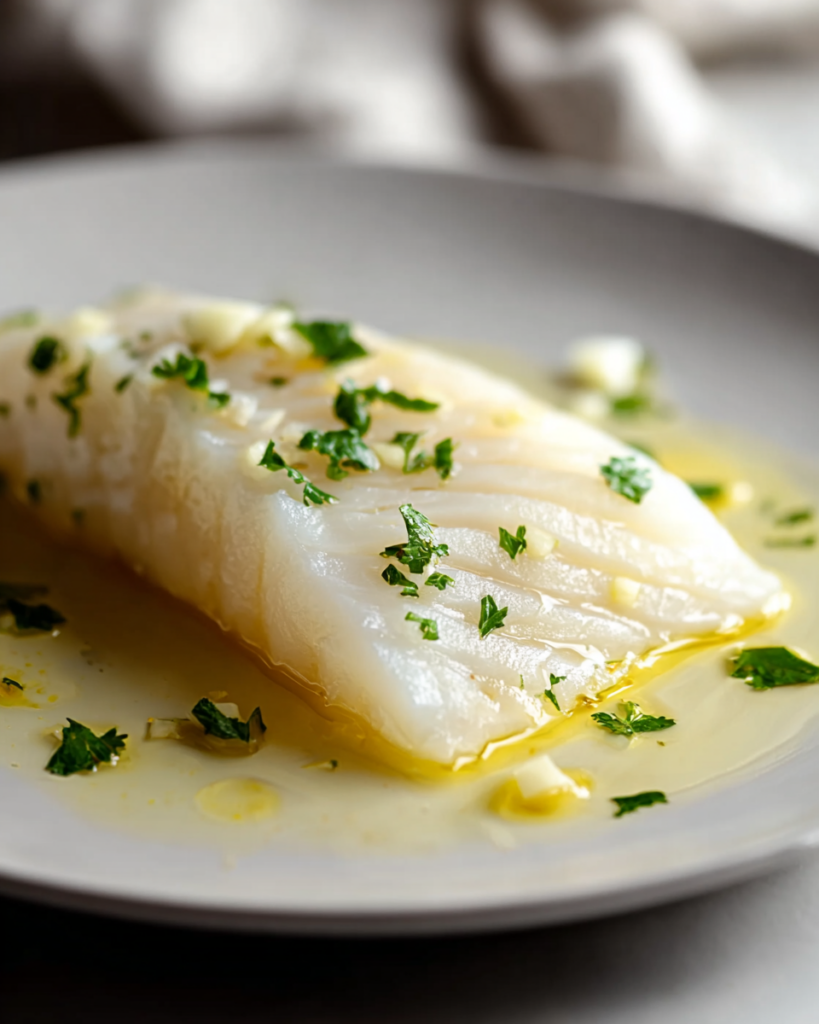
It should look opaque and feel tender, not translucent or raw in the center. Because this method cooks gently, the fish will not look aggressively browned until the final skillet step, so focus more on texture than dramatic color.
Can I use frozen halibut fillets?
Yes, as long as they are fully thawed and patted dry before seasoning. Excess moisture makes it harder to get that delicate browning in the skillet and can slightly water down the buttery garlic flavor.
Is 122°F safe for this method?
This recipe is designed for a gentle, precise cook that prioritizes tenderness. Use fresh fish, keep your bag sealed properly, and follow the timing closely so you get the intended texture and the cleanest result.
Helpful Tips
- Use fresh thyme instead of dried here. The flavor stays cleaner and more natural in the sealed cooking environment.
- Do not skip drying the fish before searing. Even a quick blot with paper towels makes a big difference in how the surface colors.
- Sear in batches if needed so the fillets have space in the skillet. Crowding the pan makes them steam instead of lightly brown.
How to Store & Reheat
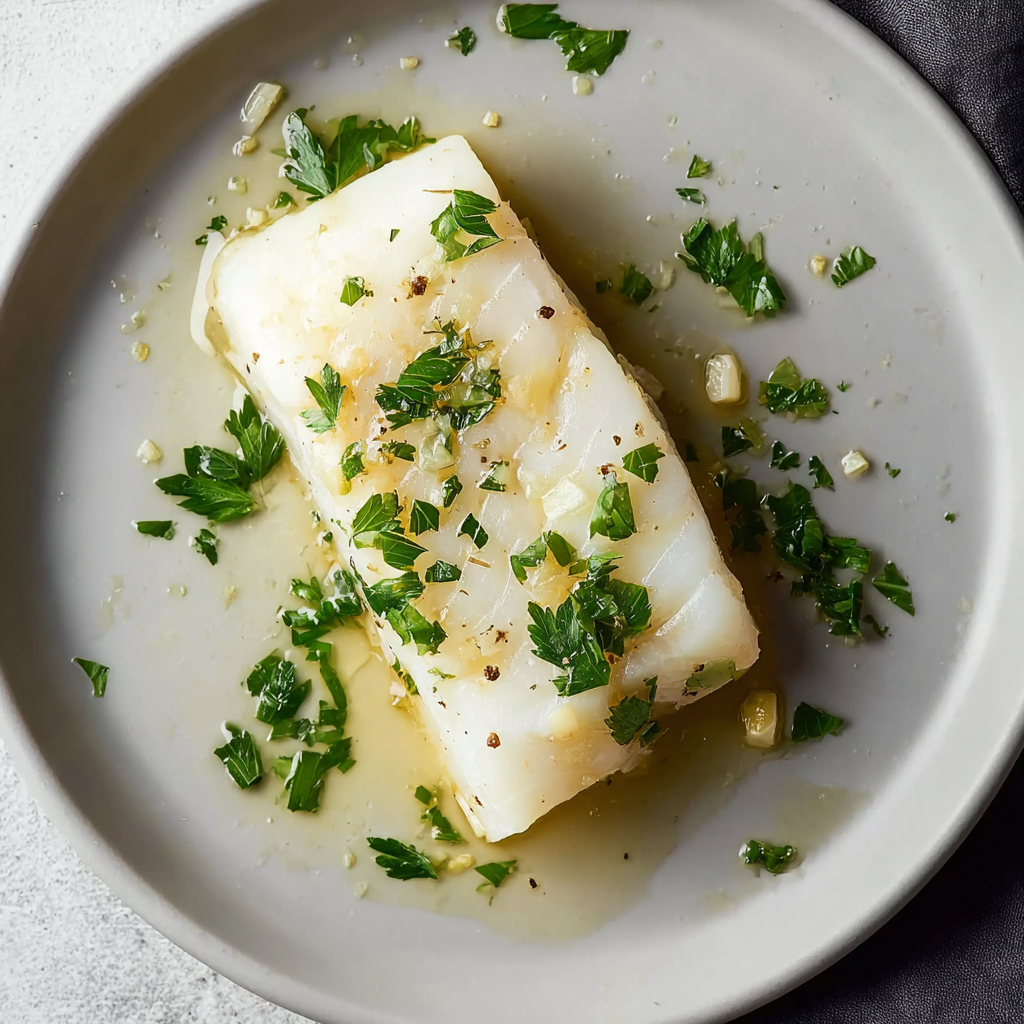
Leftover halibut is best stored in an airtight container in the refrigerator for up to 2 days. Because fish is delicate, it is better enjoyed sooner rather than later, especially after it has already been cooked and seared.
For longer storage, you can freeze it for up to 1 month, though the texture will be a little softer once thawed. Wrap it well before freezing so it stays protected from freezer burn.
To reheat, warm it very gently in a skillet over low heat with a little butter, or use a low oven just until heated through. Avoid aggressive microwaving if possible, since that can make halibut dry around the edges. A squeeze of fresh lemon at serving helps bring the flavor back to life.
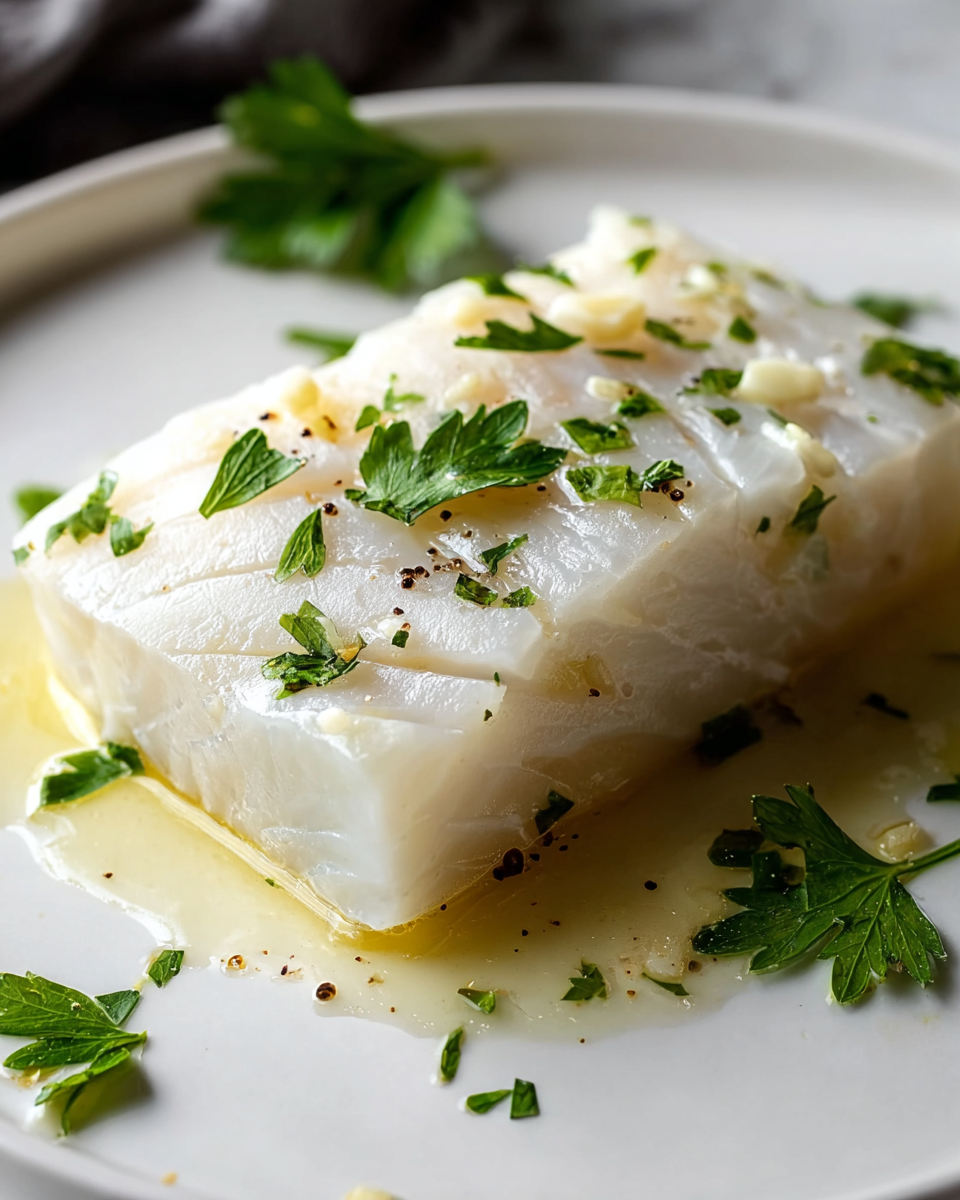
Sous Vide Halibut
Ingredients
- 8 tablespoons unsalted butter preferably Kerrygold
- 2 teaspoons salt
- 4 halibut fillets 4 to 6 ounces each, about 1 inch thick
- 2 fresh thyme sprigs
- 2 garlic cloves minced
- Lemon wedges for serving
Instructions
- Pat the halibut fillets dry if needed, then season them evenly on all sides with the salt. Let the fish rest for 30 minutes so the seasoning has time to penetrate and the surface moisture can be drawn out.
- During the resting time, preheat a sous vide water bath to 122°F (50°C). This low and steady temperature allows the halibut to cook gently and uniformly.
- Once the fillets have rested, arrange them in a vacuum-seal bag with the minced garlic, thyme sprigs, and butter, keeping the lemon aside for serving. Spread the butter throughout the bag so it can melt around the fish as it cooks. Seal the bag thoroughly so it remains airtight.
- Submerge the sealed bag in the preheated water bath and cook the halibut for 45 minutes. This gentle method helps preserve both moisture and flavor inside the bag.
- Remove the bag from the water bath and set aside the melted butter collected inside. Lift the fillets out carefully and pat them dry so they will brown properly.
- Set a skillet over medium-high heat and add the reserved butter from the bag. Place two fillets in the pan and sear them for 30 to 60 seconds, spooning the butter over the top as they cook. Repeat with the remaining two fillets.
- Serve the halibut immediately with lemon wedges, squeezing the juice over the fish just before eating for a fresh, lively contrast to the rich butter.