Traditional Greek Cookies are a classic, make-ahead cookie with a buttery bite, delicate sweetness, and bright orange-vanilla flavor. These golden Greek butter cookies stay crisp outside, tender inside, and are perfect for holidays, gifting, or keeping on hand with coffee.
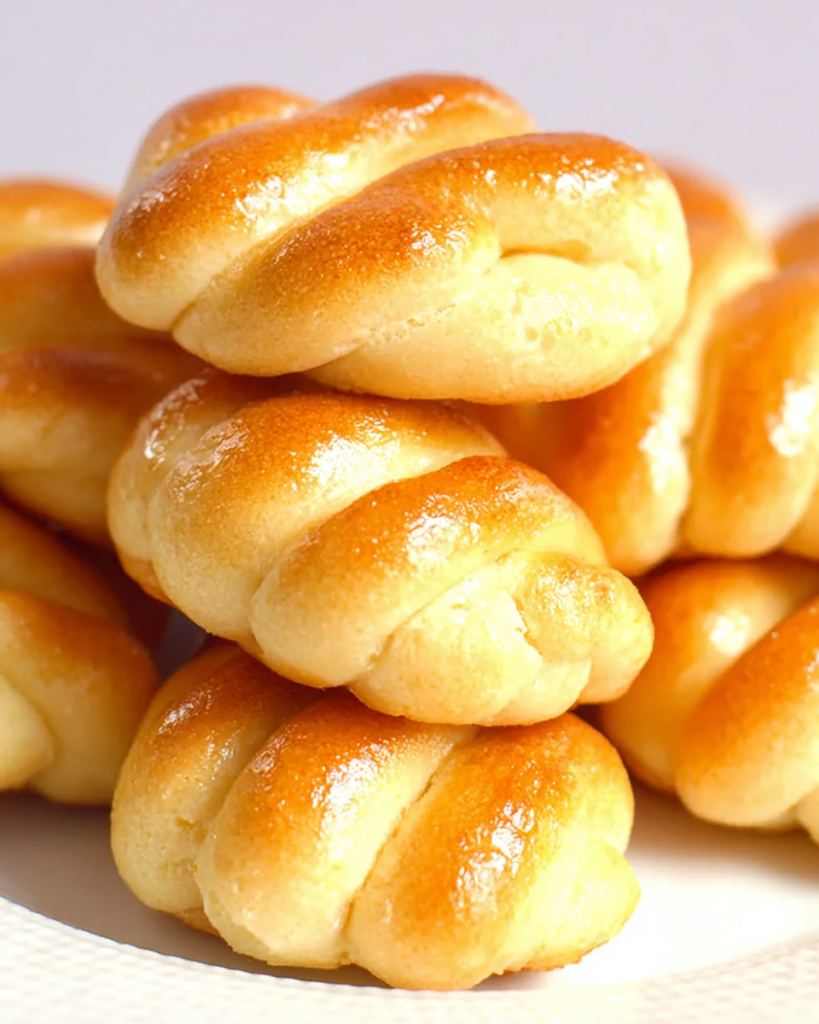
There is something especially comforting about a big batch of these traditional Greek cookies cooling on trays in your kitchen. They feel festive and familiar at the same time, which is one of the reasons they have stayed so loved for generations.
The flavor is simple in the best way. You get rich butter, a gentle sweetness, and that lovely lift from orange zest and vanilla that makes each bite smell as good as it tastes.
This dough also rewards a little patience. Once it has rested, it becomes easier to shape, and the finished cookies bake up with that signature contrast of a lightly crisp exterior and a tender center.
What You Need to Make This traditional greek cookies
Plain flour gives the dough its structure and creates the firm but tender texture these cookies are known for.
Unsalted butter is the foundation of the flavor, adding richness and helping the cookies bake up delicate rather than dense.
Granulated sugar sweetens the dough and works with the butter during mixing to create a light, airy base.
Eggs bring the dough together and help give the cookies their classic, smooth crumb.
Vanilla extract adds warmth and rounds out the buttery flavor without overpowering the citrus.
Orange zest gives these cookies their traditional fragrant note and makes the flavor feel bright and balanced.
Warm whole milk helps blend the dough smoothly and supports an even texture.
Baking ammonia is the old-fashioned leavening that gives koulourakia their distinct lightness and crisp finish when fully baked.
Egg yolks and water make a simple glaze that gives the tops a shiny, beautifully golden finish.
Step-by-Step traditional greek cookies
STEP 1: Beat the softened butter and sugar until the mixture looks very pale and fluffy. This is one of the most important parts of the whole process because it builds the light texture that keeps the cookies from feeling heavy.
STEP 2: Warm the milk just enough so it is lukewarm, then dissolve the baking ammonia in it completely. Set that aside while you continue with the dough so everything is ready to combine smoothly.
STEP 3: Mix the eggs into the butter mixture one at a time, then blend in the vanilla, orange zest, and milk mixture. At this stage, the dough base should smell sweet, citrusy, and rich.
STEP 4: Add the flour gradually until you have a soft, pliable dough that is only slightly tacky. Cover it and let it rest so it becomes easier to handle and shape without springing back too much.
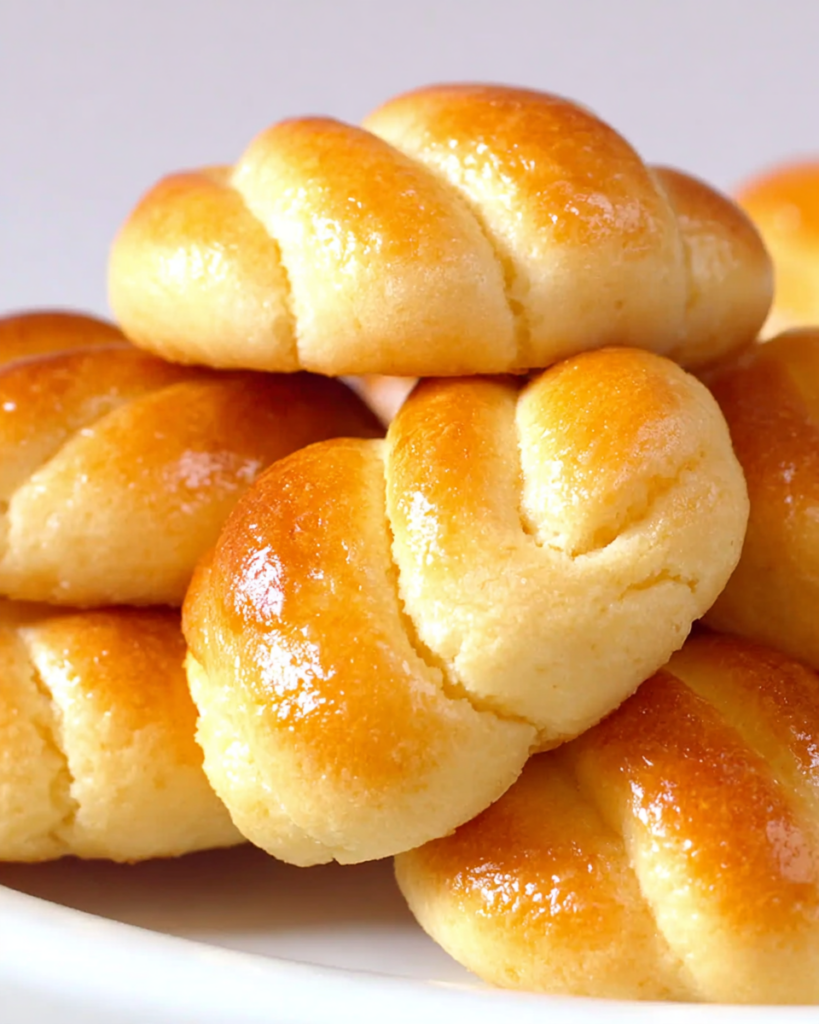
STEP 5: Shape small portions of dough into ropes, then twist or form them into classic Greek cookie shapes. Place them on lined trays with a little room between each one since they will puff and spread slightly.
STEP 6: Brush the tops with the egg yolk glaze, then bake until the cookies are evenly golden and fully cooked through. Let them cool completely before storing so they keep their crisp outer shell.
Perfect Pairings
These cookies are especially lovely with hot coffee, strong tea, or a simple glass of milk. Their light sweetness makes them ideal for serving with drinks rather than alongside very rich desserts.
They also fit beautifully onto a holiday cookie tray with spiced biscuits, shortbread, or almond cookies. Because their flavor is buttery and citrusy rather than heavy, they add balance to a dessert spread.
For a more traditional everyday serving idea, place a small plate of them on the table for guests. They are the kind of cookie that feels right both for celebrations and quiet afternoon breaks.
Helpful Tips
- Mix the butter and sugar long enough for the mixture to turn truly pale and airy, because that step has a big effect on the final texture.
- Let the dough rest before shaping so the ropes are smoother and easier to twist into neat forms.
- Bake until fully golden, not just lightly colored, so the cookies develop the right finish and the baking ammonia cooks through properly.
How to Store & Reheat
Once the cookies are completely cool, store them in an airtight container at room temperature. They keep very well, which is one of the reasons they are so practical for holidays and large-batch baking. A tightly sealed container helps preserve that crisp exterior while keeping the inside tender.
They should stay fresh for up to 3 weeks when stored properly. Choose a cool, dry spot in your kitchen rather than somewhere warm or humid.
These cookies do not usually need reheating, but if you want to freshen them slightly, you can place a few on a baking tray in a low oven for a couple of minutes. Let them cool again briefly before serving so the texture settles.
Can I make the dough ahead of time?
Yes. You can prepare the dough in advance and keep it covered in the refrigerator before shaping. Let it sit out briefly so it softens enough to roll into ropes without cracking.
Why do these cookies use baking ammonia?
Baking ammonia is traditional in koulourakia and helps create their light, crisp texture. The key is baking the cookies fully so it cooks off properly, leaving behind the classic texture rather than any lingering smell.
How do I know when they are done baking?
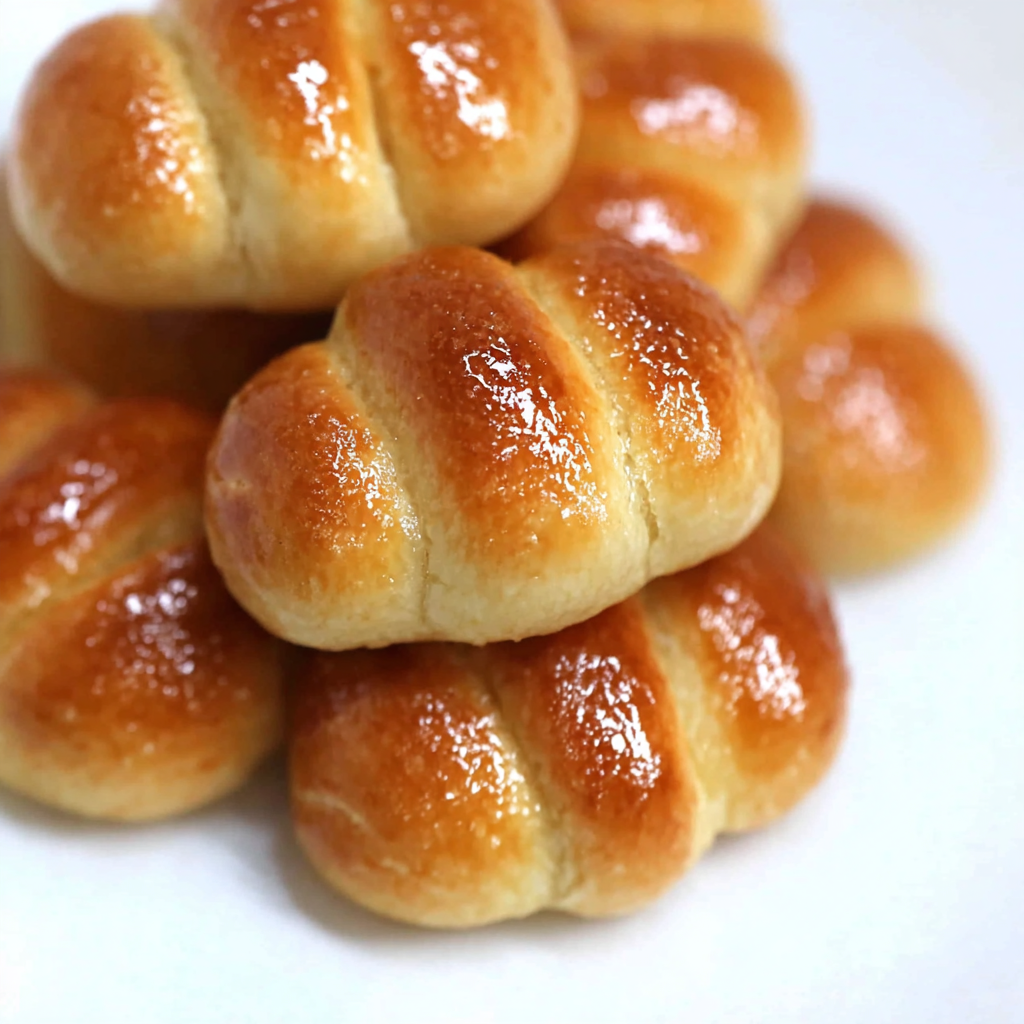
Look for an even golden color across the tops and edges rather than a pale finish. These cookies should be thoroughly baked so they have a crisp outer bite and a properly set center.
Can I shape them in different ways?
Absolutely. One of the charming things about traditional Greek cookies is the variety of shapes. Twists, braids, rings, and simple coils all work well as long as the pieces are similar in size for even baking.
Do these cookies work for holidays and gifting?
They are perfect for both. Since they keep well for weeks and hold their texture nicely, they are a smart choice for holiday platters, cookie tins, and make-ahead dessert tables.
These traditional Greek cookies are the kind of bake that never feels out of place. They are simple but special, sturdy enough to store well, and full of that buttery citrus aroma that makes homemade cookies so inviting. Whether you shape them for a celebration or just to keep a batch ready for coffee breaks, they bring a lovely sense of tradition to your kitchen.
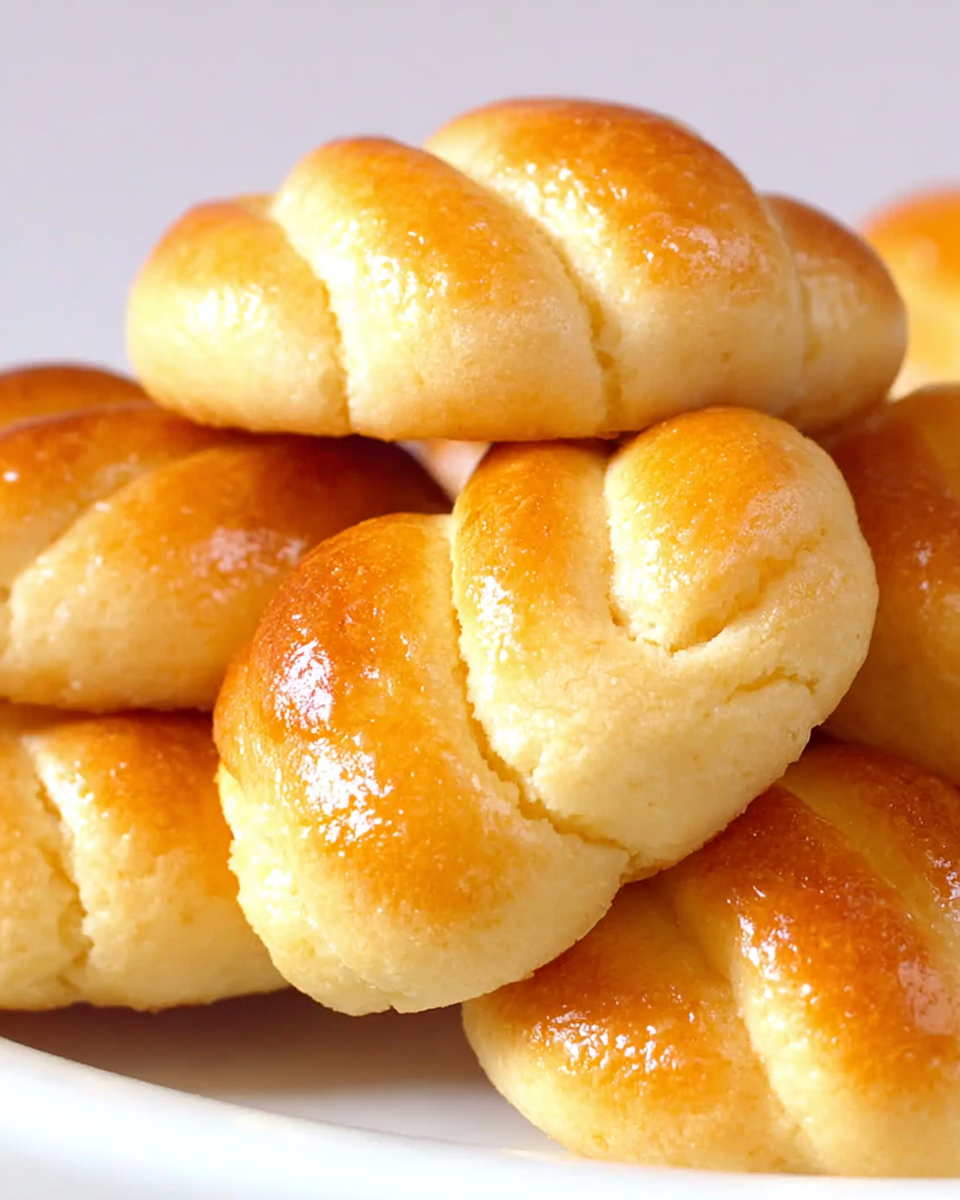
Traditional Greek Cookies
Ingredients
For the cookies:
- 35 oz plain flour
- 4 medium-sized eggs
- 8.8 oz unsalted butter softened to room temperature
- 1 1/2 cups white granulated sugar
- 1 tablespoon pure vanilla extract
- Finely grated zest of 1 orange
- 1/2 cup warm whole milk
- 2 1/2 teaspoons baking ammonia
For the glaze:
- 2 egg yolks
- 1 tablespoon water
Instructions
- Place the softened butter and sugar into the bowl of a stand mixer. Beat them together for 10 to 15 minutes, until the mixture becomes very pale, creamy, and airy. This stage is essential for achieving the proper texture.
- Warm the milk gently until lukewarm, then remove it from the heat. Add the baking ammonia and whisk until it has completely dissolved. Set the mixture aside.
- Add the eggs to the butter mixture one at a time, mixing well after each addition so that every egg is fully incorporated before the next is added.
- Pour in the vanilla extract, the orange zest, and the milk mixture containing the dissolved ammonia. Mix until evenly combined.
- Gradually incorporate the flour, mixing continuously, until a soft dough forms. The dough should be pliable and only slightly tacky. Cover it with plastic wrap and allow it to rest for 30 minutes.
- Preheat the oven to 200°C (400°F) with the fan setting on. Line large baking trays with parchment paper.
- Transfer the rested dough to a clean work surface. Pinch off small portions and roll each piece into a long rope. Twist or shape the dough into the traditional cookie forms of your choice.
- Arrange the shaped cookies on the prepared trays, leaving space between them because they will spread slightly as they bake.
- In a small bowl, whisk together the egg yolks and 1 tablespoon of water. Brush the tops of the cookies with this glaze.
- Bake for 15 to 20 minutes, or until the cookies are thoroughly baked and evenly golden on the outside.
- Remove the trays from the oven and let the cookies cool completely on a wire rack before storing.